


Drought Forces Panama Canal to Reduce Daily Ship Traffic Amid Severe El Niño
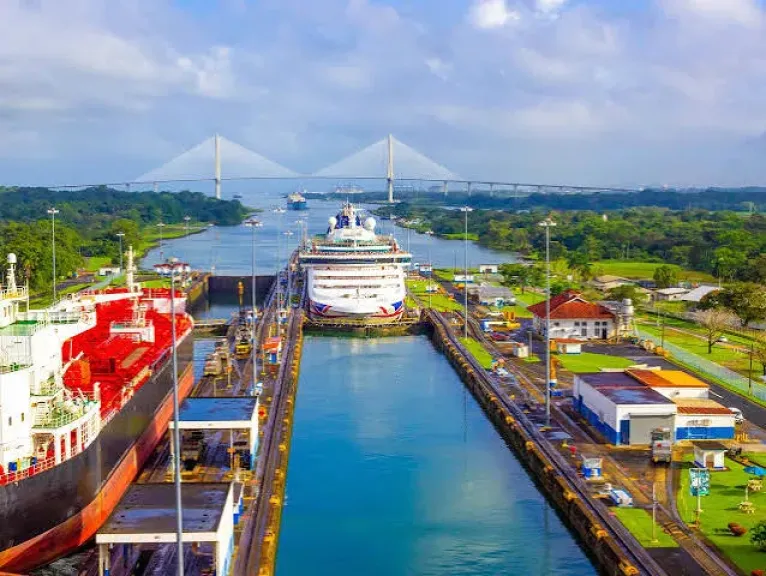
The Panama Canal began reducing the number of transiting vessels on Friday due to a significant drop in rainfall driven by the El Niño climate phenomenon. The Panama Canal Authority announced that depleting water levels in two artificial lakes feeding the waterway forced the implementation of this measure.
Daily ship transits through the critical corridor, which connects the Atlantic and Pacific oceans, will be gradually scaled back from 36 to 32 vessels by mid-September. In response to the severe conditions, Panama has declared a nationwide state of emergency.
El Niño is a naturally occurring climate pattern that emerges every two to seven years, characterized by unusually warm surface waters in the central and eastern tropical Pacific Ocean. Over a period of several months, this phenomenon triggers fundamental, global shifts in wind patterns, atmospheric pressure, and precipitation.
Most forecasts suggest that this year's El Niño could be the most severe since comparable record-keeping began four decades ago. Although the weather pattern has yet to reach its peak, Central America is already grappling with a worsening drought, prompting neighboring Honduras and El Salvador to also issue states of alert.