ICT Minister Attends ECPC 2026 Closing Ceremony in Alexandria
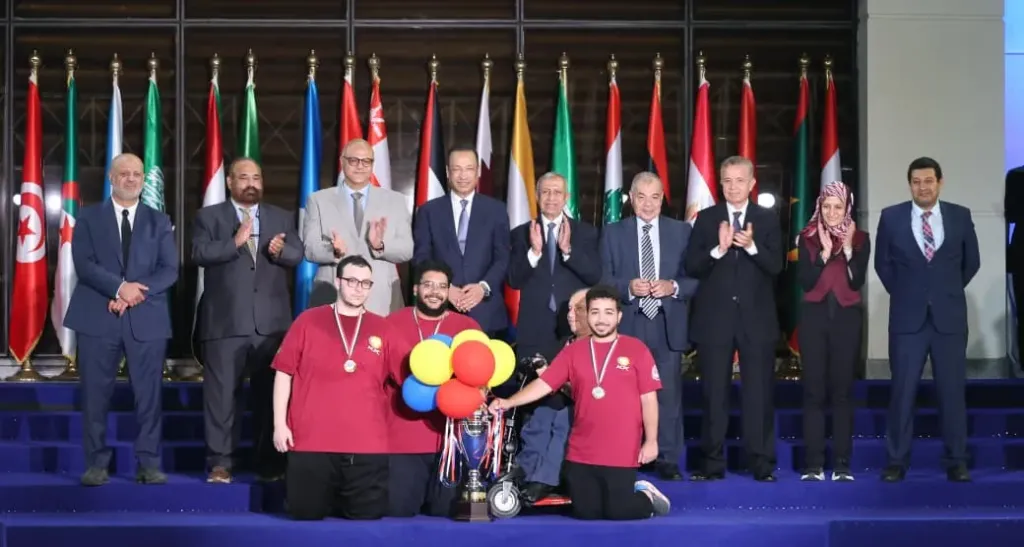
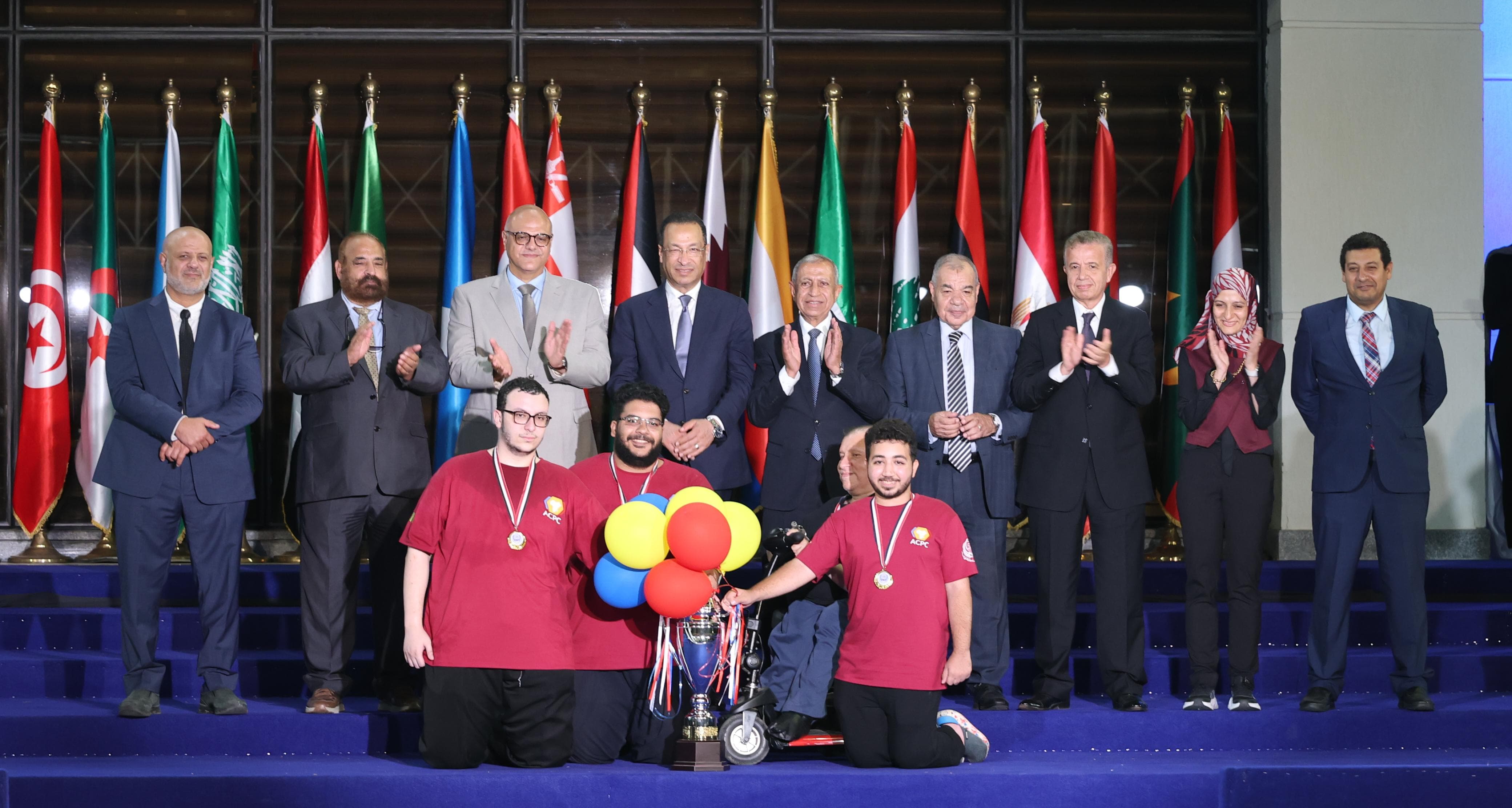
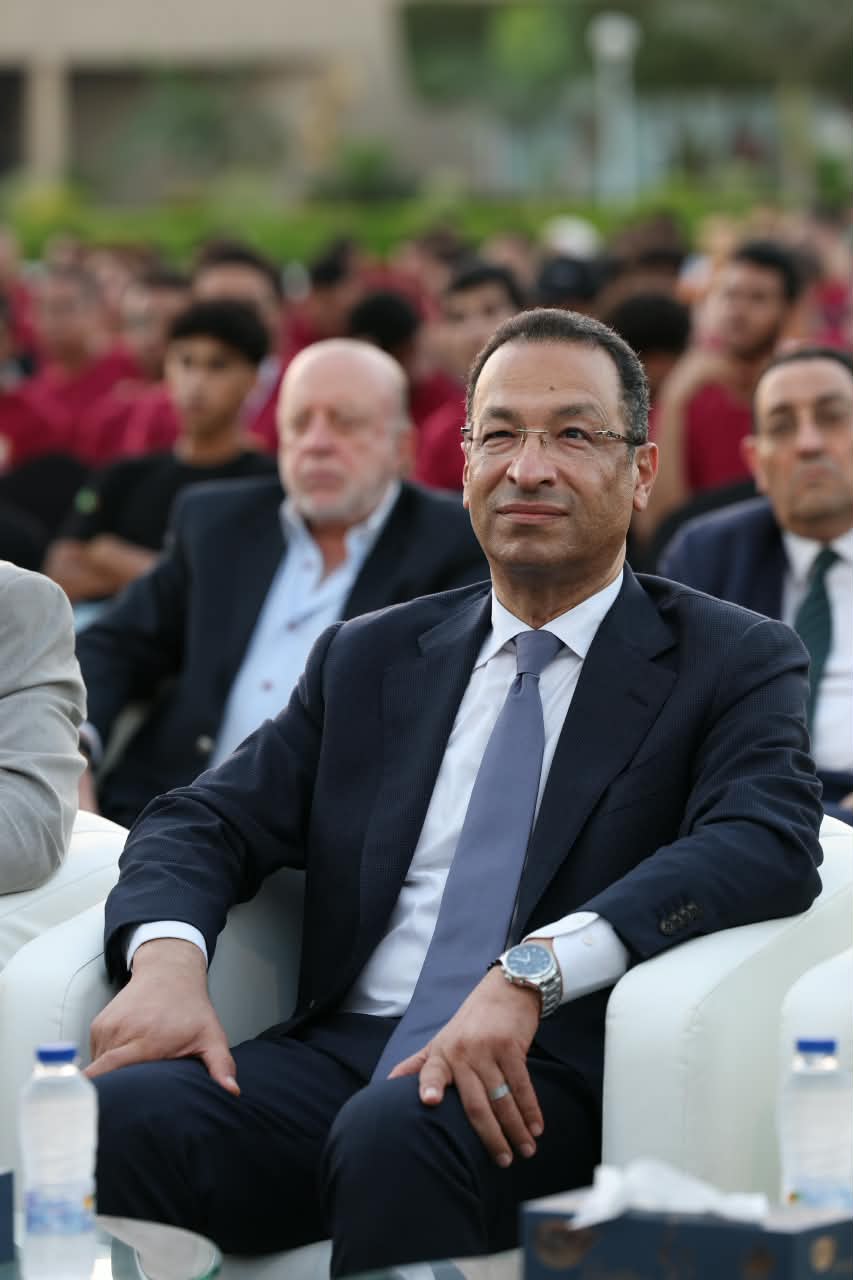
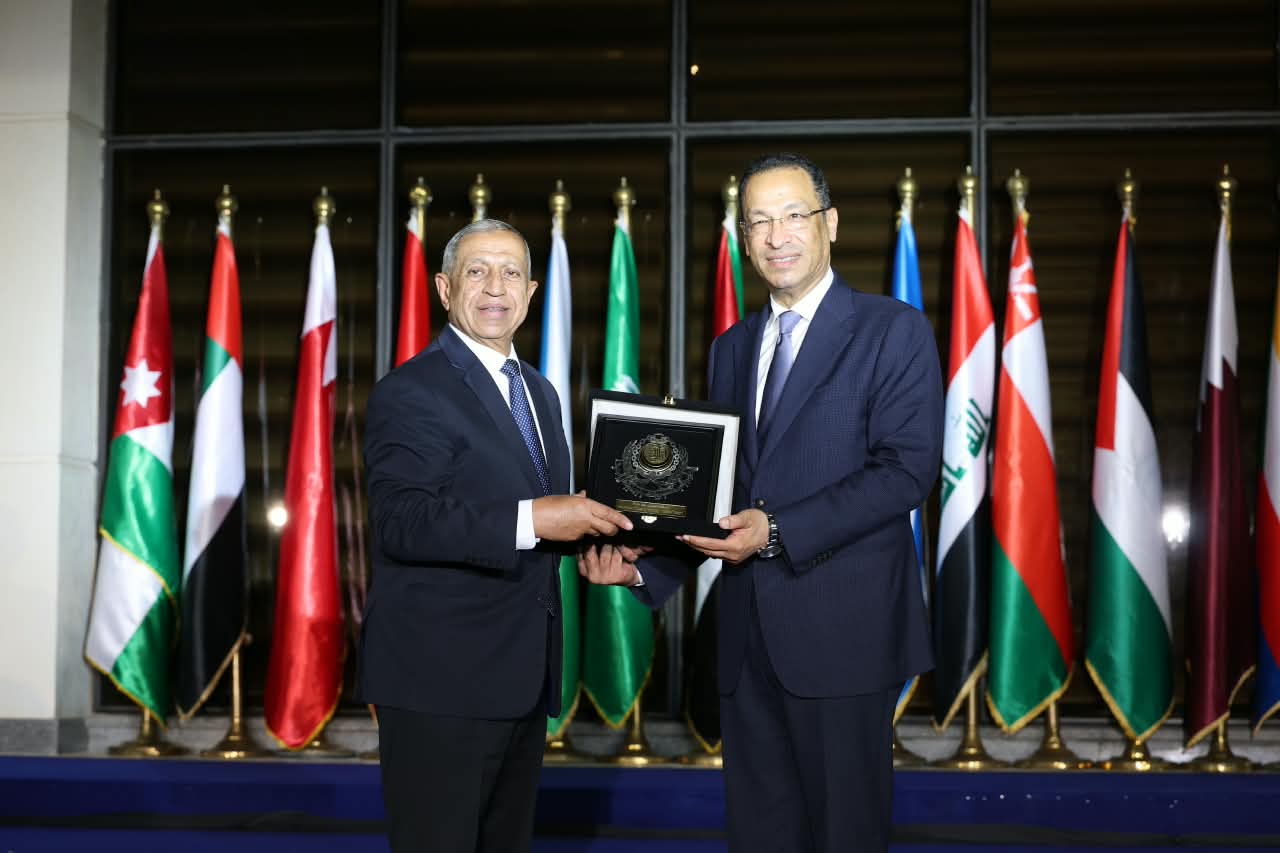
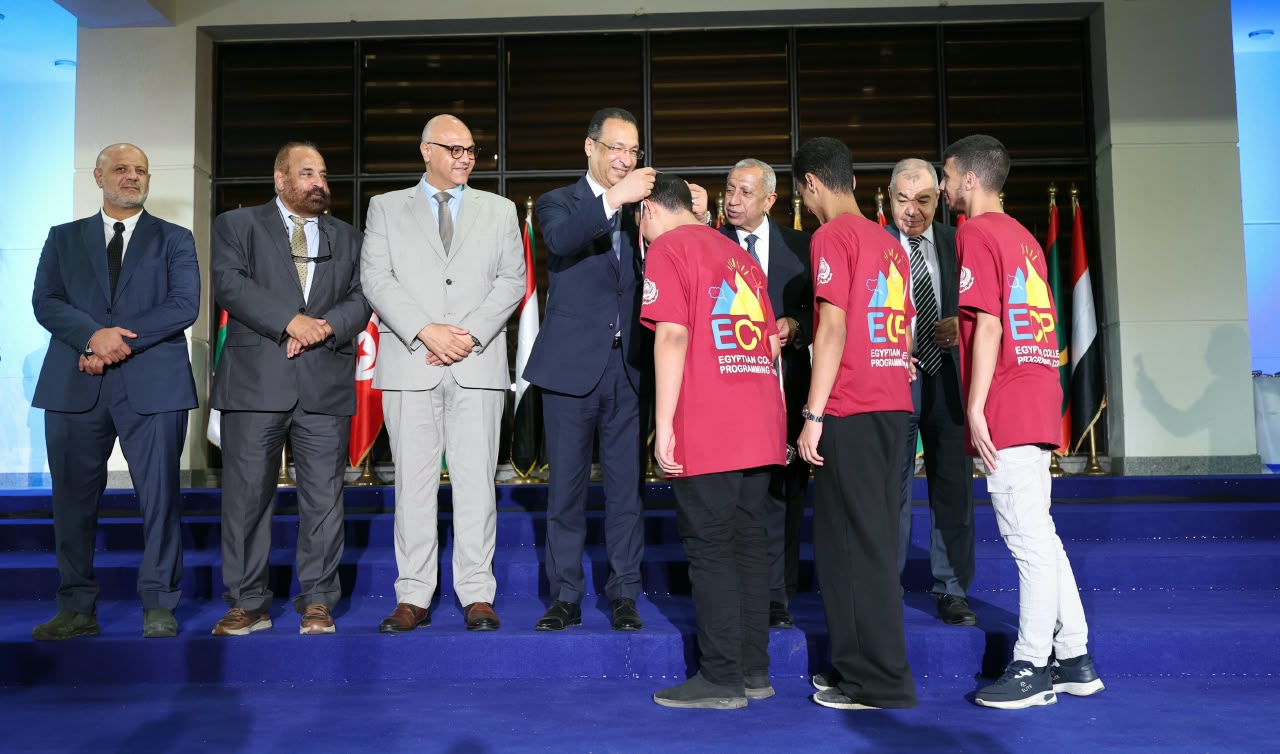
Minister of Communications and Information Technology Raafat Hendy, Governor of Alexandria Ayman Ateyya, and President of the Arab Academy for Science, Technology and Maritime Transport (AASTMT) Ismail Abdel Ghafar have attended the closing ceremony of the 25th edition of the Egyptian Collegiate Programming Contest (ECPC 2026), hosted by AASTMT at its main campus in Abu Qir, Alexandria. The contest brought together around 8,000 students from 86 universities and institutes.
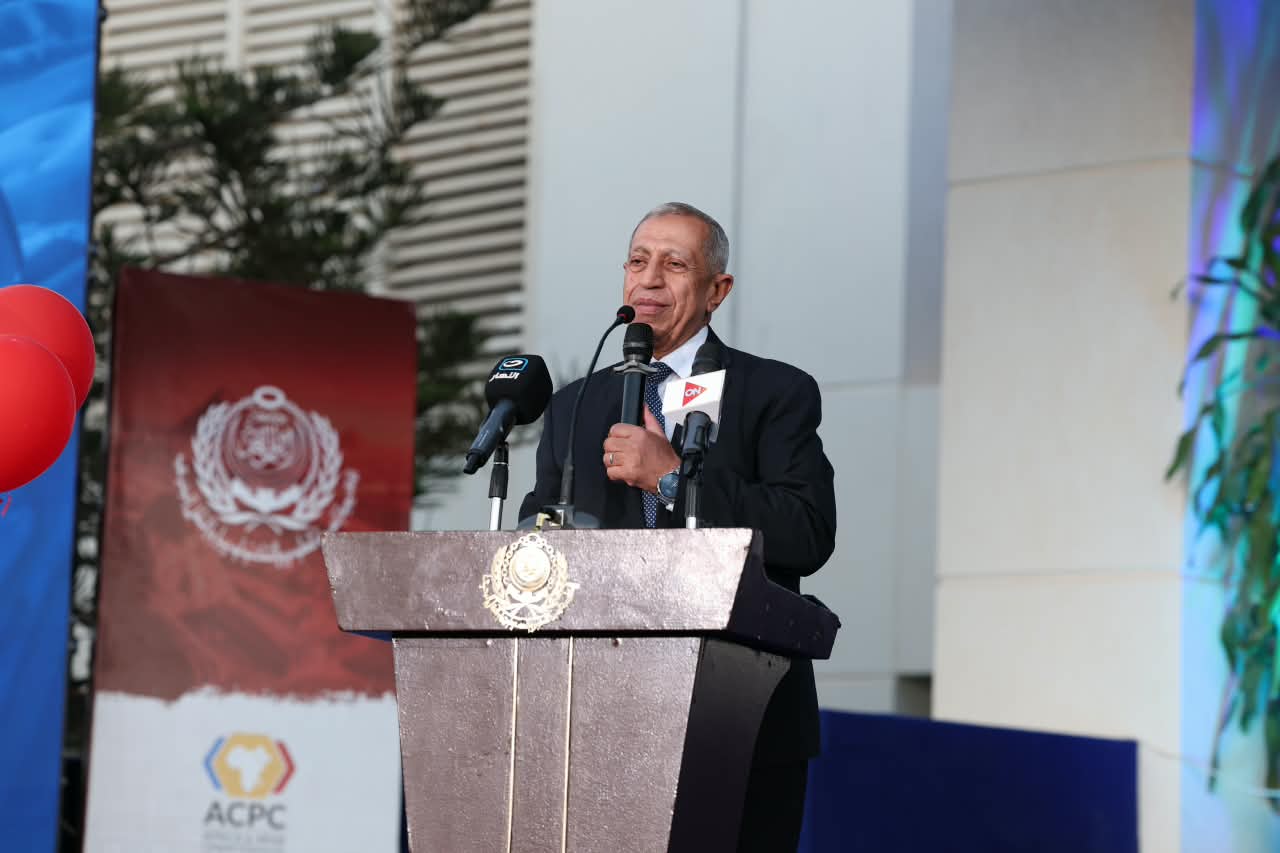
In his remarks, the ICT Minister explained that over the past 25 years, ECPC has played a key role in identifying talent, developing skills, and preparing generations of programmers, who have contributed to strengthening Egypt’s position in the global technology landscape. He noted that the competition goes beyond testing participants’ ability to solve a set of programming problems; it also assesses their ability to think, work as a team, divide responsibilities, manage differences, and make decisions under time pressure.
Hendy highlighted that Egypt has emerged as a prominent regional and international hub for outsourcing and digital services exports, driven by its skilled young workforce, strategic location, and linguistic and cultural diversity, which enable young Egyptians to serve markets worldwide. He added that over the coming years, the Ministry of Communications and Information Technology (MCIT) aims not only to expand the outsourcing industry, but also to advance Egypt’s position in the global value chain, particularly in light of the rapid development of AI and its impact on employment.
MCIT seeks to strengthen Egypt’s regional and global standing in the development of AI solutions and empower young people and startups to develop globally competitive Egyptian technologies and intellectual property, the ICT Minister noted. He further stated that Egyptian engineers and researchers at MCIT’s Applied Innovation Center (AIC) have developed Karnak, the first national Arabic large language model (LLM). Based on results from international language-model evaluation platforms, Karnak ranked first among Arabic LLMs in the 30–40 billion parameter category.
Hendy said that the developers of Karnak are Egyptian engineers and researchers who, like these students, began their careers by learning algorithms, experimenting, making mistakes, and trying again until they succeeded in developing Egyptian technology capable of understanding the Arabic language, its cultural context, and the needs of Egyptian society. He noted that Karnak is more than a research achievement, it also lays the foundation for practical applications in fields such as education, legal guidance, government services, translation, language learning, and other areas tailored to the needs of Egyptian and Arab communities.
For his part, Ateyya stressed that ECPC brings together some of Egypt’s brightest minds from universities nationwide, fostering a spirit of collaboration, healthy competition, and scientific progress. He added that the participation of around 8,000 students from 86 universities and institutes reflects the strong skills of Egyptian youth in programming, problem-solving, and algorithms, while underscoring their ambition to compete on the international stage.
The Governor of Alexandria also emphasized that prioritizing programming sciences and modern technologies reflects the insightful vision of the political leadership and the directives of President Abdel Fattah El-Sisi, who places digital transformation and human capacity building at the forefront of the government’s priorities, considering youth the cornerstone of the new republic and the leaders of the future.
Abdel Ghafar, for his part, underscored that over the past 25 years, ECPC has served as the official national gateway for discovering and nurturing Egypt’s programming talent and preparing them to advance from local contest to the Arab and African arenas, and onto the World Finals of the International Collegiate Programming Contest (ICPC). The contest extends beyond a competition to become a national ecosystem designed to shape the future — an ecosystem that began with an idea and evolved into a cohesive pathway for spotting and cultivating Egyptian talent, ultimately enabling them to compete on the world’s largest programming platforms.
He highlighted that the collegiate programming contest has become the world’s most prestigious and largest competition in computer science, programming, and applied mathematics. With more than 60,000 students representing 3,000 universities across more 110 countries worldwide each year, ICPC has evolved into what resembles the Olympiad of competitive programming and the World Cup of technological talent. He pointed out that the true rivalry is now between the brains driving the technology rather than between hardware or software.
Abdel Ghafar expressed the Academy’s pride in leading and organizing this ecosystem at the Arab and African levels through the Regional Informatics Center (RIC).
The closing ceremony was attended by former Minister of Education and Advisor to AASTMT President Yousry El-Gamal, Advisor to AASTMT President on Informatics Ossama Ismail, Executive Director of the Arab and Africa Collegiate Programming Championship (ACPC) and Director of Logistical Operations at the ICPC World Finals Mohamed Fouad, and Dean of RIC Ahmed Shenawy.
It is worth noting that ECPC stands as the official and exclusive qualifier for Egyptian champions to advance to ACPC and onward to the ICPC World Finals. Celebrating its Silver Jubilee, this 25th edition marked a milestone event, having drawn wide participation from over 120 educational institutions over the past quarter-century.
This contest form part of ICPC where over 60,000 students representing more than 3,000 universities across 110+ countries compete annually. It runs alongside ACPC, launched in 1997 and encompassing more than 24 countries. AASTMT organizes and leads the regional contest through its RIC.