Ministers of ICT, Higher Education Attend Closing Ceremony of ”AI Empower Egypt” 4th Round
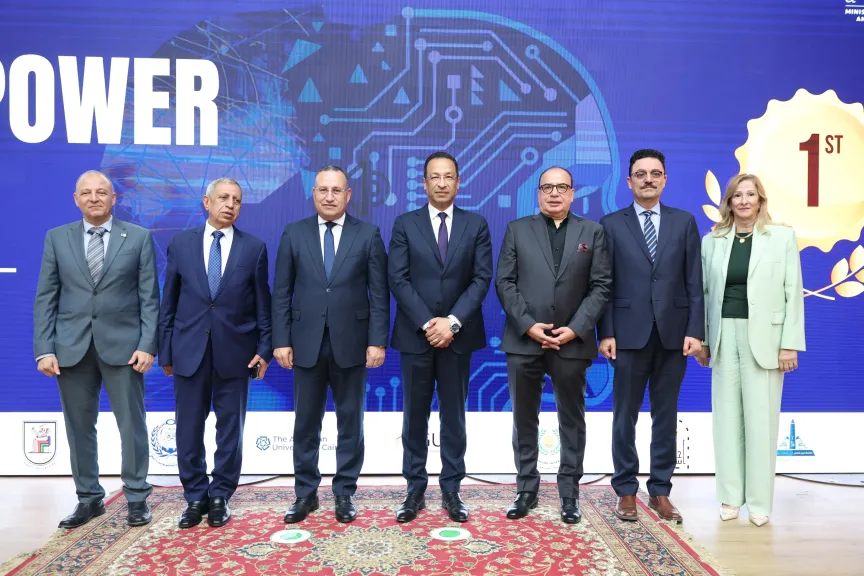
Minister of Communications and Information Technology Raafat Hendy and Minister of Higher Education and Scientific Research Abdelaziz Konsowa have attended the closing ceremony of the fourth round of AI Empower Egypt, at Creativa Innovation Hub in Giza.
The initiative was launched by the Ministry of Communications and Information Technology (MCIT) in collaboration with Dell Technologies to build knowledge, develop skills, and foster innovation in the field of artificial intelligence (AI).
During its fourth round, the initiative provided specialized AI training to 1,090 students representing 10 public, private, and national universities: Cairo University, Ain Shams University, The American University in Cairo (AUC), the German University in Cairo (GUC), the Arab Academy for Science, Technology and Maritime Transport (AASTMT), Egypt–Japan University of Science and Technology (E-Just), Assiut University, Mansoura University, Alexandria University, and Egypt University of Informatics (EUI).
Participants delivered 445 projects focused on creating innovative technology-driven solutions across five key areas: smart agriculture, smart mobility, smart government, digital healthcare, and the smart economy.
The initiative also featured Hack for Impact, an AI hackathon focused on developing smart solutions for the new and renewable energy sector. The hackathon brought together 105 students representing 21 teams from 10 universities, with 10 teams advancing to the final round.
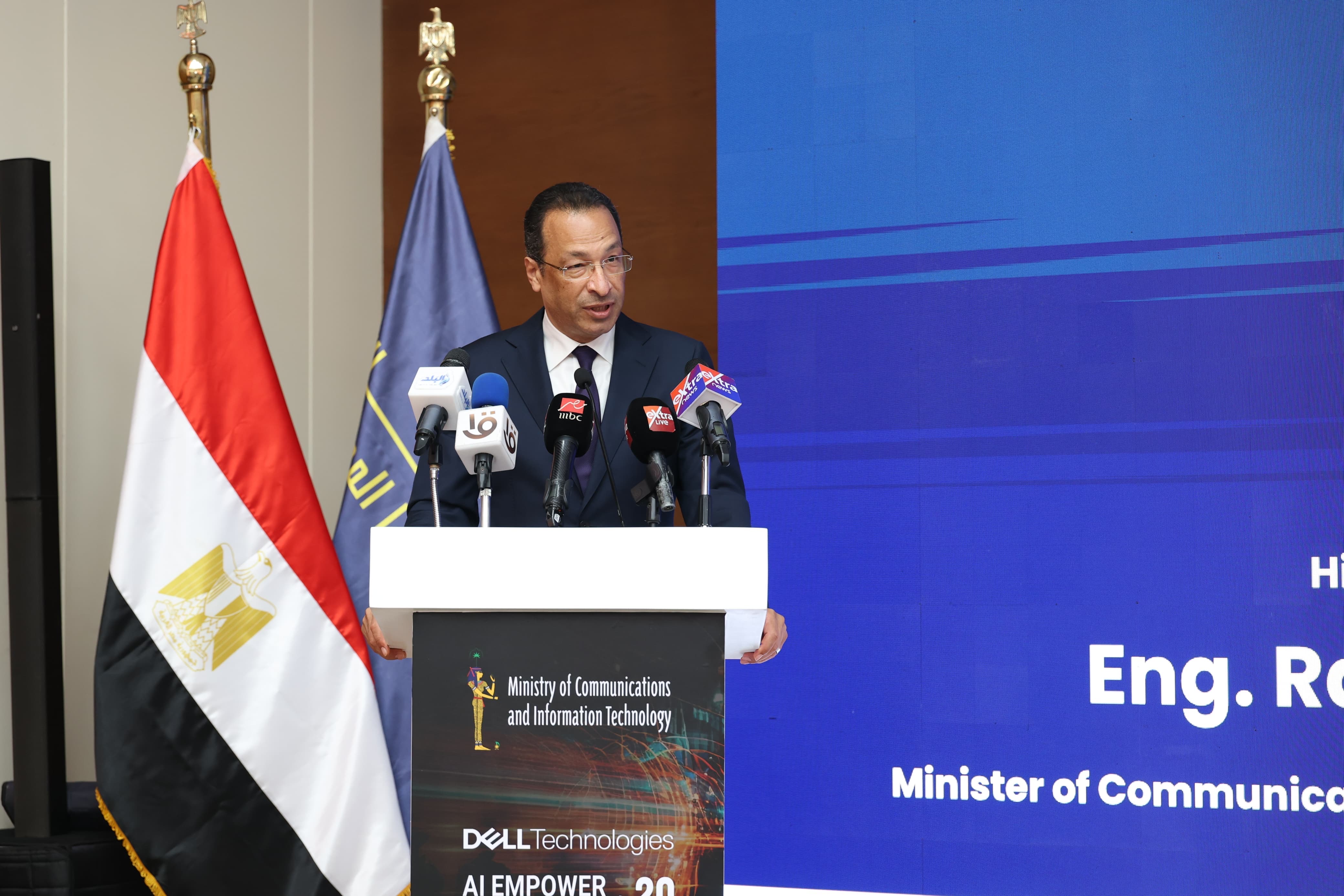
In his remarks, the ICT Minister highlighted that the expansion of the AI Empower Egypt initiative since its launch, along with the growing number of participating universities, reflects the success of a model built on partnership among the government, universities, and the private sector. He explained that the initiative connects academic knowledge with workforce requirements and practical applications. He further stressed that excellence in AI lies in harnessing AI technologies to understand challenges, develop practical solutions, and assess their impact on people’s lives, institutional efficiency, and economic growth.
Hendy emphasized that this approach aligns with MCIT’s objectives under the National AI Strategy and the efforts of the Applied Innovation Center (AIC), which focuses on turning research and development (R&D) into applications and solutions that serve government sectors and society. He highlighted AIC’s efforts in developing “Karnak,” an Arabic LLM, along with AI applications in areas such as early disease detection, agriculture, education, and other priority fields. He stressed that the goal of these efforts is not only to develop advanced technological models, but also to build Egyptian capabilities that can create solutions tailored to our language, culture, needs, and national priorities.
The ICT Minister explained that selecting the new and renewable energy challenge as the hackathon’s focus was driven by its significance as a national priority, its potential to create promising career opportunities for participants, and its ability to generate meaningful social impact. He emphasized the need to develop smart solutions that can forecast energy production and demand, optimize grid management, promote efficient consumption, reduce losses, and improve resource utilization. He stressed that the next step is to establish a clear pathway for promising projects by connecting them with mentorship and incubation programs, as well as with entities capable of testing and adopting them, helping transform these ideas into products, startups, or deployable solutions.
Hendy called on all participants to continue developing their projects, reaffirming MCIT’s commitment to providing the mentorship and support needed to help turn their ideas into impactful ventures.
For his part, Konsowa expressed his pleasure at participating in the event, commending the collaboration with Dell Technologies, one of the world's leading IT companies. He also praised students from universities and institutes across Egypt for developing numerous innovative applied projects that offer promising technological solutions to real-world challenges, demonstrating the creativity and potential of young Egyptians to lead the country's digital future.
Konsowa reaffirmed the Ministry’s commitment to advancing digital transformation across the higher education and scientific research system. He added that the transition to smart universities is a top priority for the Ministry of Higher Education, given the rapid pace of advances in AI and digital technologies worldwide and the new requirements these developments place on higher education institutions and their graduates.
Konsowa further underscored the importance of establishing technology parks within universities, as hubs for translating research outcomes and innovative ideas into industrial and economic ventures. This can be achieved through startup support, technology transfer and local development, and stronger industry partnerships.
He also emphasized the importance of leveraging AI applications to support the transformation of Egyptian universities into smart institutions and harnessing AI capabilities to enhance education and support university services. He pointed to the need to strengthen links between academia and industry, bridge the gap between educational outcomes and labor market needs, and promote applied scientific research.
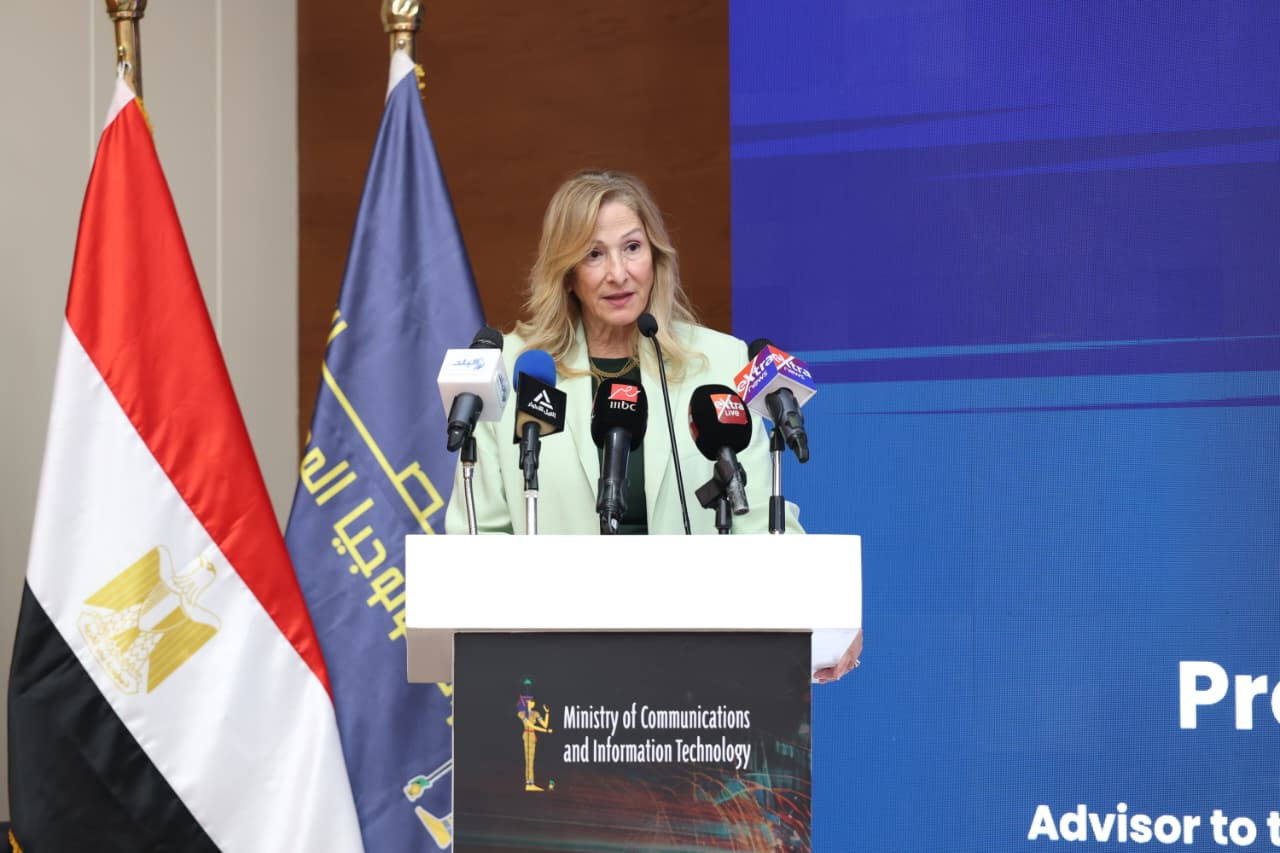
For her part, Advisor to the ICT Minister for Technology Talent Development Hoda Baraka emphasized that AI Empower Egypt has become a pioneering model of effective partnership between MCIT, Egyptian universities, and the private sector to cultivate a new generation of talent capable of leading the future of AI in Egypt. She noted that the initiative is implemented within the framework of the National AI Strategy (2025-2030), which prioritizes capacity building and national talent development, reflecting the government’s belief that human capital is the cornerstone of innovation and that investing in youth represents the most sustainable investment.
Furthermore, Senior Vice President for Central Eastern Europe, Middle East, Turkey and Africa (CEEMETA) at Dell Technologies Mohammed Amin underscored that as AI transitions from experimentation to real-world implementation, talent has become the most critical factor in driving innovation. He added that the company is celebrating students who leveraged advanced AI skills to address challenges across Egypt's most vital sectors.
Through its collaboration with MCIT, Amin stated, Dell Technologies is committed to preparing the next generation of AI leaders by equipping them with the skills and expertise needed to advance Egypt’s digital transformation and contribute to long-term sustainable economic growth.
For his part, General Manager of Dell Technologies’ Center of Excellence Sameh Mahboub explained that the company firmly believes AI is among the most impactful and transformative technologies today. As a technology leader, Dell has a responsibility to empower the next generation of innovators by providing them with the skills, tools, and opportunities needed to thrive in an AI-driven future, he underlined.
Mahboub also expressed the company’s immense pride in its ongoing partnership with MCIT, established through this prestigious collaboration since its launch in 2022. He highlighted that the partnership extends far beyond merely launching a competition to serve as a celebration of innovation, collaboration, and the tremendous transformative power of AI in shaping the future.
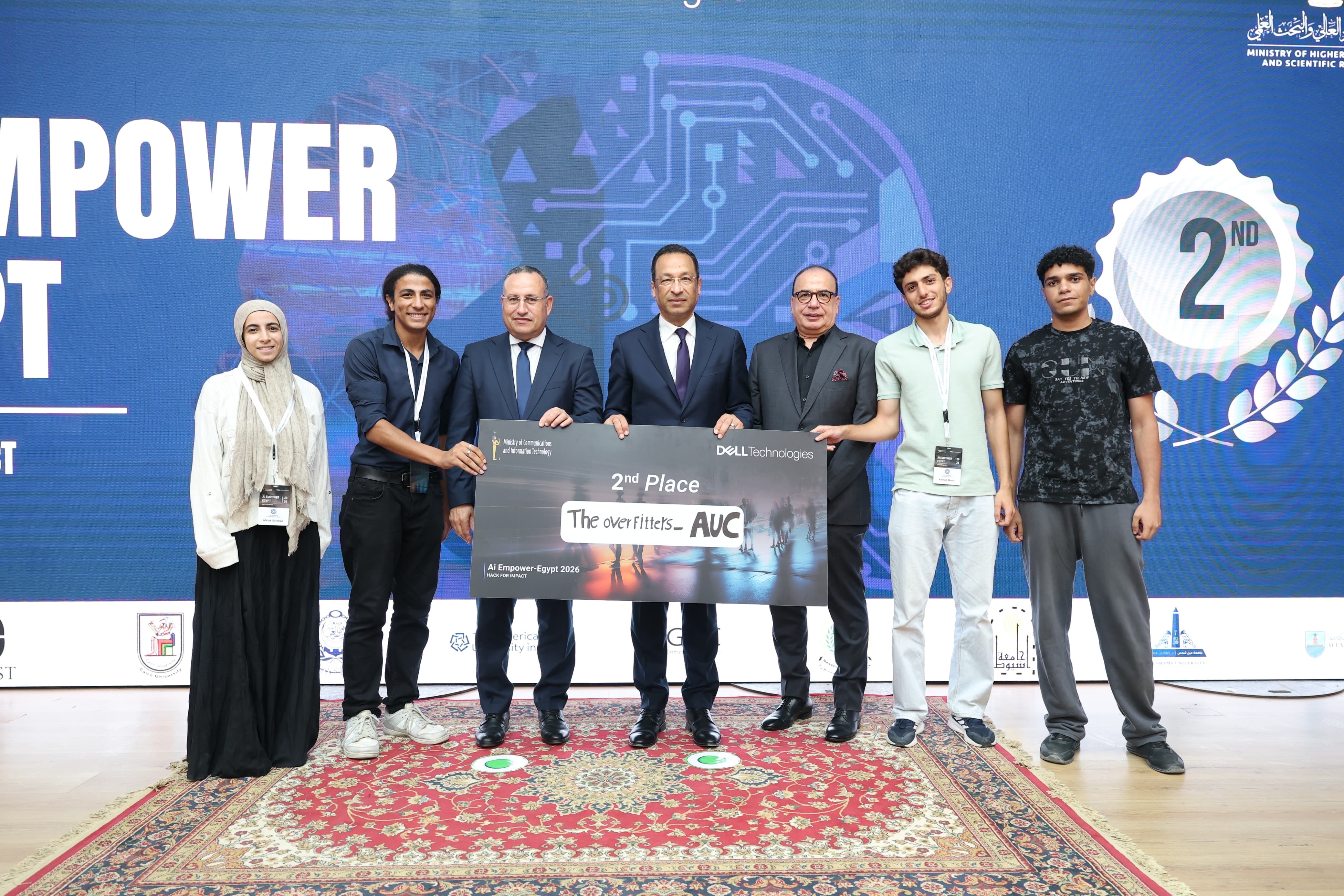
During the ceremony, Hendy, Konsowa, and Amin honored the three winning teams of the hackathon. Team Hacktastic from Ain Shams University won first place, while The Overfitters from AUC secured second place, and NBAA from the Faculty of Computing and Information Sciences at EUI claimed third place.
It is worth noting that AI Empower Egypt is implemented under an agreement between MCIT and Dell Technologies to train the most creative undergraduates in AI and equip them with the necessary technical and practical skills to meet labor market demands, helping enrich the ICT sector with qualified talent. The initiative also contributes to strengthening collaboration between the public sector, academia, and industry.
Since its inception, the initiative has built the AI capacities of 2,710 students, who have developed 763 AI-powered projects.
This year, a trilateral agreement was signed by MCIT, Dell Technologies, and AstraZeneca Egypt, focusing on leveraging AI applications across the healthcare sector. Under the agreement, AstraZeneca Egypt provides mentoring and guidance to students, organizes expert-led workshops, and supervises student projects addressing digital healthcare challenges. It has also made healthcare datasets available to help students develop their projects using real-world data.
The closing ceremony was attended by Vice ICT Minister for Institutional Development Ghada Labib, Assistant Minister of Higher Education and Scientific Research for Smart Governance Sherif Kishk, Director of the National Telecommunication Institute (NTI) Ahmed Khattab, Chairman of the National Academy of Information Technology for Persons with Disabilities (NAID) AbdEl-Monem El-Sharkawy, President of the Arab Academy for Science, Technology, and Maritime Transport (AASTMT) Ismail Abdel Ghaffar, President of E-JUST Ahmed Elsabbagh, Dean of the School of Science and Engineering at AUC Lotfi Gaafar, and representatives of the New and Renewable Energy Authority (NREA) Madiha Mohamed Abdel Azim and Ehab Mohamed Farouk.