


Google Explores Upcycling Legacy Smartphones into Low-Cost Computing Units for Cloud and AI Workloads
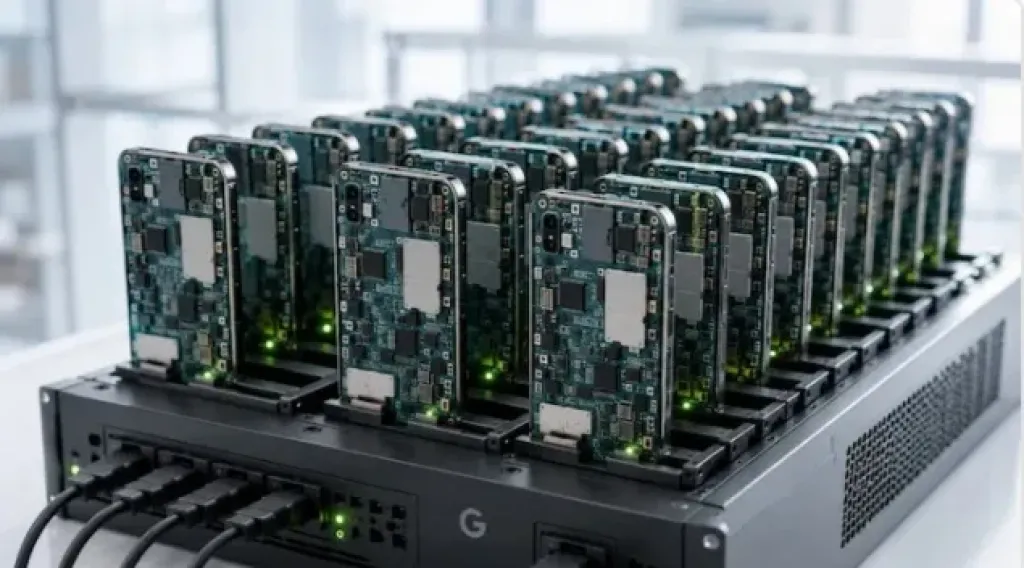
In a move that could reshape the future of sustainable data centers, Google is exploring an innovative application for legacy smartphones by converting them into low-cost computing nodes. These repurposed devices can be deployed to run Artificial Intelligence (AI) applications and cloud-based services.
The project aligns with an accelerating trend within the technology sector to discover solutions that mitigate energy consumption and electronic waste (e-waste) generated by disposing of millions of devices annually. This initiative coincides with a massive surge in demand for the raw computational power required to train and operate advanced AI models.
Collaborating with researchers from the University of California, San Diego (UCSD), Google is developing a framework centered on upcycling utilized smartphones rather than traditional recycling or disposal. The model harnesses the functional processors, memory, and storage components remaining inside these devices, networking them together to form an integrated, distributed computing ecosystem.
According to the research team, approximately 2,000 legacy smartphones can be clustered to build a micro-data center. This setup is capable of executing diverse computational tasks at a fraction of the cost of conventional data centers, unlocking value from hardware components that remain highly efficient despite the expiration of the phones' commercial lifespans.
The initiative simultaneously targets two critical systemic challenges: first, curbing the global accumulation of e-waste, which stands among the fastest-growing waste streams worldwide; and second, cutting the massive energy consumption and operational overhead tied to hyper-scale data centers that form the backbone of the AI economy.
Project leads note that older smartphones possess substantial computing capabilities that are often squandered upon upgrading to newer models. When integrated into distributed computing networks, these devices can still perform numerous digital tasks with adequate efficiency.
This approach introduces a novel paradigm for sustainable computing, emphasizing the repurposing of existing electronic hardware over building entirely new physical infrastructure. Such a shift could significantly lower the tech sector's carbon footprint and optimize resource utilization.
While the project remains in its initial research phase, successful trials could pave the way for a new generation of cost-efficient data centers. This would transform millions of decommissioned smartphones globally from environmental liabilities into productive digital assets, supporting future AI expansion without compounding environmental burdens.
related topics
 Unbeatable Summer Deals: B.TECH and Banque Misr Debut the Ultimate 0% Interest,...
 Kaspersky Study: Parents Who Share More Online Are Less Motivated to Practice...
 Valu Shift Launches Premium Financing Program for Avatr Vehicles with 0% Interest...
Chocolate and Frozen Strawberries Drive Growth in Egyptian Food Exports During 2026...
 EU Leads Growth in Egyptian Food Exports; Spain Emerges as Fastest-Growing Market...
 Central Bank of Cuba Suspends Visa and Mastercard Transactions Amid Escalating Economic...
 US Dollar Post Broad Decline Against Egyptian Pound; Industrial Development Bank Records...
 Egypt's Imkan partners with Dex Squared to launch residential hospitality units in...
 The Minister of Investment discusses with DP World leaders opportunities to expand...
 K Developments contracts with NAMAA EXP as operational consultant for the Palencia...
 Huawei Watch Face Program Partners with Ajman University to Develop Emerging Digital...
 Under PM’s Auspices, 13th TechnoPrint International Exhibition 2026 Set to Kick Off...