Egypt Plans One Million Housing Units by 2030 Under Six-Program Strategy
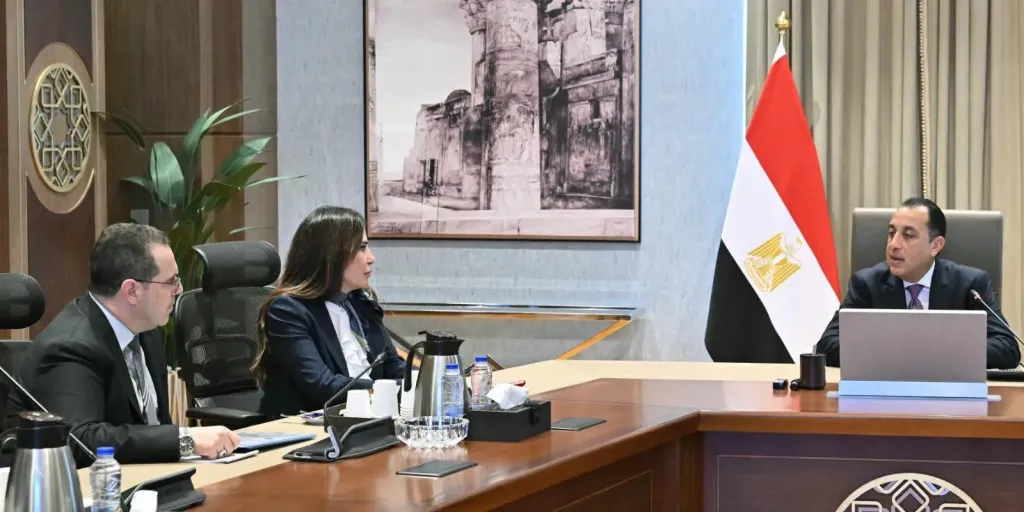
Egyptian Prime Minister Mostafa Madbouly has reviewed the government's plans to deliver one million housing units by 2030, as part of a national initiative launched under directives from President Abdel Fattah El-Sisi during Egypt Forum 2026.
The meeting focused on expanding housing and urban development projects while ensuring that residential units are available to different income groups and meet the country's growing housing demand.
The meeting was attended by Randa El-Menshawy, Minister of Housing, Utilities and Urban Communities, and Walid Abbas, Deputy Minister of Housing for Urban Communities.
Madbouly stressed that delivering one million homes over the next four years is a key part of the government's urban development vision, emphasizing the importance of balancing different housing categories and providing suitable options for citizens.
Six Programs to Expand Housing Supply
During the meeting, El-Menshawy presented the ministry's strategy, which is built around six main programs designed to diversify housing options and address the needs of different social and economic groups.
The first program focuses on social housing units through the Social Housing and Mortgage Finance Fund. The second involves developing social housing projects through partnerships between the fund, the New Urban Communities Authority and real estate developers.
The third program covers rental housing and rent-to-own arrangements, while the fourth targets medium, upper-medium and luxury housing in new cities.
The fifth program will deliver housing units across these categories through partnerships with real estate developers. The sixth is dedicated to providing premium housing for factory workers.
Social and Rental Housing Account for 65%
The housing minister explained that social housing, rental units and rent-to-own properties are expected to account for approximately 65% of the total targeted supply.
This allocation reflects the government's priority of supporting vulnerable households and meeting the housing needs of low- and middle-income citizens.
The strategy also seeks to expand partnerships with developers of different sizes, diversify funding and implementation sources, reduce the financial burden on the state and offer various housing ownership and occupancy options.
Land Allocation and Geographic Distribution
Walid Abbas presented proposed land plots and the geographic distribution of cities targeted for the housing developments. He also reviewed available land areas for social and medium-income housing projects under the first phase.
The discussions included proposed unit allocations and land requirements based on the different housing categories, while taking into account the specific needs of each city.
The government aims to ensure a wider geographic distribution of projects in line with its urban development plans and the expansion of new cities.
related topics
 Egypt Discusses Plans with ”Cassava AI” to Establish First Local AI Factory...
 Egyptian PM Inaugurates Second Phase of Haier Industrial Complex with $185 Million...
 Visa Identifies More Than $1.4 Billion in Potential Scams Over Six Months
 Uber Vendor Breach Exposes Personal Data of Nearly 150,000 People, Including Driver's...
 El Sewedy National Plans EGP 1 Billion Investment in 2027, Targets EGP...
 «اتصالات بيزنس» تدخل سوق الحوسبة المتقدمة في مصر بإطلاق خدمات GPUaaS لدعم...
 EFG Hermes Completes EGP 301 Million Securitization Issuance for Klivvr
 Etisalat Business Launches GPUaaS in Egypt to Accelerate AI Development
 Comprehensive Cyber Immunity and AI Security: Kaspersky Showcases KasperskyOS and Global Transparency...
 Targeting EGP 16 Billion in Sales: PRE Group Launches ”Collage Seasons” Serviced...
 OPPO Officially Launches the A7 Pro 5G in Egypt with a Massive...
 ADIB-Egypt Injects EGP 2.5 Billion to Boost Digitalization and Network Expansion Through...