


DeepSeek and Huawei Develop Open-Source Tools to Challenge Nvidia in China
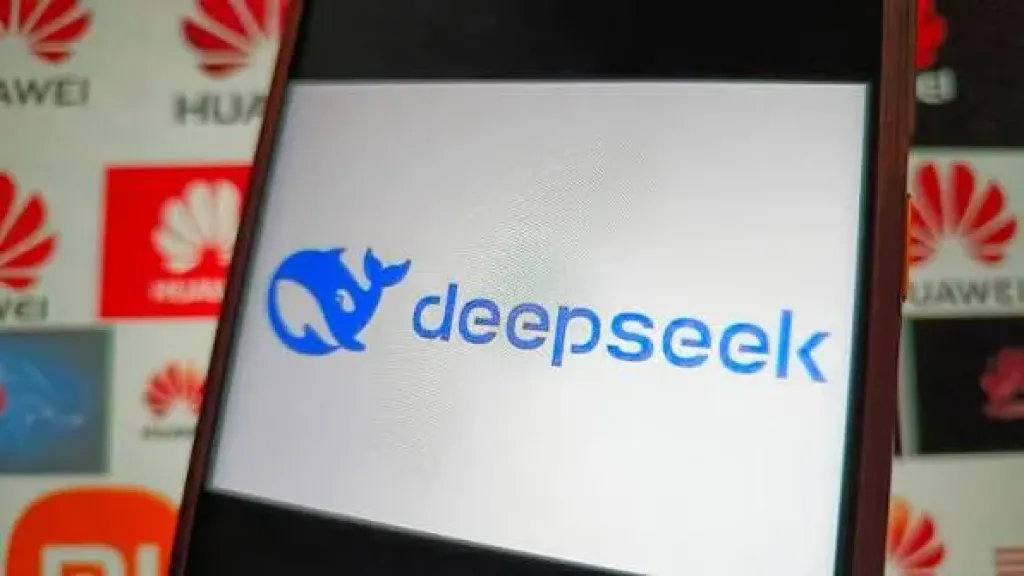
DeepSeek and Huawei are working together to develop open-source software that makes it easier to run artificial intelligence models on Chinese-made chips, potentially lowering the cost and complexity of switching away from Nvidia's technology in China.
DeepSeek, the Hangzhou-based AI model developer, is adapting its software tools to work with Huawei's Ascend platform, helping developers use Chinese processors to train and run AI models.
The initiative addresses a major obstacle to replacing Nvidia hardware. Moving to domestic chips requires more than swapping processors: companies must also adapt their software and development tools to a different computing architecture.
Open-source software supports Huawei's Ascend platform
DeepSeek has reworked its Tile Lang software to improve compatibility with Huawei's Ascend platform and made it available as an open-source project. This allows developers to use, modify and build on the tools without incurring high software costs.
Nvidia's strength in the AI market rests on an integrated ecosystem combining processors, programming tools and libraries used to build, train and run AI models, alongside the performance of its hardware. Software that works effectively with Chinese chips could help narrow the gap between the two ecosystems.
Broader adoption of DeepSeek's compatible tools could also reduce the technical barriers facing companies seeking to migrate to domestic computing infrastructure.
US export restrictions accelerate China's shift to domestic technology
The collaboration comes as China pushes to strengthen self-sufficiency in semiconductors and AI amid US restrictions on exports of certain advanced chips and technologies to the Chinese market.
Despite those restrictions, demand for Nvidia products remains strong in China, where major technology companies rely on its processors for AI-related computing. Parallel markets and unofficial supply channels have also emerged to provide some chips that are difficult to obtain through conventional routes.
Chinese companies are under growing pressure to develop domestic alternatives that can meet rising demand. Huawei, meanwhile, is working to increase production and shipments of its Ascend chips while expanding its software ecosystem and developer base.
Manufacturing capacity remains a key constraint
Reducing the software gap does not automatically mean Chinese companies can replace Nvidia at scale. Production capacity remains a major challenge, as domestic manufacturers must supply enough advanced processors to meet the AI sector's needs.
Huawei is seeking to expand output as demand for domestic computing solutions rises, while DeepSeek aims to rely more heavily on Chinese chips to train its future models.
Greater use of domestic processors for AI training has become a key objective for DeepSeek. Huawei could begin supplying chips designed for training workloads in the fourth quarter of this year, although the final timeline may depend on production and delivery capacity.
The partnership reflects a broader shift in China's competition with Nvidia. The contest is no longer focused solely on producing chips with comparable performance; it increasingly involves building a complete software ecosystem that makes domestic hardware easier to use.
Nvidia continues to maintain a strong presence in China, and a rapid transition away from its products is not guaranteed. However, combining higher domestic chip production with compatible open-source software could accelerate adoption of Chinese alternatives as they become more widely available.
related topics
 Google Launches Gemini AI Agent to Automate Enterprise Workflows
 Microsoft’s Surface Laptop Ultra Draws Attention Over AI Capabilities, Power Demands and...
 Thndr Dominates Egypt’s Brokerage Market with EGP 16.97 Billion in Weekly Trades
 A New Generation of Gemini: Google Launches an AI Agent Operating as...
 Revolution in Apple Computers: Touchscreen MacBook Pro and M6 Chips Lead October...
 ICT Misr at Cairo ICT 2026: Dell Technologies Partnership Supports AI Infrastructure...
 Egyptian Banks and valU Expand Electric Vehicle Financing to Support Green Transition
 CIB at Cairo ICT 2026: Digital Banking Expansion and Yomo Strengthen Its...
 Egypt Post Marks 160 Years of National Service with a Digital-First Vision
 Oracle Spearheads the Database and AI Revolution to Empower Enterprises at Cairo...
 Egypt Trust Leads the Digital Certification Sector to Enhance Digital Sustainability and...
 Microsoft Takes Center Stage at Cairo ICT, Driving AI Solutions and Digital...