


Elon Musk: AI Could Outsmart Humans in All Fields by Next Year or 2028 at the Latest
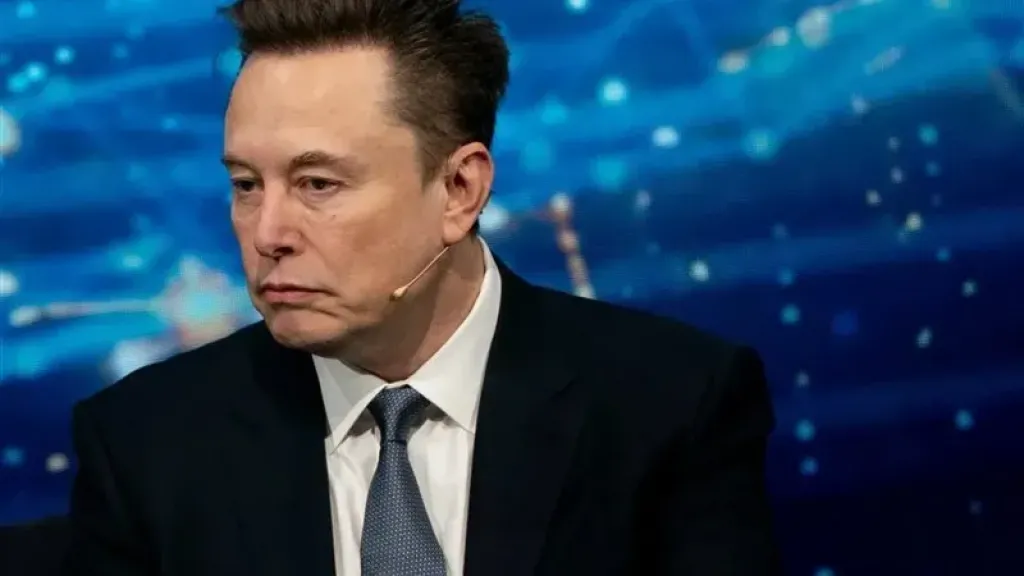
In a new prediction reflecting accelerating bets on the future of artificial intelligence, Elon Musk stated that AI systems could surpass human capabilities in all fields by the end of next year, or by 2028 at the latest.
Musk’s remarks came in response to French computer scientist François Chollet, who recently reposted a 2021 prediction suggesting that most scientific disciplines could transform into branches of computer science within 10 to 20 years. Chollet attributed this shift to advancements in simulation technologies and the ability to process massive datasets.
Musk argued that this timeframe might be too conservative. He believes the rapid evolution of AI could lead to a stage where machines outperform human capabilities across a broad spectrum of scientific and professional domains in a much shorter period.
Developing More Autonomous Systems:
This prediction arrives as AI companies increasingly focus on developing autonomous systems capable of executing complex tasks in research, programming, and analysis without continuous human intervention. Furthermore, there is growing research into the capacity of future systems to optimize and improve the AI development process itself.
However, Musk’s statement does not reflect a definitive scientific consensus on when AI will achieve comprehensive superiority over humans. Researchers' estimates vary significantly regarding the timeline for reaching Artificial General Intelligence (AGI) and the ability to perform all human tasks more efficiently.
A large-scale study involving 2,778 AI researchers highlights a wide range of estimates regarding when machines will surpass humans in every task, underscoring the ongoing lack of scientific agreement on when this scenario might actually materialize.
While Musk expects this milestone within roughly two years, its realization remains contingent on future technological breakthroughs. AI systems must first successfully transition from excelling at specific, narrow tasks to delivering reliable, cross-domain performance—a feat that has yet to be comprehensively achieved.
related topics
 Anthropic Unveils Claude Opus 5.5 With Lower Costs and Stronger Agentic Coding...
 Egypt to Launch National Data Center Strategy by End-2026, ICT Minister Says...
 Tencent Launches New AI Image Model to Compete with China’s Tech Giants
Former Apple Retail Chief Ron Johnson Says AI Won't Replace the Physical...
NVIDIA Expands Footprint in Egypt as Digital Infrastructure Boom Catalyzes Domestic AI...
 OpenAI Forms Independent Mathematics Advisory Group Amid AI Breakthroughs and Academic Scrutiny
 Amazon Blocks Meta's 'Muse' AI Agent from Executing Direct E-Commerce Purchases
 Raya Information Technology Showcases New Cyber Arm and Comprehensive Digital Ecosystem at...
 FDC Summit 2026: MCS CEO Tarek Shabaka Highlights Digital Trust, AI, and...
 Egyptian Armed Forces and MCIT Celebrate ITI Training Program Graduates
 Egypt and NVIDIA Explore Cooperation in AI, Digital Skills and Innovation
 WhatsApp Expands Apple Watch Experience with Full Emoji Message Reactions