ICT Minister Witnesses MoU Signing between Telecom Egypt, PSL to Develop Sharm El-Sheikh–Taba Subsea Cable
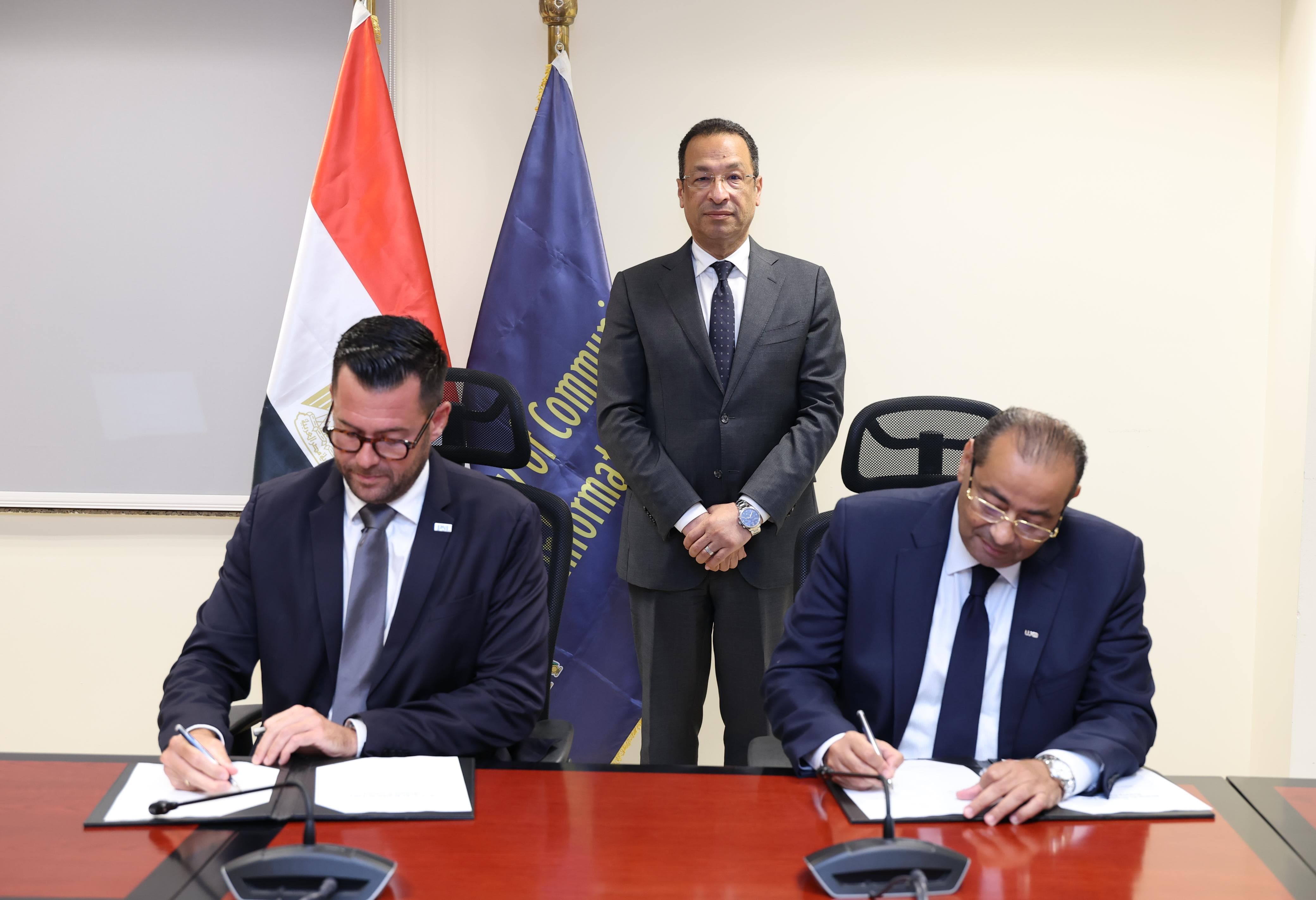
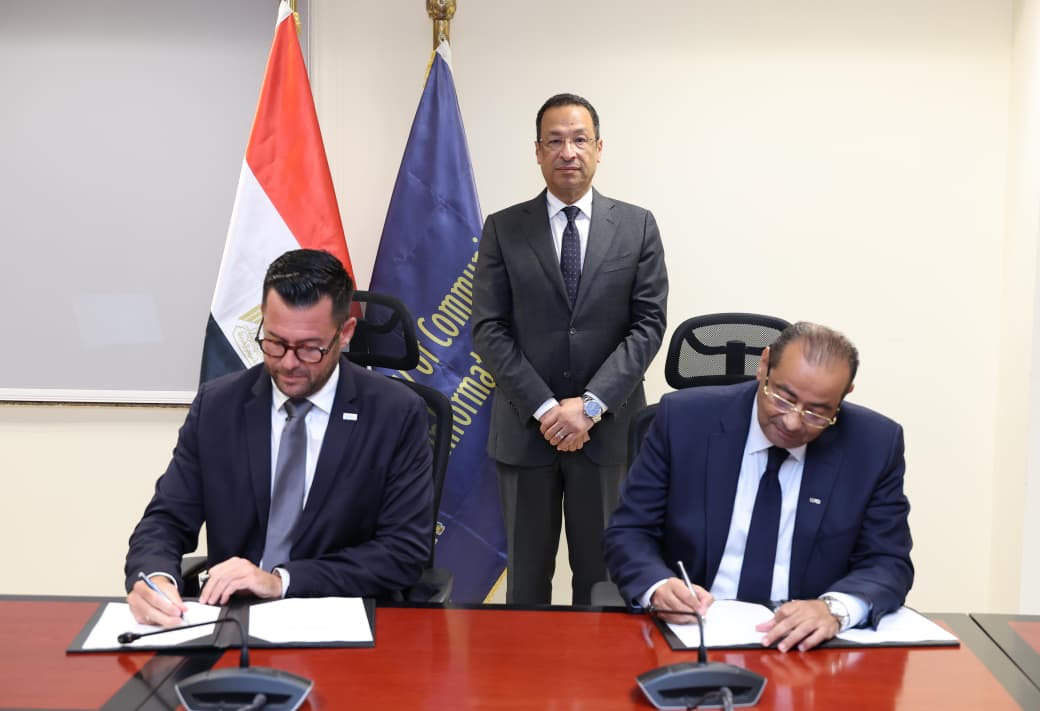
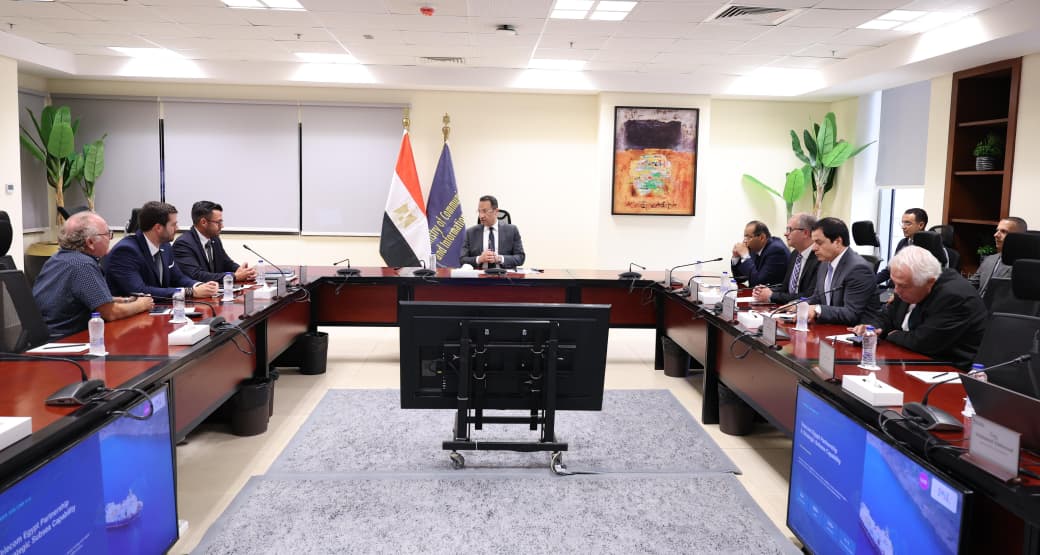
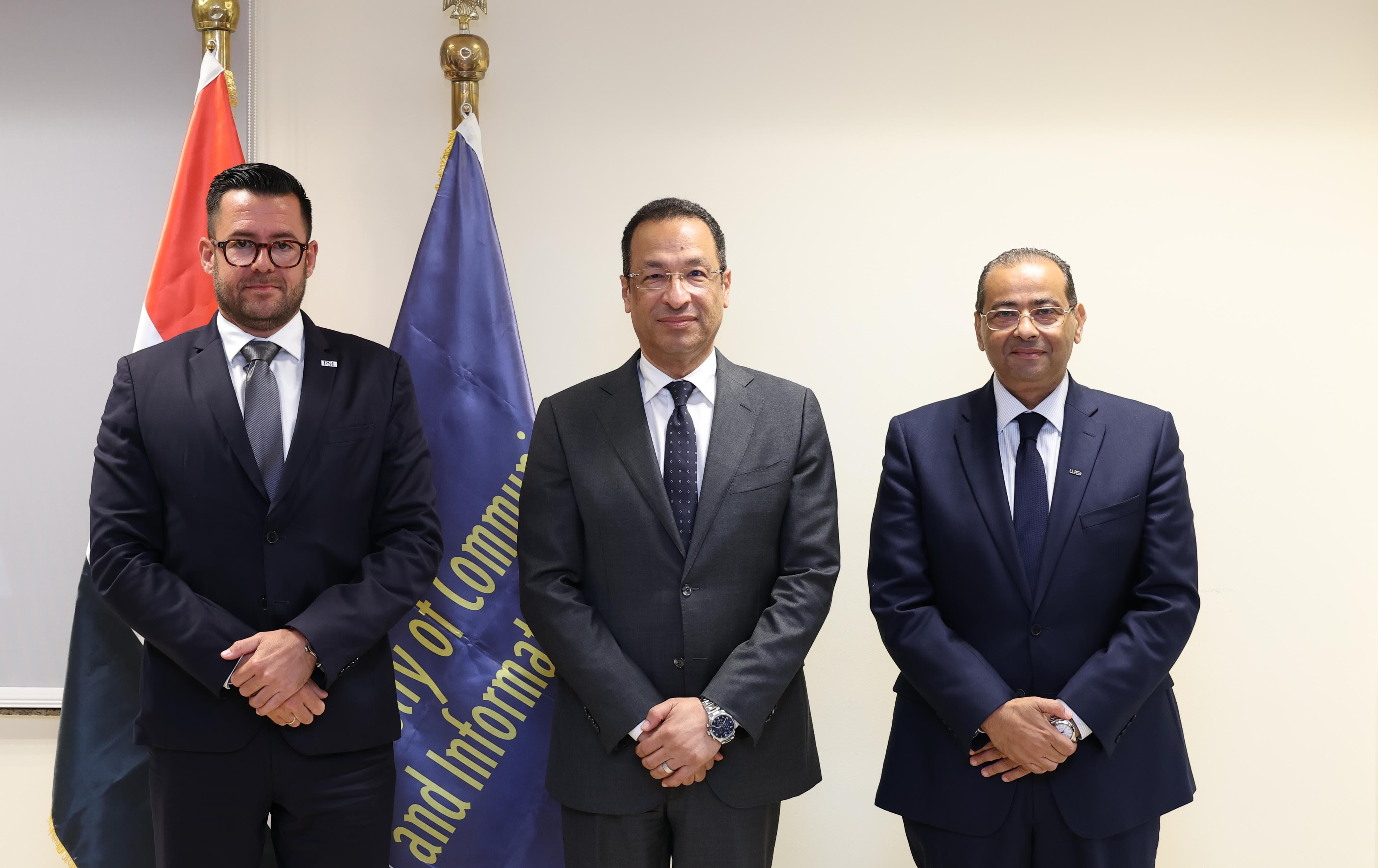
Minister of Communications and Information Technology Raafat Hendy has attended the signing ceremony of an agreement between Telecom Egypt, Egypt’s leading telecommunications and IT services provider and one of the region’s largest subsea cable operators, and Greece-based Power Sub Link S.A. (PSL), a leading global provider of subsea cable installation and advanced marine engineering solutions. Under the agreement, the two companies will develop the Sharm El-Sheikh–Taba subsea cable.
The agreement was signed by Managing Director and CEO of Telecom Egypt Tamer El Mahdi and Managing Director of PSL Byron Skaftouros.
With a length of approximately 200 km, the subsea cable provides the shortest, fastest, and most secure route for transmitting data between Sharm El-Sheikh and Taba. It also marks a key milestone toward completing the link between the Red Sea and the Mediterranean through its connection to the Internet Corridor of Egypt (ICE) via Al-Morshedeen Road.
The subsea cable features a high fiber count and a design capacity of up to approximately 5 petabits (Pb). It incorporates the latest fiber-optic technologies, enhancing network performance, enabling higher transmission capacities, and providing greater route diversity and connectivity options for international subsea cable operators. The cable is expected to enter service in the fourth quarter of 2027.
The new cable will extend Telecom Egypt’s Red Sea Festoon network to Taba, providing subsea connectivity to the cable landing stations in Suez, Zafarana, Ras Ghareb, and Sharm El-Sheikh. The Red Sea Festoon network further strengthens Telecom Egypt’s international fiber-optic infrastructure by adding new landing stations and providing diverse connectivity routes along the coast. This expansion also enhances route diversity and network resilience, helping secure international data traffic transiting through and connecting to Egypt, while strengthening connectivity between Asia, Africa, and Europe.
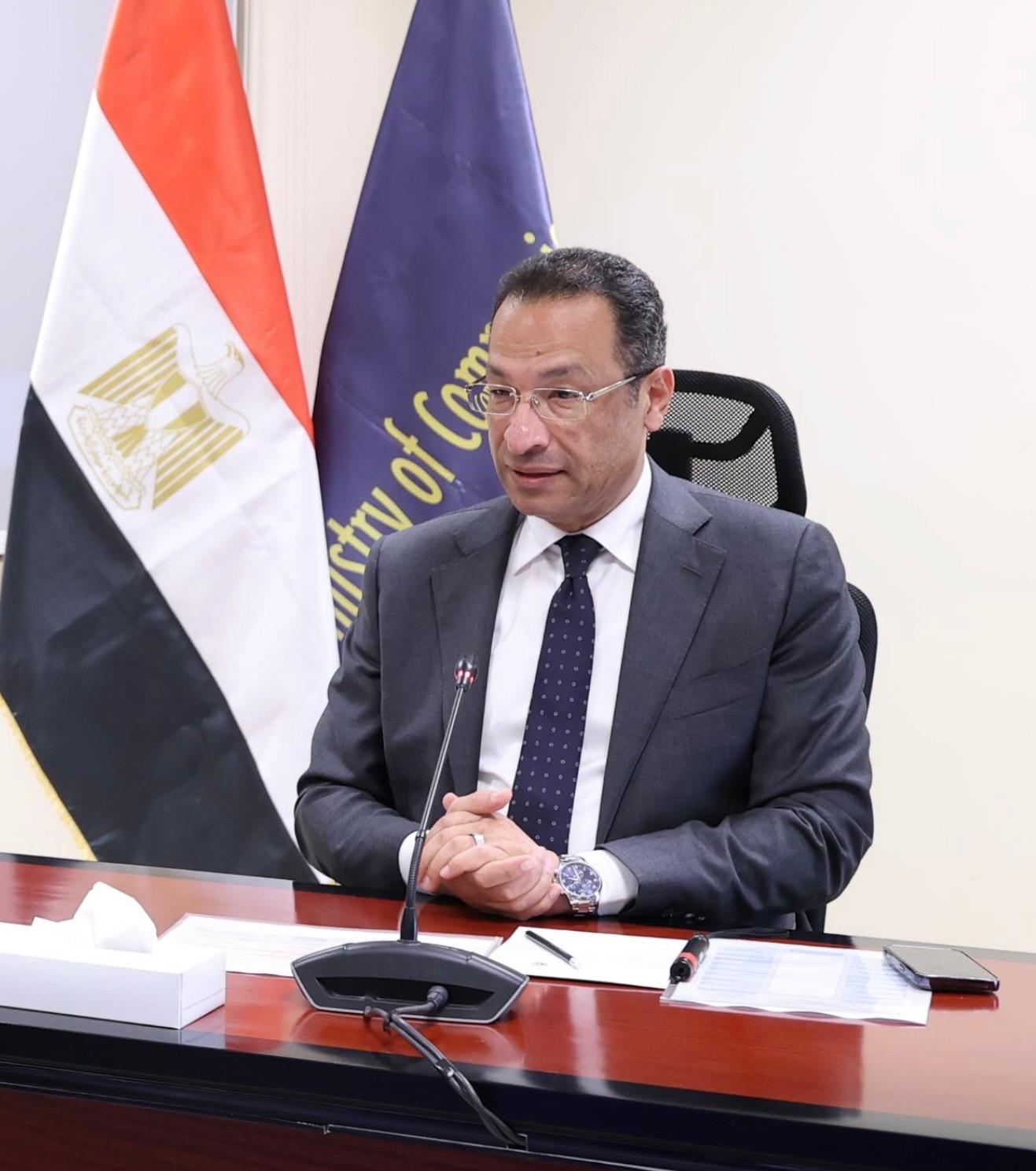
The ICT Minister said that the agreement reflected Egypt's continued efforts to strengthen its digital infrastructure, enhance the diversity and resilience of its international connectivity routes, and reinforce Egypt's pivotal role in global digital connectivity. He added that the development of the new subsea cable further reinforced Sinai's role as an important component of Egypt's digital infrastructure, by expanding its subsea and terrestrial infrastructure.
Hendy noted that the Ministry of Communications and Information Technology (MCIT) remains committed to strengthening Egypt's position as a global connectivity hub between East and West, and to continuing the development of its international digital infrastructure to support global data traffic and meet the growing demand for secure, efficient, and diverse international data transmission.
Under the agreement, PSL will undertake the construction of the cable, leveraging its expertise in subsea cable engineering to help deliver this vital infrastructure project.
El Mahdi, for his part, said the project aligned with Telecom Egypt's new strategy, which aims to maximize its role in digital infrastructure and strengthen its regional and international position. He described the Sharm-Taba cable as another significant milestone in the development of Telecom Egypt's international infrastructure, particularly its subsea infrastructure in Sinai, strengthening route diversity, resilience, and capacity.
He also explained that the company advanced a new eastern digital corridor connecting the Red Sea and the Mediterranean through the Sinai Peninsula, reinforcing the company's strategy of leveraging Egypt's unique geographic position at the crossroads of three continents. These investments demonstrate Telecom Egypt's continued commitment to supporting its international partners with secure, resilient, and high-capacity connectivity routes to meet the region's growing data demand, El Mahdi added.
PSL’s CEO said that together with Telecom Egypt, the company was not simply delivering subsea infrastructure but helping shape the next generation of global connectivity. He explained that by developing a resilient Red Sea bypass, the partnership reinforces Egypt's position as a strategic gateway between continents, strengthened the security and continuity of international communications, and created new digital corridors of lasting global significance. Skaftouros added that this was more than connectivity; it was resilience, strategic relevance, and infrastructure built for the future.
The project represents a significant milestone in the development of subsea cable transit infrastructure across the Red Sea and the Sinai Peninsula, further strengthening Egypt’s strategic position as a regional and global hub for international data traffic.