


Egypt Tightens SIM Registration as Unified Digital ID and Biometric Verification Take Shape
Egypt is moving to overhaul the way mobile lines are registered and verified, combining tougher regulatory controls on telecom operators with biometric authentication and a nationwide unified digital identity system, following complaints over SIM cards registered using citizens’ personal data without their knowledge.
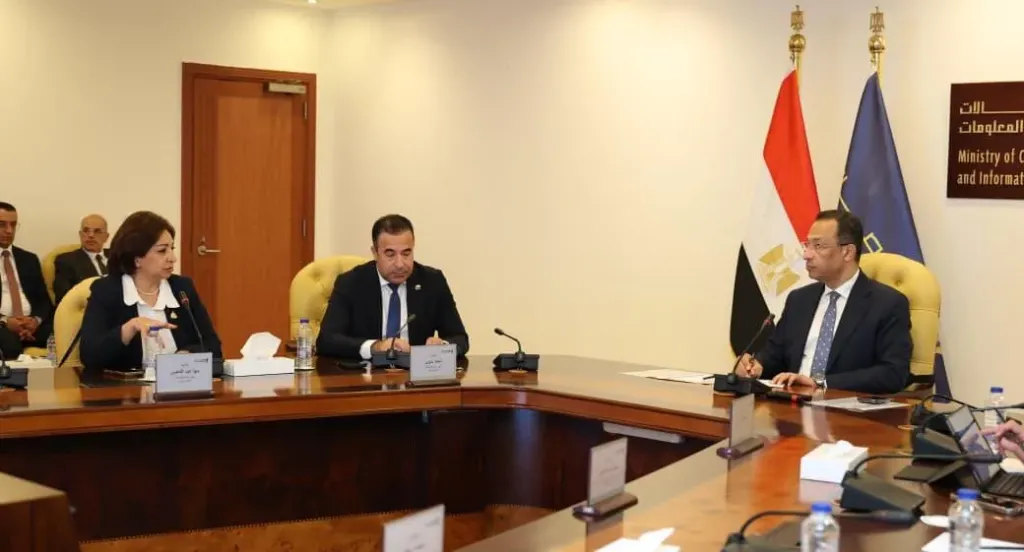
The latest measures were reviewed during a meeting between Minister of Communications and Information Technology Raafat Hendy, members of the House of Representatives’ Communications and Information Technology Committee, and Mohamed Shamroukh, Executive President of the National Telecommunications Regulatory Authority (NTRA).
The meeting focused on the regulatory and legal response to the recent SIM registration cases, as well as a broader technical framework aimed at closing identity-verification gaps and preventing similar incidents from recurring.
Hendy stressed that protecting users and their personal data remains a priority despite the rapid growth of Egypt’s ICT sector, calling on the country’s four mobile operators to fully implement the new NTRA requirements.
He said operators must ensure that each mobile line is linked to its actual holder and that subscriber information is accurate, while making the required procedures as straightforward as possible for customers.
Four Mobile Operators Referred to Public Prosecution
The regulatory push follows NTRA’s decision to refer Egypt’s four mobile operators to the Public Prosecution over complaints involving lines registered under users’ personal information without their knowledge or possession.
The referral followed inspections and investigations carried out by the regulator after receiving the complaints, with evidence and related documentation submitted to the competent investigative authorities.
NTRA has also introduced a package of immediate measures aimed at tightening the sale, registration and activation of mobile lines.
The regulator has moved to regularize existing lines registered through corporate systems and strengthen controls intended to ensure that SIM cards are associated with their actual users.
Cases involving suspected criminal violations in mobile-line contracts will be referred to the Public Prosecution, while NTRA will impose regulatory penalties under operators’ licensing rules where administrative or regulatory breaches are established.
Biometric Verification Moves to Mobile Operator Apps
A central element of the new framework is the expansion of biometric identity verification.
NTRA has instructed mobile operators to accelerate the introduction of biometric verification mechanisms through their applications, providing a stronger way to confirm that the person requesting a telecom service is the legitimate holder of the identity being used.
The move is expected to reduce reliance on conventional identity checks and make it considerably harder to register mobile lines using another person’s information.
The importance of accurate SIM registration has grown as mobile numbers have evolved beyond voice and data services to become an authentication gateway for digital payments, financial products and government services.
Hendy said strengthening governance around SIM registration is therefore essential to maintaining confidence in Egypt’s broader digital ecosystem.
Egypt Builds a Single Digital Identity
The changes to mobile registration form part of a much larger transformation now taking shape.
Shamroukh revealed further details of Egypt’s Unified Digital Identity project, describing it as a strategic digital transformation initiative led by the Ministry of Communications and Information Technology in coordination with relevant state authorities.
The goal is to establish one comprehensive digital identity for citizens that can be used across different sectors, rather than relying on separate verification mechanisms for individual services.
The project is being built on digital infrastructure developed in cooperation with the Ministry of Interior and other competent authorities, enabling technical integration and biometric matching against official records.
This architecture is intended to ensure that digital requests originate from the genuine identity holder while preventing manipulation through fabricated information, fraudulent photographs or falsified data.
Buying a SIM Without Visiting a Branch
Once the required stages are completed, the digital identity infrastructure could also change the way Egyptians obtain telecom services.
Shamroukh said the system is being designed to support electronic signatures and full remote identity verification, potentially allowing smartphone users to purchase mobile lines and complete certain official procedures without visiting a physical branch.
This would combine two objectives that have traditionally been difficult to reconcile: stronger identity verification and simpler customer procedures.
Instead of weakening security to make digital transactions easier, biometric matching against official data could allow more services to move online while strengthening confidence in the identity of the person completing them.
Parliament Backs NTRA’s Response
Members of the House Communications and Information Technology Committee welcomed NTRA’s response and the measures introduced following the complaints.
Committee Chairman Ahmed Badawy praised the speed with which the regulator addressed the issue and communicated its response, while committee members stressed the importance of stronger internal compliance and governance procedures across telecom operators.
The committee said it would continue monitoring implementation of the measures and their results as part of parliament’s oversight role, while backing stricter mechanisms to protect consumers and reinforce discipline across the telecom market.
From SIM Registration to a Wider Identity Overhaul
The significance of the current measures extends beyond resolving the immediate controversy over unauthorized SIM registrations.
Egypt is effectively moving toward an identity framework in which telecom operators, digital platforms and eventually a wider range of services can verify users against trusted official records using biometric authentication.
For mobile customers, that could mean tighter safeguards against having lines registered in their names without their knowledge. For the wider digital economy, it could provide a more secure foundation for remote financial and government transactions.
And as the unified digital identity project advances, the mobile number itself could become part of a much broader trusted digital identity framework — one designed to make it simultaneously harder to impersonate a citizen and easier for that citizen to access services remotely.