


Dubai Property Transactions Near AED 500 Billion in Seven Months
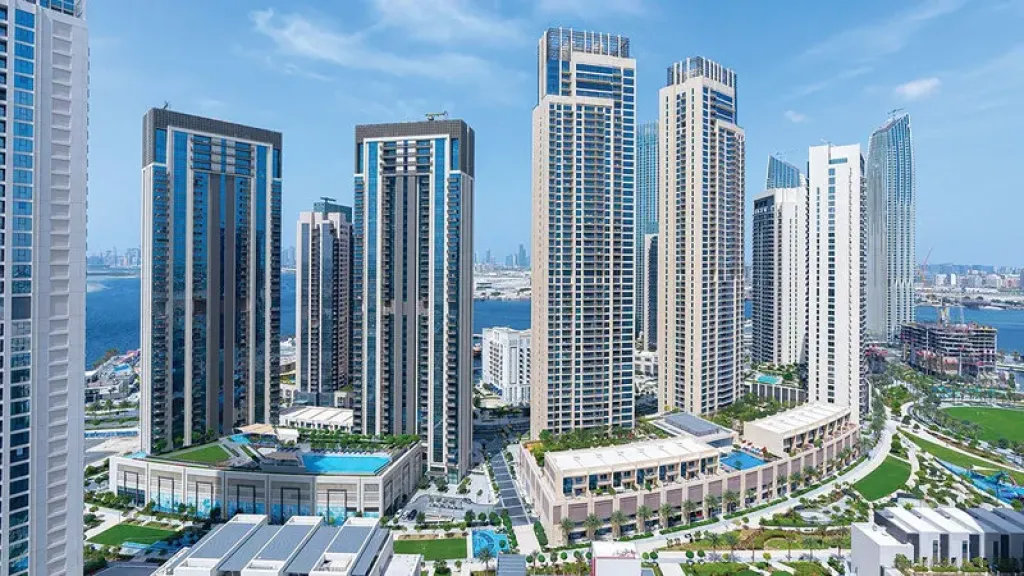
Dubai’s real estate market moved closer to the AED 500 billion mark in total transactions during the first seven months of 2026, extending the sector’s strong performance despite wider geopolitical and economic uncertainty.
The latest figures cover property sales, mortgages and gifts registered across the emirate, highlighting the depth of activity in both residential and commercial real estate.
Dubai had already recorded nearly AED 420 billion in property transactions during the first half of the year across more than 112,000 deals, before continued activity in July pushed the cumulative value closer to the half-trillion-dirham threshold.
Sales remained the largest contributor to market activity, supported by demand for apartments, villas, land and off-plan developments. Mortgage transactions also maintained a significant share, reflecting continued access to financing and the participation of both end users and institutional investors.
Weekly transaction data throughout July showed sustained momentum, with individual weeks recording between AED 9.6 billion and AED 11.1 billion in sales, mortgages and property gifts.
Activity remained concentrated in established and emerging investment districts, including Business Bay, Jumeirah, Dubai Marina, Palm Jumeirah, Jumeirah Village Circle and areas around Dubai’s expanding airport and logistics corridors.
The continued rise in transaction values reflects Dubai’s appeal to international investors, supported by population growth, residency reforms, a diversified project pipeline and the emirate’s position as a regional centre for business, tourism and wealth management.
The performance also comes as buyers become more selective, placing greater emphasis on project quality, delivery records, payment flexibility and long-term value rather than short-term price gains.
With five months remaining in the year, Dubai’s property sector is on track to record another substantial annual total, although the pace of future growth will remain sensitive to financing costs, regional developments and changes in global investor sentiment.