


Egypt Targets $6 Billion in Outsourcing Exports and 15 Million Locally Manufactured Mobile Phones by End of 2026, Says ICT Minister
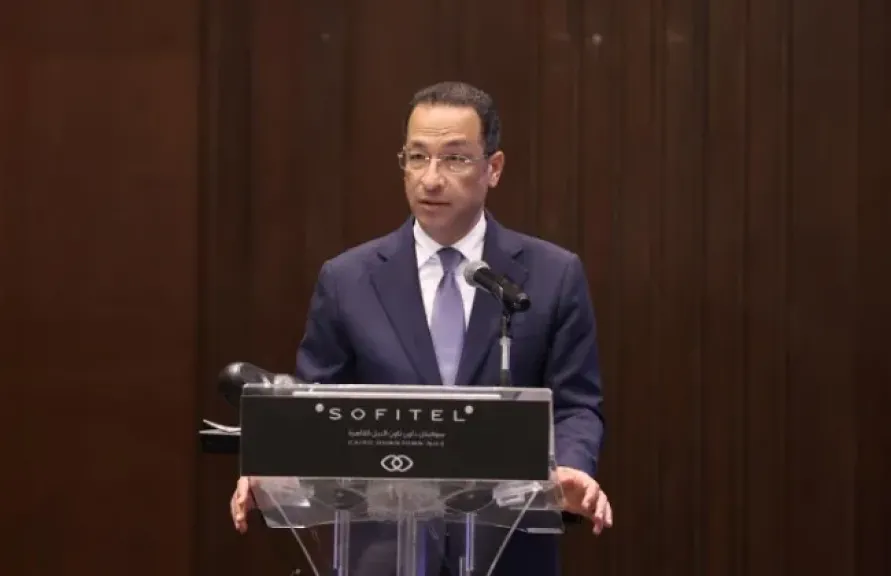
Raafat Hindi announced that Egypt is targeting $6 billion in digital outsourcing exports during 2026, alongside plans to increase locally manufactured mobile phone production to more than 15 million devices by the end of the year, as the country accelerates efforts to strengthen its position as a regional hub for technology services and electronics manufacturing.
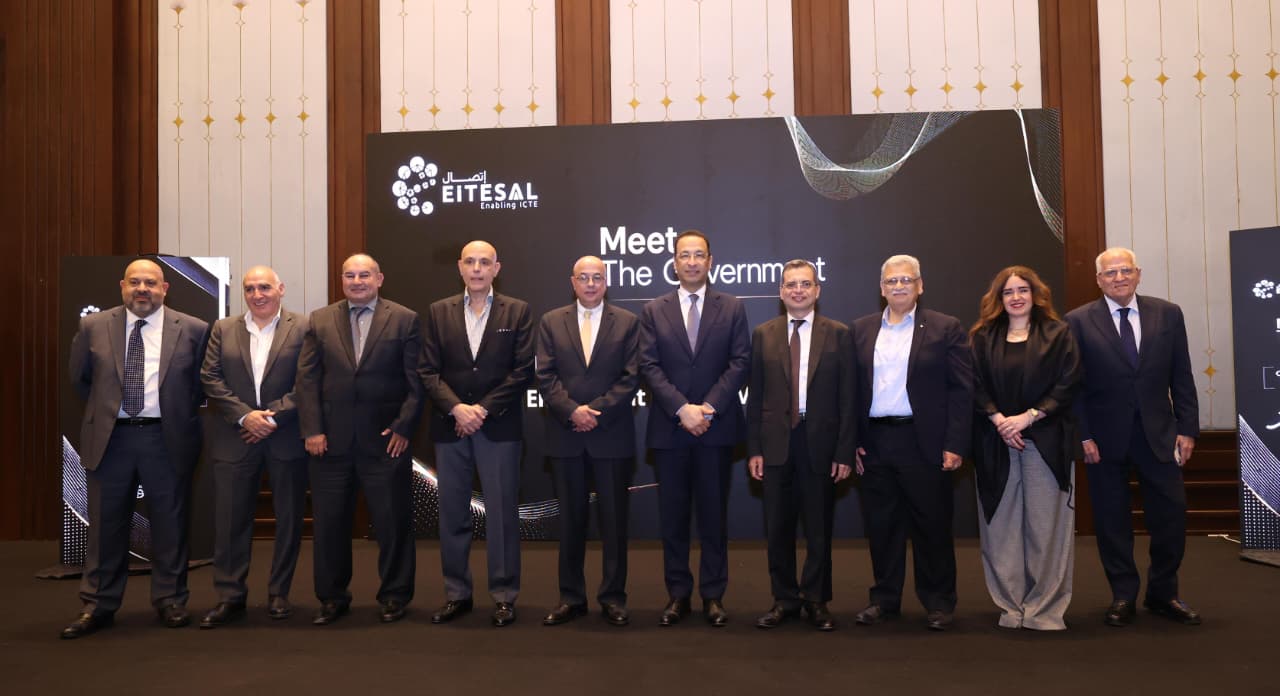
Speaking during the seventh edition of the “Meet the Government” initiative organized by EITESAL, Hindi said Egypt’s digital exports reached $5.2 billion last year, driven by continued expansion in outsourcing services, growing investments from multinational technology companies, and the country’s expanding pool of digitally skilled talent.
The minister noted that Egypt currently hosts more than 270 outsourcing centers operated by global companies delivering cross-border digital services to international markets, adding that the Ministry of Communications and Information Technology is implementing the second phase of its outsourcing industry development strategy to maintain competitiveness amid rapid global AI-driven shifts in labor markets.
Hindi emphasized that the government’s broader “Digital Egypt” vision aims to build a secure, inclusive, and sustainable digital economy capable of supporting innovation, attracting investments, increasing exports, and creating new job opportunities for Egyptian youth across different educational and professional backgrounds.
He added that the ICT sector continues to record strong growth rates, achieving 18.9% growth during the third quarter of the current fiscal year.
On local electronics manufacturing, Hindi revealed that 15 international mobile phone brands are currently manufacturing devices in Egypt, with local production reaching approximately 10 million mobile phones during 2025.
The minister said Egypt is now targeting production exceeding 15 million devices by the end of 2026, alongside plans to expand exports to regional and international markets and increase local value-added content to more than 40% over the coming years.
According to Hindi, the ministry is also prioritizing artificial intelligence and advanced technologies as part of Egypt’s digital transformation strategy.
He highlighted Egypt’s progress in the Oxford Insights Government AI Readiness Index, where the country advanced 60 positions since 2019, including 14 positions during 2025 alone, becoming the top-ranked African country in the index.
The minister also announced the launch of several AI-based systems in healthcare and education, in addition to the development of “Karnak,” a large language model created by engineers at the ministry’s Applied Innovation Center.
Hindi said the Arabic AI model was designed to reflect Egyptian identity and Arab culture while supporting national digital sovereignty goals.
The minister further stressed the importance of digital capacity building, revealing that the ministry aims to train 800,000 individuals during the current year through specialized digital skills and technology training programs.
He added that Egypt continues to expand its digital infrastructure through wider deployment of 5G networks, fiber-optic expansion, and internet infrastructure upgrades across the country, including villages covered under the government’s “Decent Life” initiative.
Hindi also pointed to ongoing efforts to attract investment in data centers and cloud infrastructure, describing them as critical pillars for achieving digital sovereignty and accelerating Egypt’s transition toward a knowledge-based economy.
The event was attended by senior government officials, former ICT ministers, executives from technology institutions, and representatives from Egypt’s ICT industry and business community.