


Egypt’s EV Revolution: Passap Group Chairman on the Future of Local Manufacturing

In an era defined by global supply chain volatility and a rapid shift toward green energy, Egypt is positioning itself as a potential hub for industrial innovation. We sat down with Eng. Sherif El-Sayyad, Chairman of Passap Group, to discuss the nation's transition to electric mobility and the integration of AI in manufacturing.
A Vision Born of Necessity
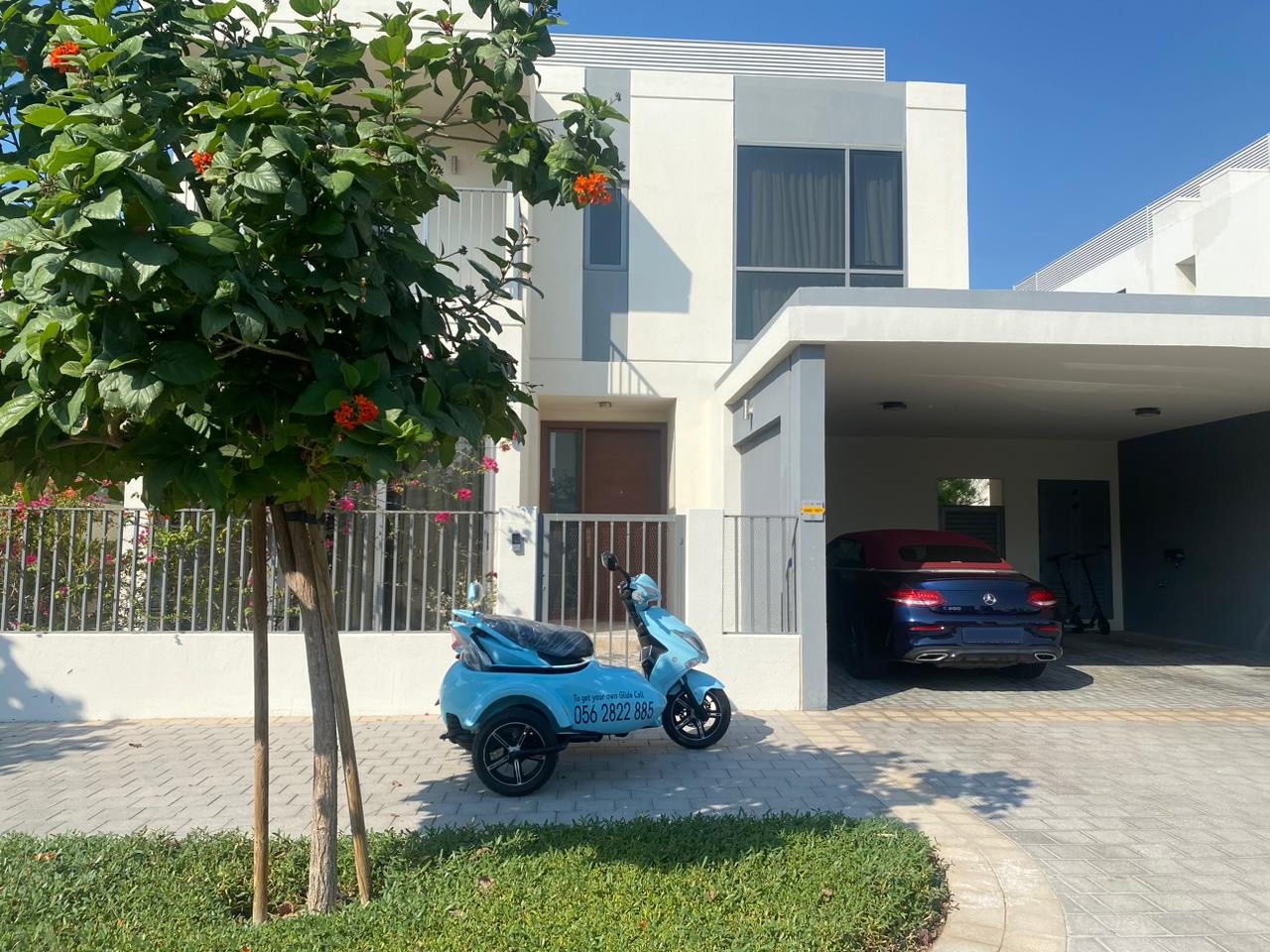
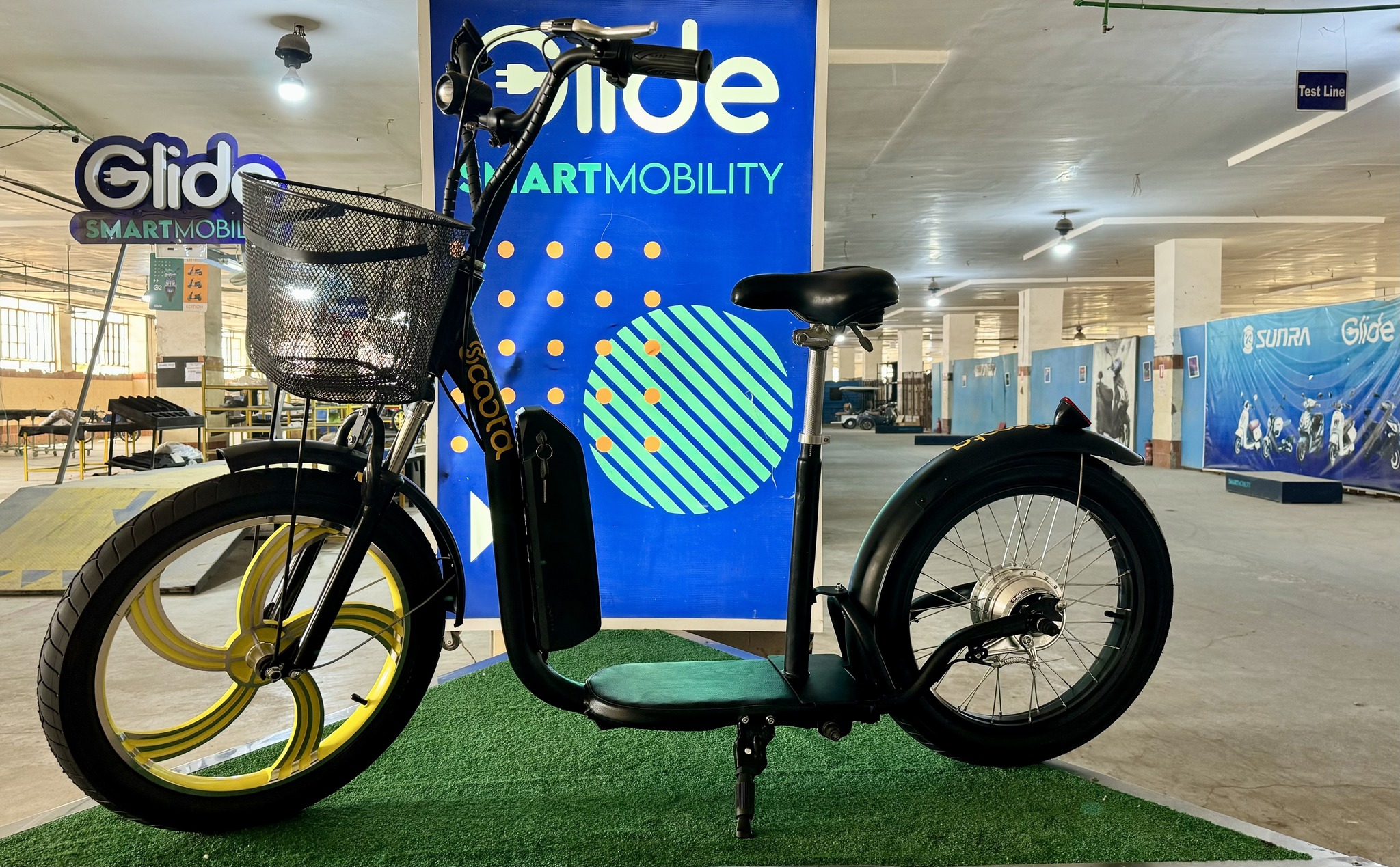
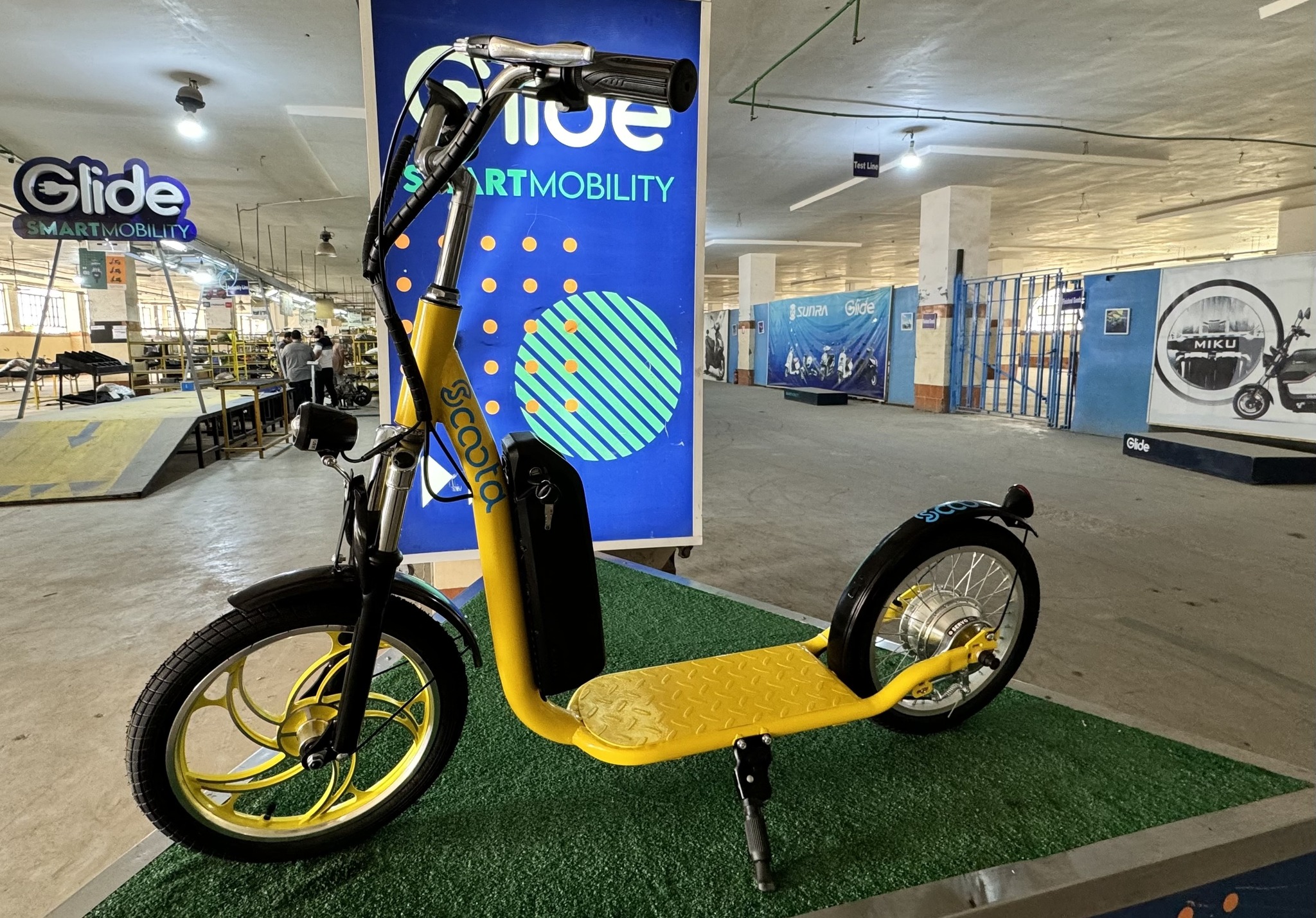
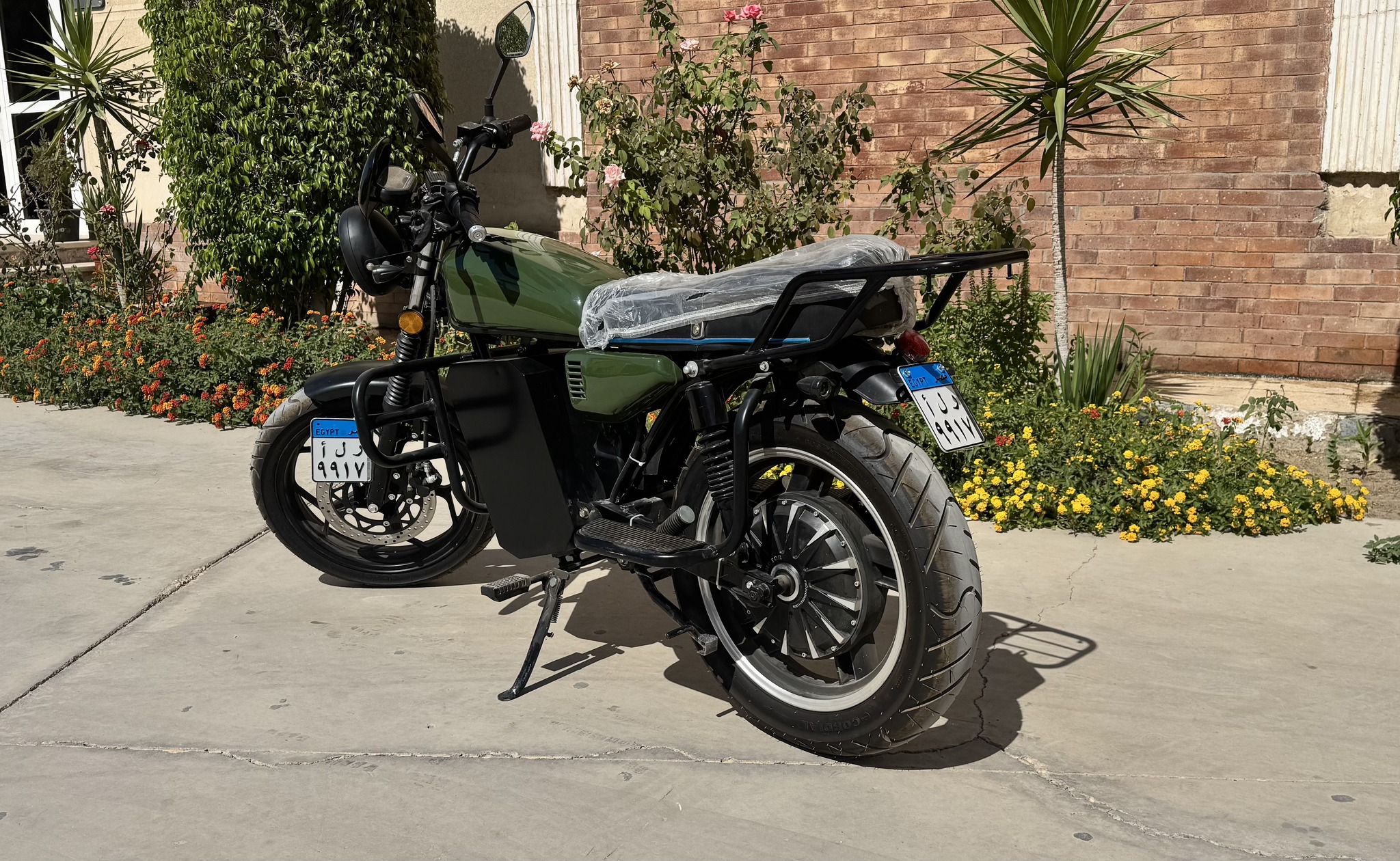
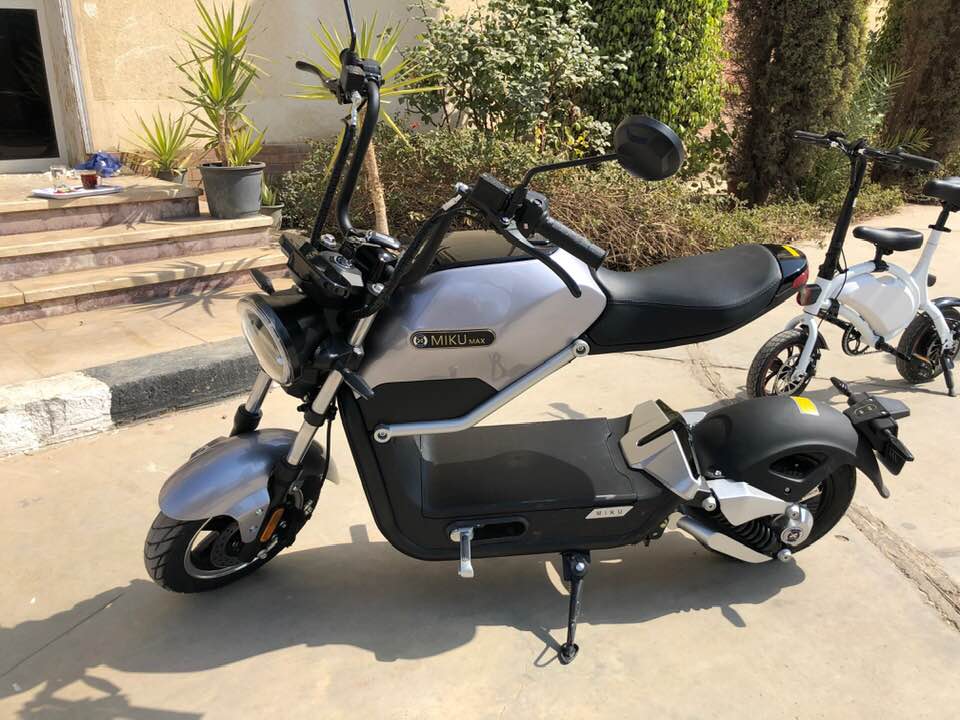
The global pandemic of 2020 served as a catalyst for many, but for the Passap Group, it was the starting gun for a total strategic overhaul. "We recognized a definitive shift in how the world moves," says Eng. Sherif El-Sayyad. His vision focuses on two primary pillars: affordable individual mobility—scooters and light bikes—and the broader transition to electric passenger cars.
For El-Sayyad, Egypt's adoption of Electric Vehicles (EVs) isn't merely a trend; it's a financial imperative. "This is no longer a luxury," he argues. "With the lower operational costs compared to traditional fuels and the global push for clean energy, it has become an economic and environmental necessity."
Turning Crisis into Opportunity
The disruption of global supply chains, particularly the heavy reliance on Chinese manufacturing, has created a geographical vacuum that Egypt is eager to fill. El-Sayyad views the recent global hardships through a pragmatic lens: "In every crisis, there is a gift."
As European and African nations seek closer, more reliable suppliers, Passap Group has seen a surge in demand from neighboring markets such as Libya, Sudan, and Morocco. Currently, the group’s home appliance sector exports nearly 35% of its total production, a figure they aim to grow as they navigate the challenges of raw material costs and fluctuating plastic prices.
The AI Frontier in the Factory
While many discuss Artificial Intelligence in the context of the future, Passap Group is already implementing it on the factory floor. However, the application is more focused on "industrial efficiency" than "product gimmicks."
"We use AI to monitor production lines via smart camera systems and data analysis," El-Sayyad explains. By utilizing AI-driven ERP systems, the group measures actual productivity and worker performance with objective data, removing human bias from the equation.
As for AI-integrated products, the Chairman remains grounded. "The technology is ready, but the cost is still prohibitive for the local market. For now, our focus is on enhancing customer experience through AI-powered chatbots and voice-response systems."
The Half-Million Pound Electric Car
Perhaps the most ambitious of El-Sayyad’s plans is the goal to produce a locally manufactured, "affordable" electric car targeted at the youth. With a price point aimed at approximately 500,000 EGP, the project seeks to tackle "range anxiety"—the fear of battery depletion—head-on.
"We are exploring battery-swapping stations and fast-charging technologies that can reduce wait times to mere minutes," he says. The goal is to create an ecosystem where an EV is as convenient as a petrol car.
The Road Ahead
Despite the hurdles of local component manufacturing—specifically batteries and motors—El-Sayyad remains optimistic about Egypt’s industrial trajectory. He credits the government’s renewed focus on export-led growth as a turning point.
"Egypt has the geography, the trade agreements, and the market size," El-Sayyad concludes. "If we bridge the gap in local component manufacturing and embrace technology, we aren't just looking at growth—we are looking at an industrial boom."









related topics
 Huawei Selects Cairo to Debut ”Intelligent Africa Congress 2026,” Positioning Egypt as...
 Raya Auto Wins 'Excellence in New Markets' Award at XPENG Global Partners...
 Egypt Eyes Electric Vehicle Swap Program for Aging Fleets Under National Green...
 Scaling AI Anywhere: Submer and ZEDEDA Launch Modular Liquid-Cooled Solution for Rugged...
 Industry Leaders and Prominent Business Figures Offer Condolences to Egypt’s Minister of...
 Egypt’s Engineering Exports Hit Historic High in February 2026, Surging 37.6% to...
 AVEVA to Showcase Advanced Digital Solutions at Egypt Energy Conference “EGYPS 2026”
 Uber to Invest Up to $1.25 Billion in Rivian to Accelerate Autonomous...
 GB Auto Confirms Preparations to Introduce Chery’s iCAR Brand to the Egyptian...
 LG Electronics Reports Record 2025 Revenue of $61.9 Billion, Strengthens Growth in...
 Alexandria Bank and Blue EV Partner to Promote Green Mobility and Job...
 Polaris Parks Expands Industrial Footprint with 1.1 Million sqm Land Acquisition in...