


Egypt’s Central Bank Awaits Presidential Decree to Reshape Board of Directors as Annual Term Expires

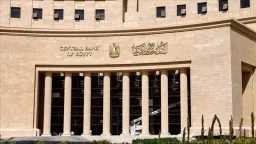
Egypt’s banking sector is awaiting a presidential decree to reconstitute the Board of Directors of the Central Bank of Egypt (CBE), following the expiration of the current board’s one-year term, which took effect on November 27, 2025. Attention is focused on the composition of the incoming board, particularly its non-executive members and their professional backgrounds, given the board’s role in setting the central bank’s policies and overseeing the banking system. As of November 29, 2026, no official announcement confirming a new board composition had been identified in the available published information.
Annual Board Restructuring Since 2022
banking circles are expecting the presidential decision in the coming days, following the expiration of the current board’s term.
The anticipated move follows a pattern of annual board reconstitution in recent years, which began after Tarek Amer resigned as CBE Governor in August 2022. Presidential decisions subsequently established successive board compositions, including Decision No. 551 of 2023, effective November 27, 2023, and a new composition in November 2024.
The latest board was established under Presidential Decision No. 733 of 2025, for a one-year period starting November 27, 2025. The decision was published in the Official Gazette on December 23, 2025, although its effective date was set retroactively to November 27.
Hassan Abdalla’s Term Extended Until August 2027
The anticipated board reshuffle does not necessarily signal a change in the central bank’s leadership. President Abdel Fattah El-Sisi renewed the assignment of Hassan El-Sayed Hassan Abdalla as Acting Governor of the Central Bank of Egypt for another year, effective August 18, 2026.
The renewal was issued under Presidential Decision No. 339 of 2026 and subsequently published in the Official Gazette. Accordingly, Abdalla is set to remain in the position until August 2027, while attention turns to the composition of the board and the selection of its non-executive members.
Legal Framework Governing Board Composition
Article 20 of Egypt’s Central Bank and Banking System Law No. 194 of 2020 stipulates that the CBE Board of Directors is chaired by the Governor and includes the two Deputy Governors, the Chairman of the Financial Regulatory Authority (FRA), and seven non-executive members, bringing the total membership to 10.
The seven non-executive members must have expertise in economic, monetary, banking, financial, legal, accounting or information technology matters. At least two must have expertise in economic affairs.
Their appointment is made through a presidential decree based on a nomination by the Governor and following consultation with the Prime Minister.
The same article specifies a four-year term for non-executive members, renewable once. This statutory provision should be distinguished from the one-year periods specified in recent presidential decisions establishing the board’s composition. The President also issues the decree establishing the board and determining the remuneration and attendance allowances of its non-executive members, based on a proposal from the Governor.
Board Responsibilities and Market Significance
The importance of the anticipated restructuring stems from the board’s extensive responsibilities. Under Article 22 of the law, the board is the authority responsible for establishing the central bank’s systems and policies and supervising their implementation.
Its responsibilities include approving the central bank’s financial and investment policies, monitoring their implementation, and issuing regulatory rules, standards and instructions governing licensed financial institutions.
The board also plays a role in the monetary policy decision-making framework through the Monetary Policy Committee. Under Article 28, the committee is responsible for reviewing monetary policy reports and proposals and making the necessary decisions, particularly those relating to the central bank’s key interest rates.
The committee is chaired by the Governor and includes the two Deputy Governors and three non-executive board members selected by the board.
Consequently, the banking sector’s attention is focused on the names and professional qualifications of the incoming non-executive members, given their participation in the central bank’s governance and policy framework. The publication of the presidential decree in the Official Gazette remains the definitive confirmation of the new board’s composition, and expectations surrounding the announcement should not be treated as an official decision.
related topics
 FAB Launches FAB First: How AI Is Changing the Future of Digital...
 Finance Minister: Africa is Our Strategic Depth; We Seek to Boost Exports...
 Egypt Bank Fees Set to Rise in 2027: What Customers Could Pay...
 Egypt Allows Insurance Companies to Check Customers’ Credit Records: What It Means...
 US Dollar Trades at EGP 54.75 for Buying at Egypt’s Central Bank...
 CBE Allows Insurance Companies to Access Customers’ Credit Reports Under Data Protection...
 saib Bank Delivers Financial Literacy Seminar to 120+ Female Alexandria Sea Scouts
 To Boost Business Growth and Cut Costs: Banque du Caire Launches ”SME+”...
 Egypt’s Central Bank Offers EGP 95 Billion in Treasury Bills Today
 US Dollar Holds Steady Against Egyptian Pound Ahead of Thursday’s Trading
 Banking Digital Transformation: Digital Banks, Open Banking and the Future of Customer...
 Financial Inclusion and Non-Bank Finance in Egypt: Digital Wallets, Online Lending and...
