


12 Systems, One Face Scan: How Egypt’s New Digital ID Works Behind the Scenes
For the mobile customer, Egypt’s new digital identity process can begin with something as simple as opening an operator’s app and turning on the phone camera. Behind that interaction, however, 12 different entities and systems communicate in real time to verify the user and complete the transaction.
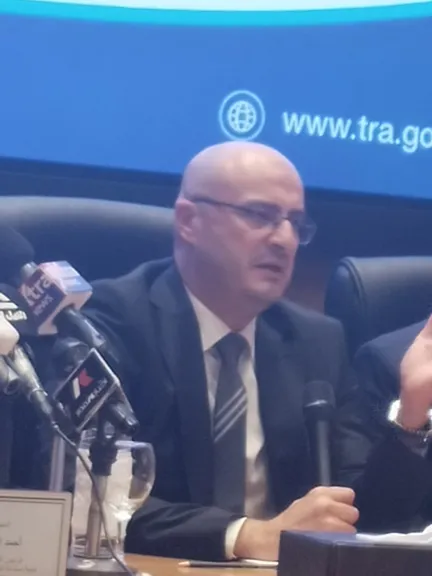
That is how Mohamed Shamroukh, CEO of Egypt’s National Telecommunications Regulatory Authority (NTRA), describes the infrastructure now being introduced across the apps of the country’s four mobile operators.
The new biometric verification framework is designed to move identity-sensitive telecom transactions away from the traditional service counter, allowing customers to prove who they are and complete eligible services remotely.
According to Shamroukh, the complexity has deliberately been kept behind the scenes.
Once a customer begins the process through their mobile operator’s app, the camera is used as part of the identity check. Multiple systems then work together in the background, including integration with the Ministry of Interior to validate identity information.
The journey can subsequently move into electronic signing, with the Information Technology Industry Development Agency (ITIDA) infrastructure supporting the issuance of the electronic signature certificate required to complete eligible transactions.
All of that happens while the customer remains within a largely unified digital journey.
12 systems working in real time
Shamroukh said 12 entities and systems can communicate simultaneously behind a transaction, even though the customer does not see the technical complexity involved.
The architecture is intended to solve one of the harder problems in digital services: allowing a sensitive transaction to move between identity verification, government records, telecom systems and legally recognized electronic signing without forcing the user to navigate those systems separately.
Once the required checks are completed, the customer can obtain the service remotely or, depending on the transaction, choose to collect it from a branch.
The framework is already available through the applications of Vodafone Egypt, Orange Egypt, e& Egypt and Telecom Egypt’s WE, opening the door for operators to move more services that previously required physical identity checks into their digital channels.
Digital ID will remain optional
The arrival of biometric verification does not mean Egypt is eliminating the traditional branch-based route.
Shamroukh stressed that using the new system is voluntary. Customers who prefer the conventional process can continue visiting their operator’s branches rather than using biometric verification remotely.
That choice is expected to remain part of the service model as the technology expands.
NTRA is also treating the current launch as a pilot rather than a finished nationwide transition.
The regulator plans to monitor how customers interact with the system, identify technical or user-experience problems and evaluate them before expanding the framework more widely.
The next phase will also bring the same technology inside telecom stores.
Shamroukh said tablets will be introduced at operator branches, allowing staff to use the digital identity system to verify customers on-site. That means the technology is ultimately expected to support both remote and physical customer journeys rather than simply replacing one with the other.
For users, the visible part may remain little more than an app, a camera and a few verification steps. The bigger change is underneath: Egypt is connecting multiple identity, telecom and electronic-signature systems into a single transaction layer designed to make proving who you are almost invisible to the person using it.