


Inside Egypt’s Digital ID Build: 18 Months to Connect Telecoms, State Records and E-Signatures
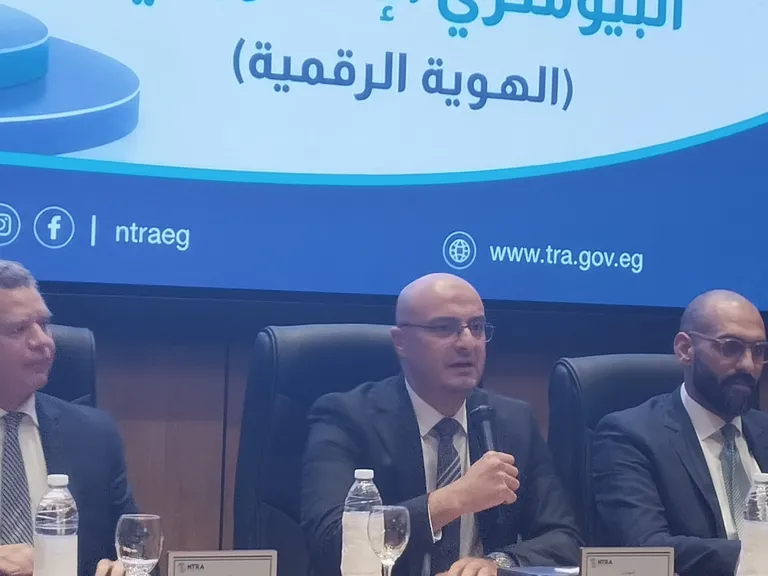
Egypt spent around 18 months building the infrastructure behind its new biometric verification system, connecting telecom networks, state identity records and electronic signatures in an effort to turn services that once required a branch visit into end-to-end digital transactions.
The project is more complex than adding facial recognition to an app. Behind the customer-facing experience is an integration between systems operated across the telecom sector, the Ministry of Interior and Egypt’s electronic signature infrastructure.
Hossam Abdel Mawla, Vice Chairman of the National Telecommunications Regulatory Authority (NTRA), said bringing those components together was one of the reasons the project required approximately a year and a half of development.
Speaking during the launch of the electronic biometric verification system, Abdel Mawla said the objective was to build a digital journey that allows citizens to verify their identity, complete the required procedure and access services remotely.
Building a transaction without the service counter
The underlying idea is to remove human intervention from as much of the service journey as possible.
Instead of presenting identification to an employee at a telecom branch or another service point, identity can be established electronically, allowing the transaction to move through connected digital systems.
Abdel Mawla said this model could significantly reduce the need for customers to visit branches and physical service centers as more transactions are added to the platform.
Telecom services are the first major use case. Egypt’s four mobile operators have been allowed to begin introducing transactions based on electronic identity verification, including services that have traditionally required customers to appear in person.
But the architecture being built around the project points to a broader objective.
Connecting identity verification with electronic signatures means a transaction does not necessarily have to stop once the system confirms who the customer is. The user could also complete the procedure and electronically sign the required documentation within the same remote journey.
That turns digital identity from a standalone authentication tool into part of the infrastructure required for fully digital services.
Why Egypt kept the technology local
The sensitivity of that infrastructure also influenced how the system was developed.
Abdel Mawla said relying on domestic systems and capabilities was particularly important because of the nature of identity verification and the citizen data involved.
According to the NTRA executive, the project did not require an external entity to handle that part of the process.
The approach reflects a wider concern around digital sovereignty as governments increasingly connect biometric identity, official records and legally binding digital transactions.
After 18 months of integration work, Egypt now has the first version of that architecture operating in the telecom market.
The bigger transformation will depend on what comes next: how quickly the same infrastructure can expand beyond its initial use cases and turn more services from processes that merely start online into transactions that can be completed without ever reaching a physical counter.