


FRA Trains Factoring Companies on New Digital Platform to Prevent Double Financing
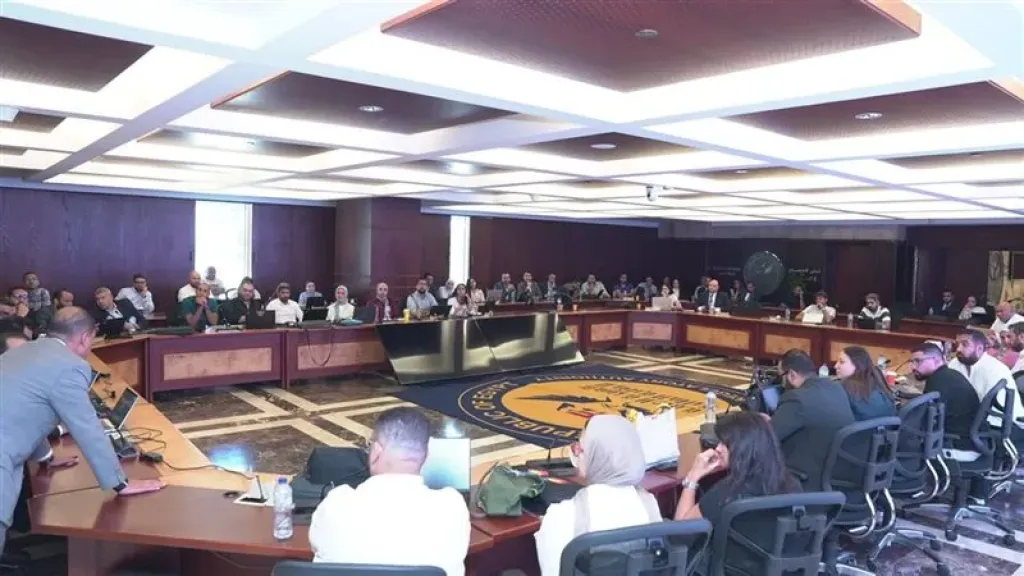
The Financial Regulatory Authority (FRA), led by Dr. Islam Azzam, organized a training session for companies engaged in factoring activities on utilizing the sector's newly dedicated digital platform, which was established in collaboration with e-finance.
The system enables companies to electronically inquire about invoices and verify whether they have been previously financed, a critical measure aimed at preventing double financing or duplicate factoring transactions.
Digital Platform Training Mechanisms
During the training, which was attended by Walid Anwar, Assistant Chairman of the FRA, representatives of factoring companies were introduced to the operational mechanisms of the digital platform. They learned how to fulfill the requirements of the FRA Board of Directors Decision No. (51) of 2026, ensuring that a single financial right is not factored more than once, and how to effectively freeze invoices in favor of the factoring company for the duration of the contract.
Company representatives also received practical training on how to include clauses in their contracts with sellers that declare the guarantee right resulting from the granted financing in the Movable Collateral Registry, in compliance with the Movable Collateral Law No. (115) of 2015 and its executive regulations.
Officials and trainers from both the FRA and e-finance addressed inquiries from company representatives regarding the tools available for handling invoices through the digital platform, as well as the protocols for communicating with relevant authorities, primarily the FRA, the Ministry of Finance, and the Egyptian Tax Authority (ETA).
System Launched in February
Dr. Islam Azzam stated that the new digital system was launched last February to mitigate the risks associated with double financing. This move contributes to enhancing the sector's efficiency, governance, and transparency levels, while also ensuring robust technical integration between market players and regulatory bodies—an approach the FRA seeks to implement across all non-banking financial activities.
Factored Documents Exceed EGP 40 Billion
Azzam highlighted the strong growth in factoring performance indicators during the first quarter of 2026 compared to the same period in 2025, noting a 48.7% surge in the value of debit balances.
The number of clients, or "assignor companies," grew from 747 to 958, marking a 28.2% increase. Meanwhile, the value of factored documents exceeded EGP 40 billion, up from EGP 29.4 billion during the same period last year.
Consolidation in Factoring Companies
The FRA official emphasized the necessity of intensifying efforts through the Egyptian Factoring Federation, in coordination with the Authority, to stimulate the sector's performance. He pointed out a slight decrease in the total number of companies licensed to practice factoring, which dropped to 39 companies during the first quarter of this year, compared to 41 companies during the same period last year, encompassing both specialized factoring firms and those practicing it alongside other financial activities.
Comprehensive Digitization Plan
Looking ahead, Dr. Azzam added that the FRA aims to further develop the electronic system to fully digitize the entire factoring process. This comprehensive plan starts with mandatory invoice inquiries during the credit assessment phase before granting finance, ensuring no duplicate factoring occurs, freezing invoices throughout the contract term, and concluding with the final settlement of dues.
He noted that this end-to-end digitization will empower companies to execute transactions rapidly and secure procedures at reduced costs within a fully integrated technological environment.
(Note: Factoring is a non-banking financial activity regulated by the FRA. It serves as a short-term financing tool designed to accelerate the cash flow cycle and improve liquidity and profitability. This is executed through a financing contract between the factor and the seller, whereby the factor purchases the current and future financial rights arising from the sale of goods and the provision of services).