


BMONI Partners with Mastercard to Launch Instant Virtual Card Issuance in Nigeria
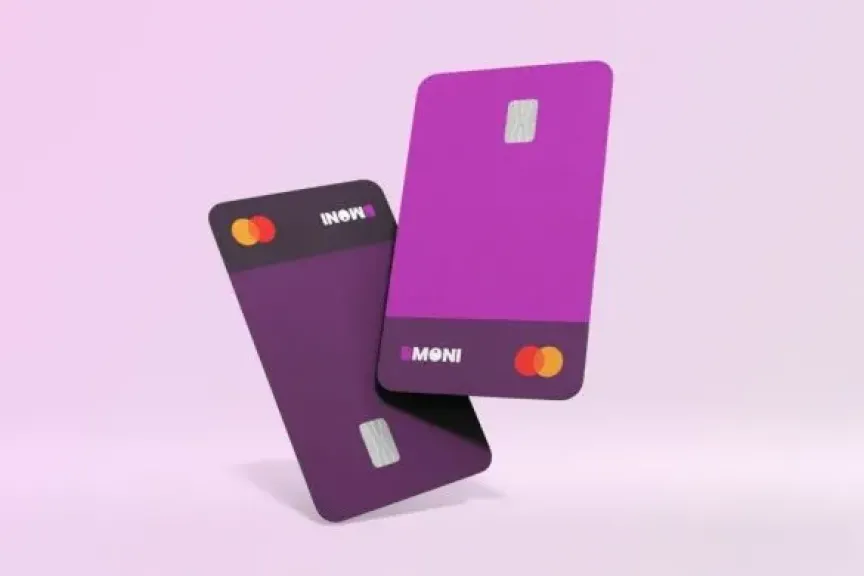
BMONI, an emerging fintech platform, has finalized a strategic partnership with Mastercard to launch a new instant virtual card issuance service for consumers in Nigeria. The initiative is engineered to accelerate financial inclusion and drive digital payment adoption within Africa's most populous economy.
Under the terms of the newly ratified agreement, users can immediately generate virtual debit cards directly through the BMONI application framework. The infrastructure enables consumers to execute online retail purchases, settle digital subscription fees, and process electronic transactions instantly, eliminating the legacy friction of waiting for physical card manufacturing, postal delivery, or traditional bank branch onboarding.
Targeting the Cash-Dominant Underbanked Demographic
The two enterprises stated that the collaborative rollout directly addresses core operational bottlenecks within the Nigerian consumer landscape, which remains characterized by restricted access to legacy brick-and-mortar banking services and a high systemic dependency on cash for daily retail clearing.
Virtual card solutions serve as a critical mechanism to scale financial access, particularly for underbanked demographics that lack conventional credit history or banking relationships. BMONI noted that integrating Mastercard’s global tokenization and processing technologies ensures that its virtual card pipeline complies with international digital security and encryption standards while offering consumers a seamless, real-time treasury management interface.
Venture Capital Influx and Regional Market Dynamics
Concurrently, Mastercard emphasized that the alliance aligns with its broader macroeconomic strategy to deepen its network footprint across high-growth emerging markets, specifically within Sub-Saharan Africa. The payment giant aims to catalyze digital commerce infrastructure by deploying flexible, high-velocity financial utilities.
The launch occurs amidst a massive expansion cycle within the Nigerian fintech landscape, heavily accelerated by surging smartphone penetration, increased mobile internet connectivity, and consumer demand for digital-first banking. This demographic tailwind has turned Nigeria into one of the primary destinations for global venture capital and technology investments in Africa, forcing local startups and international financial conglomerates to aggressively compete for digital wallet share and transaction volume through the remainder of the 2026 fiscal year.