
US Air Force Cloud One Platform Breached: What We Know About the Cyberattack and Its Potential Impact
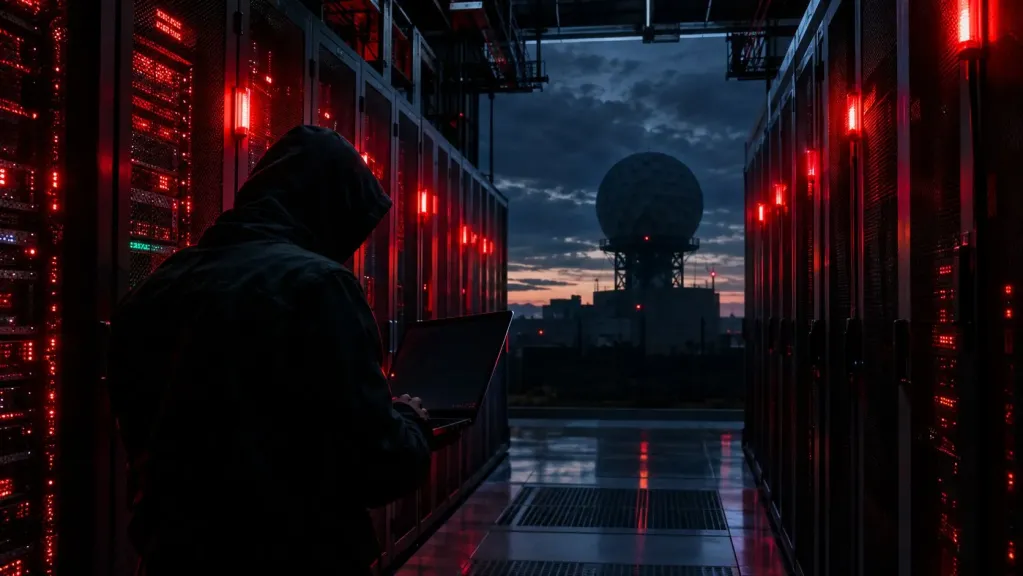
The US Air Force's flagship cloud computing platform, Cloud One, has been breached by hackers, raising concerns about the security of military digital infrastructure and the potential exposure of sensitive operational, personnel and logistics information.
Reuters reported on November 27, 2026, citing three people familiar with the incident, that the intrusion was discovered within the previous month during work to upgrade the system. The discovery triggered operational disruptions across the platform. However, Reuters could not establish who was responsible, how extensive the intrusion was or whether any information had been stolen.
The incident highlights the security challenges facing military organizations as they increasingly rely on interconnected cloud infrastructure to support critical administrative and operational functions.
How Did the Hackers Gain Access?
According to one source cited by Reuters, the attackers exploited a software vulnerability to gain access to Cloud One's control plane, the management layer responsible for overseeing cloud resources and services.
Access to this layer could potentially provide visibility into sensitive operational information, including the status of military aircraft and the movement of spare parts. One source compared the control plane to a universal remote, illustrating the level of administrative access it can provide.
However, there is no established evidence that the attackers used their access to obtain such information. Reuters also said it was unable to identify the specific software vulnerability exploited in the incident.
Investigators reportedly brought in US Cyber Command, the military's specialized cyber force, to assess the damage and investigate the breach.
What Is Cloud One and Why Is It Sensitive?
Launched in 2017, Cloud One was designed to consolidate the US Air Force's information technology resources into a unified cloud computing environment.
The platform combines services from four major technology companies: Microsoft, Amazon, Oracle and Alphabet, Google's parent company. It supports dozens of applications covering personnel records, payroll, logistics and aircraft maintenance.
Its role extends beyond administrative operations. Among the systems hosted on the platform is Cloud-Based Command and Control, which collects air defense radar information and other data feeds from across North America.
Cloud One also supports the Theater Integrated Combat Munitions System, which tracks bombs, missiles and other ammunition across more than 200 US Air Force locations worldwide.
These functions make the platform particularly sensitive because they connect administrative infrastructure with systems supporting military operations and logistics.
Operational Disruptions and the Investigation
The discovery of the intrusion reportedly disrupted several ongoing activities. According to Reuters' sources, efforts to migrate back-office applications to Cloud One were suspended, while updates to applications already operating on the platform were blocked.
The restrictions prevented Air Force personnel from applying software fixes and updates. Another source also said that administrator privileges had been revoked for some users.
These disruptions are significant because delaying software updates can complicate efforts to maintain system security, particularly when newly disclosed vulnerabilities require prompt remediation.
In a subsequent report published on November 28, the Associated Press cited an unnamed person familiar with the incident who described the breach as limited in impact, saying it had not affected mission-critical or classified systems.
The source also said that the threat had been mitigated and cybersecurity protections strengthened. These details, however, were attributed to an unnamed source rather than a comprehensive official statement from the Air Force.
What Has the US Air Force Said?
The US Air Force declined to comment on the security posture, vulnerabilities or operational status of specific networks and systems.
In a statement provided to Reuters, the service said it continuously takes measures to protect Department of the Air Force information, systems and mission capabilities.
The statement did not provide specific details about the reported intrusion, the identity of the attackers or the potential exposure of military information.
As a result, several critical questions remain unanswered, including whether the hackers accessed individual applications, viewed sensitive records or extracted any data.
What Does the Incident Mean for Cloud Security?
The Cloud One breach highlights the security risks associated with interconnected cloud environments that support multiple applications and operational functions.
Although the platform combines services from several technology providers, this multi-provider structure does not automatically eliminate risks associated with shared management systems and administrative access.
A compromise of the control plane could potentially create broader security concerns if attackers obtain sufficiently extensive privileges. However, gaining access to this layer does not necessarily mean that every application has been compromised or that its data has been stolen.
For now, the central unanswered questions concern the attackers' identity, the extent of their access and whether sensitive military or logistical information was exposed.
Until further technical findings or an official disclosure become available, the reported breach should be distinguished from its potential consequences, which remain subject to investigation.
