Planning Minister Outlines Egypt’s Economic Transformation at Oxford and Discusses Boosting British Investments
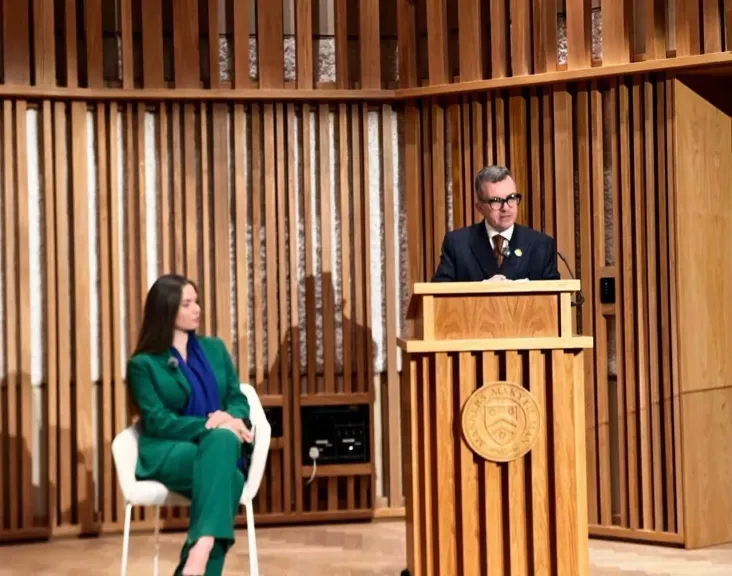
Dr. Ahmed Rostom, Minister of Planning and Economic Development, affirmed that the Egyptian economy has successfully transitioned from the stabilization phase to comprehensive economic transformation, recording a growth rate of 5.1% during the 2025/2026 fiscal year, up from 4.4% the previous year.
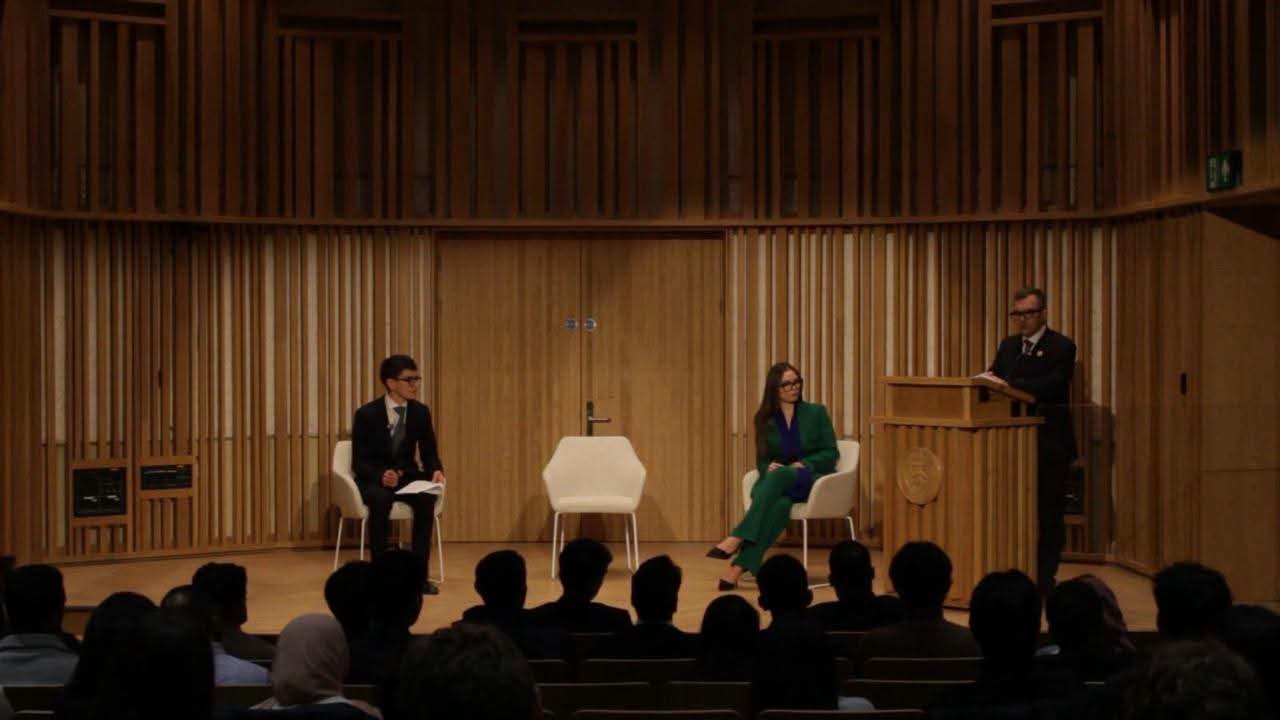
His remarks came during a panel discussion organized by the Society for Middle Eastern Studies (SOMES) at New College, University of Oxford, as part of his official visit to the United Kingdom, which also included talks with British International Investment (BII) and a meeting with Egyptian students studying there.
Productive Sector Performance and the National Transformation Program
The Minister explained that the quality of economic growth has witnessed tangible improvement; non-oil manufacturing industries topped the list of sectors contributing to growth at 9%, while the manufacturing, trade, and communications sectors collectively contributed around 48% of total growth, reflecting the growing strength of the real economy.
Rostom outlined the targets of the "National Economic Transformation Program 2027–2030," which is built on three main pillars and five priority sectors: agriculture, manufacturing, information and communications technology (ICT), tourism, and energy. He noted that these sectors currently contribute approximately 40% of GDP, 50% of real growth, and provide 40% of total jobs.
Empowering the Private Sector and Local Development
Regarding entrepreneurship, the Minister of Planning stressed that the state’s role focuses on reducing the cost of establishing companies and facilitating their expansion rather than competing with them. He pointed to the importance of the state leading investment in underserved areas while creating the legislative and regulatory environment to empower private capital, emphasizing that the private sector and youth are the primary drivers of growth.
On local development, the Minister reviewed the "Decent Life" (Haya Karima) presidential initiative, which aims to develop more than 4,500 villages and improve the quality of life for over 60 million citizens, inviting the University of Oxford to strengthen research cooperation with the ministry to evaluate the targets of the economic transformation program.
Boosting British Investments and Infrastructure Financing Guarantees
In a related context, Dr. Ahmed Rostom met with Leslie Maasdorp, Chief Executive Officer of British International Investment (BII), to discuss ways to increase the institution's investments in the Egyptian market and explore new horizons in priority sectors.
During the meeting, the Minister presented the "Infrastructure Finance Guarantee Facility" (IFGF), currently being developed in partnership with the World Bank Group to mitigate investment risks, attract private capital, and provide long-term local currency financing for priority development projects.
Open Dialogue with Egyptian Students at Oxford
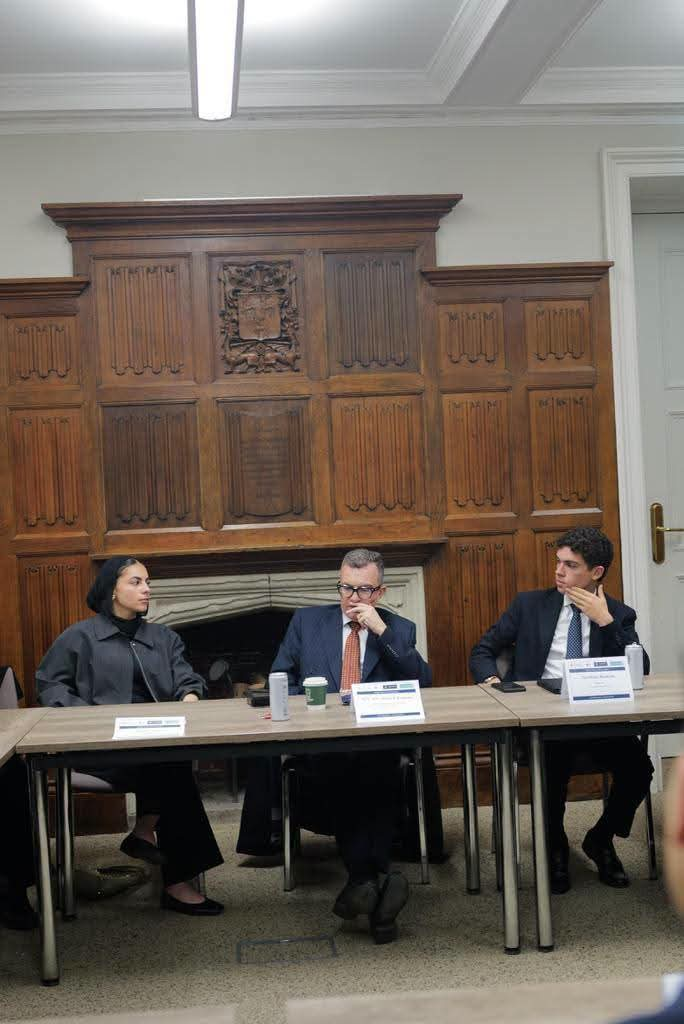
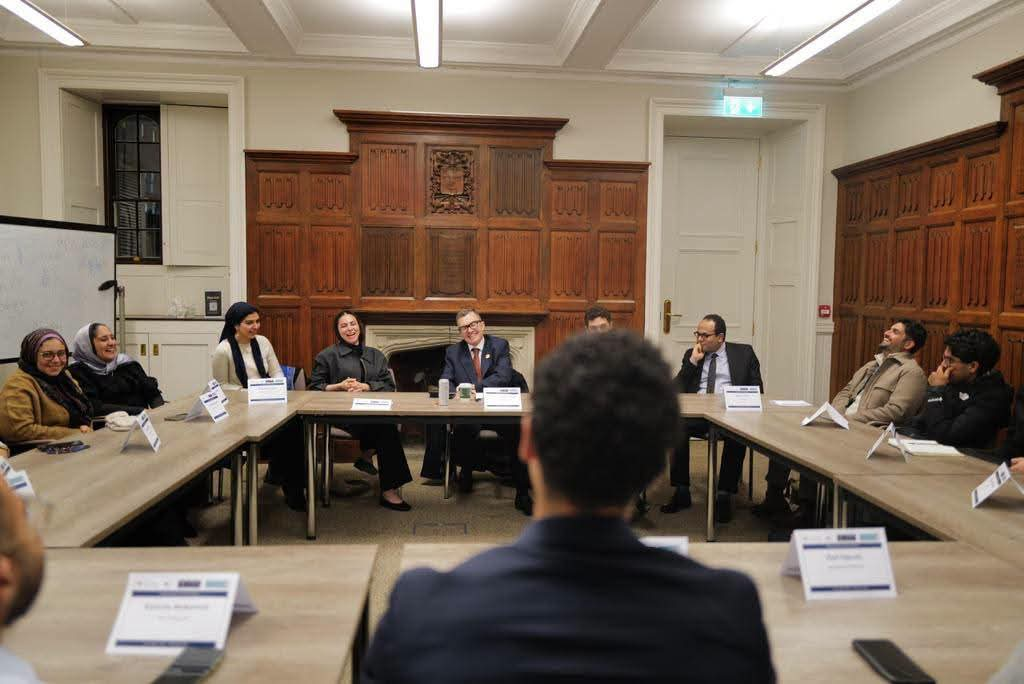
The Minister concluded his engagements by meeting with the Oxford Egyptian Society, attended by more than 20 students across medical, engineering, and finance disciplines, alongside students from Libya and Saudi Arabia. He outlined the state's vision for youth empowerment and the efforts of the Ministerial Committee for Entrepreneurship, inviting student entrepreneurs to connect directly with the relevant ministers for support.