
InfluAnswer Arabia: MENA Creators Put Brand Reputation and Authenticity Ahead of Reach
Content creators across the Middle East and North Africa are increasingly prioritizing trust, authenticity and community engagement, according to the third edition of the InfluAnswer Arabia report released by Weber Shandwick in partnership with 7awi Media Group.
The study found that 72% of creators consider strengthening community ties during uncertain times an important part of their role, highlighting how their influence is expanding beyond content production and commercial partnerships.
Brand Reputation and Creative Freedom Shape Partnerships
For the third consecutive year, personal belief in a brand remained the leading factor influencing creators’ partnership choices, with 54% identifying it as a priority. Brand reputation followed at 48%.
Creative freedom also gained ground, rising to 42% from 24% in the previous year. Meanwhile, financial compensation fell outside the top three considerations for the first time since the report was launched in 2024.
Creative Quality Matters More Than Audience Size
The findings indicate that creators believe brands are increasingly interested in the quality and value of their work rather than simply their reach.
Some 69% said brands approach them because of the creativity and quality of their content, while 61% pointed to their specialist knowledge or distinctive authenticity. By comparison, only 35% believe brands are mainly attracted by their follower numbers and visibility.
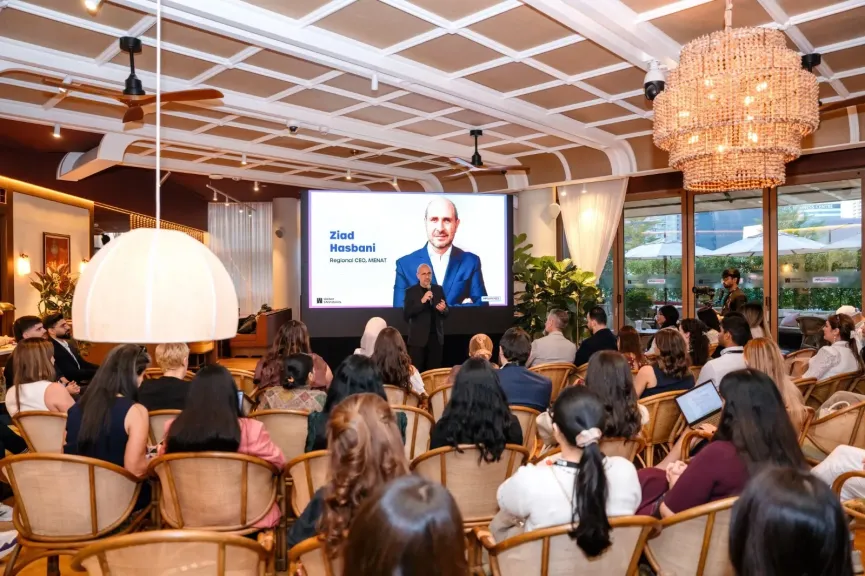
Ziad Hasbani, Regional CEO of Weber Shandwick MENAT, said brand reputation now carries more weight with creators than the financial value of a deal. He also highlighted their growing role in bringing communities closer together during challenging times.
Anas Abbar, CEO of 7awi Media Group, noted that the creator industry combines human talent with technology, original ideas, audience reach and algorithms. He said the report offers brands a clearer understanding of how creators in the region view these dynamics.
AI Boosts Creativity While Challenging Authenticity
Creators’ attitudes toward artificial intelligence have shifted over the past three years. In 2026, 56% said AI helps improve creativity, content quality and production speed.
However, as AI-generated content becomes harder to distinguish from human-made material, new concerns are emerging. Around 32% said AI is prompting them to rethink the meaning of authenticity, while 44% believe it is contributing to greater distrust, confusion or misinformation.
Social Commerce Faces a Trust Challenge
Brand collaborations and sponsorships remain the primary source of income for most creators, but the report points to a significant shift in social commerce.
Approximately 40% of respondents are concerned that excessive commercial content could weaken audience trust. In contrast, 41% believe deeper commercial integration helps creators receive more appropriate recognition for the value they deliver.
The study also found that 65% believe institutions, the public and brands still do not fully understand the work carried out by content creators.
Regional Markets Reveal Different Creator Priorities
The report highlights distinct perspectives across MENA markets. In the UAE, 53% of creators described their industry as advanced.
In Saudi Arabia, 46% selected TikTok as the platform they would miss most if it disappeared, compared with 24% who chose Instagram.
In Qatar, 74% emphasized the importance of reciprocity, saying they are inclined to support brands that have previously supported them.
The Creator Industry Is Moving Toward Two Models
Looking ahead, creators expect the market to develop along two different paths. One is focused on automated content production at scale, with 34% expecting brands and platforms to generate quality content that is ready to publish.
The other centers on human-created content, which requires more time and effort but is expected by 32% of respondents to command premium fees.
For the first time, the report also introduces a “Majlis of Creator Personas,” featuring eight creator profiles, including the Tastemaker, Educator, Community Leader and Storyteller. These personas reflect the identities creators most associate with and provide practical guidance for brands on how to brief and collaborate with different creator types.
