
Egypt”s Digital Payments Future: InstaPay, Meeza and Card Tokenization Transform Consumers, Merchants and Banks
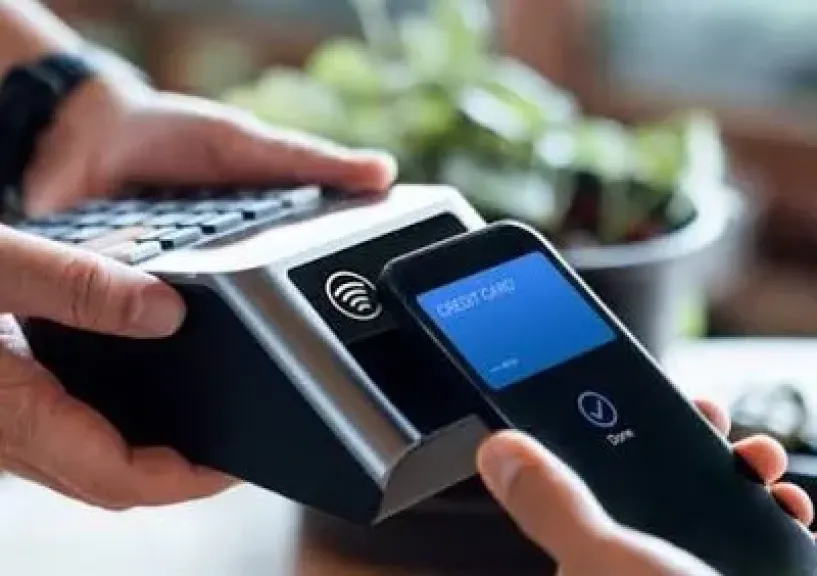
Egypt's digital payments market is entering a new phase as instant bank transfers, mobile wallets, national payment cards and smartphone-based contactless services become increasingly integrated into everyday financial transactions. The expansion of InstaPay, Meeza and mobile wallet services, alongside the introduction of card tokenization for Android devices, is changing how consumers pay, how merchants collect money and how banks compete for digital customers. The developments are also advancing the Central Bank of Egypt's efforts to reduce reliance on cash and expand financial inclusion.
InstaPay Drives Instant Payment Growth
Figures announced by Central Bank of Egypt (CBE) Deputy Governor Rami Aboulnaga on November 8, 2026, showed that transactions through Egypt's Instant Payment Network (IPN) and InstaPay exceeded 2.4 billion, with a combined value of approximately EGP 7 trillion through September 2026. Registered users surpassed 24 million during the same period.
Launched on March 22, 2022, the IPN connects banks operating in Egypt and enables customers to transfer money instantly, around the clock, including weekends and public holidays. InstaPay allows users to link multiple bank accounts through one application and transfer funds to bank accounts, Meeza cards and mobile wallets. It also supports bill payments, balance inquiries and QR-code transactions.
These capabilities have positioned instant payments as an increasingly important channel for everyday financial activity, extending beyond traditional person-to-person transfers.
Meeza and Tokenization Bring Payments to Smartphones
Card tokenization is becoming an important component of Egypt's digital payments infrastructure. The technology replaces sensitive payment card details with unique digital tokens, reducing the exposure of actual card information during transactions.
On November 24, 2026, Egyptian Banks Company for Technological Advancement (EBC) announced the launch of Tap & Pay, a tokenized payment service for Meeza cardholders using Android smartphones. Initially available through the mobile banking applications of Banque Misr and the National Bank of Egypt, the service enables eligible customers to make contactless payments at compatible point-of-sale terminals.
Users need an eligible Meeza card and an Android smartphone equipped with Near Field Communication (NFC) technology. Transactions can be authenticated through device security features, including PINs and biometric identification.
The launch builds on the CBE's December 2024 introduction of payment card tokenization on mobile applications and the activation of Apple Pay in Egypt, expanding smartphone-based payment options.
Mobile Wallets Expand Their Market Reach
Mobile wallets are another major pillar of Egypt's digital payments ecosystem. According to figures announced by the CBE's deputy governor, the number of mobile wallets reached 67 million through September 2026, while transaction values exceeded EGP 4 trillion.
These services allow customers to send and receive money, pay bills, recharge mobile balances and make merchant payments. They can also provide access to selected financial services without requiring users to maintain conventional bank accounts, making them particularly relevant to financial inclusion efforts.
The expansion of mobile wallets alongside instant bank transfers reflects the growing diversity of digital payment channels available to Egyptian consumers.
What Digital Payments Mean for Consumers and Merchants
For consumers, the growing range of payment options offers greater convenience, faster transfers and less dependence on cash or physical bank cards. Smartphone-based contactless payments also make in-store purchases easier, provided customers have compatible devices and eligible cards.
However, adoption will depend on reliable internet and telecommunications services, transparent fees, accessible customer support and effective procedures for resolving failed transactions and unauthorized payments.
For merchants, digital payments can reduce cash-handling costs, simplify collections, improve transaction records and provide access to a wider customer base. The CBE is also supporting merchant adoption through Soft POS technology, which allows compatible smartphones and tablets to function as electronic payment acceptance terminals, reducing the need to purchase and maintain traditional POS equipment.
Banks Face a Changing Competitive Landscape
The expansion of digital payments is pushing banks to improve their mobile applications and offer more integrated financial services. Tokenization also allows banks to maintain direct relationships with customers by providing contactless payment capabilities through their own banking applications.
At the same time, banks must invest in cybersecurity, fraud prevention, digital infrastructure and customer protection as transaction volumes increase.
The growing role of financial technology companies is adding another competitive dimension, encouraging banks to develop partnerships and improve the speed and quality of their digital services.
Security and Accessibility Will Shape the Next Phase
Despite strong adoption, Egypt's digital payments ecosystem faces challenges, including online fraud, social engineering, limited digital awareness, differences in technology access and the need for interoperability between banks, wallets and payment networks.
The next phase is likely to involve closer integration between instant transfers, digital cards, mobile wallets and contactless payment services. Competition will increasingly focus on transaction security, affordability, merchant acceptance and ease of use.
The extent to which these developments reshape Egypt's financial landscape will depend not only on technological innovation, but also on the ability of banks, payment providers and regulators to deliver reliable, accessible and secure services across the country.
