
Jensen Huang’s Return Sends Nvidia Shares Surging 31.5%, Reviving Wall Street’s AI Sector
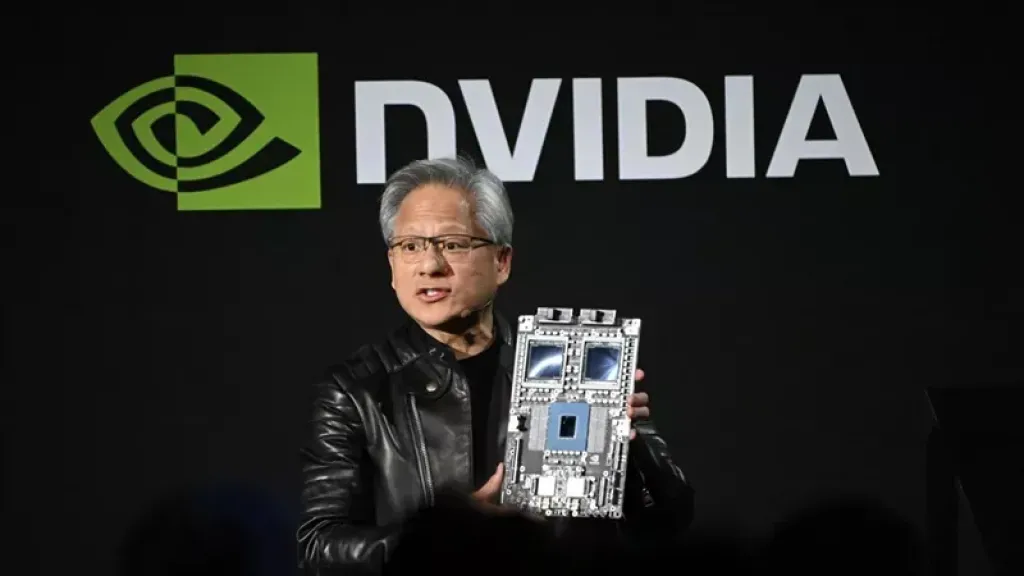
Shares of Nvidia recorded a massive surge of over 31.5% in pre-market trading on Wall Street on Monday, immediately following the company's announcement that founder Jensen Huang is returning as Chief Executive Officer with immediate effect. The move marks an unexpected turnaround that strongly restored investor confidence and injected fresh momentum into artificial intelligence (AI) stocks.
Allaying Investor Concerns and Restoring Liquidity
The decision to reinstate Huang comes at a critical juncture as Nvidia faces mounting questions over the future of AI spending and the sustainability of demand for its advanced processing chips—particularly after his previous sudden departure sparked market anxiety regarding the company's strategic direction. His return positively shifted investor sentiment toward the tech sector, with liquidity flowing back into AI-linked companies and ending a week of sharp volatility across U.S. markets driven by concerns over massive capital expenditures on infrastructure and their return on investment.
Broad Rally Across Chipmakers and Data Centers
The rally was not limited to Nvidia; gains spilled over to major semiconductor giants in pre-market trading. Micron Technology shares climbed 17.3%, AMD rose by roughly 10.5%, and Broadcom posted gains of 5%.
Concurrently, shares of AI infrastructure and data center companies saw a notable rebound. Nebius led the pack with a 31% leap, followed by CoreWeave at around 29%, and IREN at 26%. Applied Digital and Core Scientific also advanced by 23% and roughly 18%, respectively.
Behind the Scenes: Pressures Preceding the Decision
Huang’s return to the helm follows a period of intensifying pressure tied to U.S. President Donald Trump’s stance, alongside circulating unverified reports alleging extramarital personal relationships, including claims of a connection with an individual suspected of ties to Chinese intelligence. These factors, coupled with fears of an AI spending slowdown following the U.S. midterm elections, had weighed heavily on the sector's performance throughout the past week.
