Nestlé Egypt Chairman: Tech Investment Grants Companies a Long-Term Competitive Edge.. 39% of Job Market Skills to Shift by 2030
Tarek Kamel, Chairman and Managing Director of Nestlé Egypt and Sudan, and Vice President of Sales for Nestlé in the Middle East and North Africa (MENA), stressed the need not to limit the evaluation of technology investments solely to immediate financial returns. He explained that while results may take time to materialize, tech investment establishes a sustainable competitive advantage for companies in the long run.
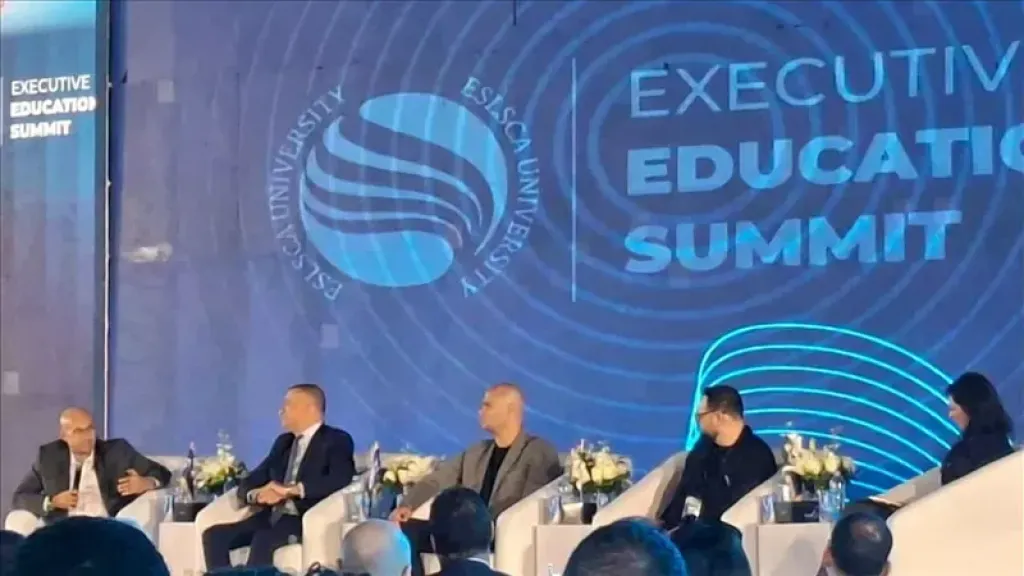
Speaking during a panel discussion at the fourth edition of the Executive Education Summit 2026, organized by ESLSCA University Egypt, Kamel noted that the rapid pace of technological advancement is prompting institutions to reshape their investment strategies. He indicated that he favors smaller-scale investments, even if they yield lower returns, to avoid the risks of pumping massive capital into technologies that could quickly become obsolete due to successive changes.
Tech Shifts Reshape Capital Allocation Priorities
Kamel stated that determining investment sizes and capital allocation represent a complex challenge for corporate leaders, given the potential for sudden shifts that could render certain investments unviable against evolving market needs.
He mentioned that he places Return on Investment (ROI) and Payback Period indicators at the forefront of his priorities when studying investment decisions. He called for continuous future planning paired with sufficient flexibility to adjust paths according to new developments, affirming that there is no fixed ratio for distributing investments, as they remain subject to fluctuating conditions and business requirements.
39% of Workforce Skills Threatened by Change by 2030
In a related context, Kamel revealed that research estimates point to a shift in approximately 39% of the skills currently required in the job market during the period from 2026 to 2030.
He clarified that these radical transformations mean a significant portion of accumulated experience and knowledge will not be sufficient to keep pace with future demands, even among professionals with long-standing career paths.
Comprehensive Reskilling Outweighs Traditional Upskilling
The Chairman of Nestlé Egypt affirmed that the focus is no longer limited to enhancing existing skills (Upskilling), but now centers on retraining employees to acquire entirely new skills (Reskilling), in line with the changing nature of jobs and corporate tools.
He highlighted the importance of focusing on core skills and strengthening the role of executive education institutions and training programs in absorbing market shifts. Kamel noted that the need for reskilling encompasses senior leaders and seasoned professionals alongside fresh graduates, pointing out that some companies continue to rely on legacy systems despite technological breakthroughs, reflecting the scale of challenges in keeping pace with change.