Egypt’s Higher Education Ministry Announces Five Winning Tech Startups in Innovation and Entrepreneurship Program
Egypt’s Ministry of Higher Education and Scientific Research has announced five winning technology projects following the conclusion of a pre-incubation program designed to encourage innovation and entrepreneurship and transform research-based ideas into emerging technology businesses.
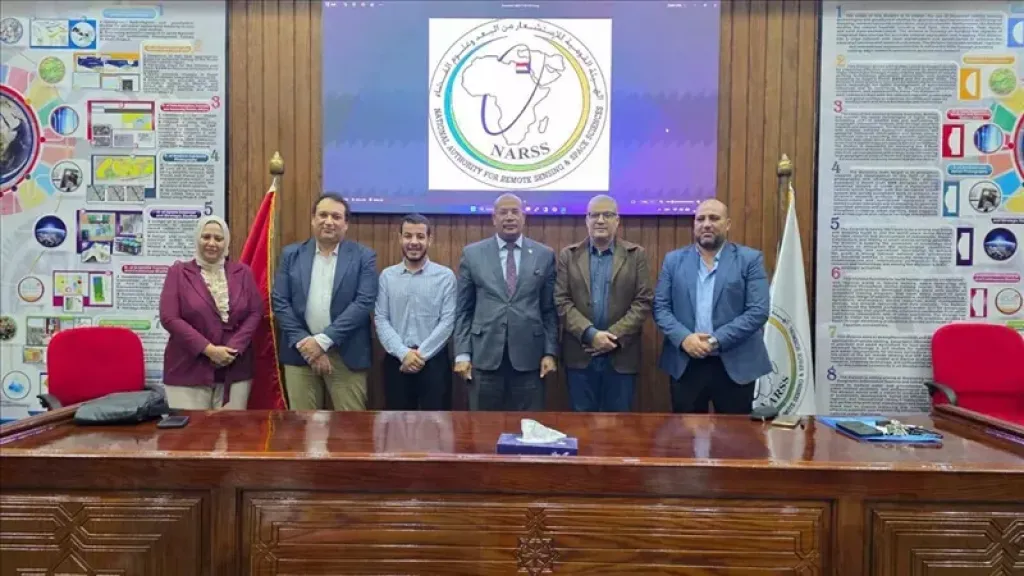
The winning projects cover healthcare, space technology, logistics, agriculture, and cultural heritage. They were selected during the final Demo Day hosted by the National Authority for Remote Sensing and Space Sciences, headed by Dr. Abdelaziz Belal.
The initiative supports the ministry’s efforts to connect scientific research outcomes with industry and community needs, while advancing the objectives of the “Innovation Nation” initiative, which falls within the recommendations of Egypt Forum 2026.
Pre-Incubation Program Supports Egyptian Technology Ventures
The program was implemented by the Remote Sensing and Space Sciences Business Incubator, with funding from the Academy of Scientific Research and Technology, under the national technology incubators program “Intilac.”
Dr. Abdelaziz Belal explained that the pre-incubation program is one of the authority’s mechanisms for supporting technological innovation. It helps entrepreneurs develop viable business models, understand market requirements, and improve their projects’ opportunities to reach potential users.
He added that the diversity of participating projects demonstrates the ability of young Egyptian innovators to apply modern technologies to practical challenges across different sectors.
During the final event, participating teams presented their technological solutions and business models to the judging panel, which examined their feasibility and potential for expansion.
Judging Panel Evaluates Innovation and Market Potential
The judging committee included Dr. Mohamed Aboul-Ghar, Head of the Agricultural Applications Division; Dr. Ghada Atta, Head of the Training Division; Dr. Sameh El-Kafrawy, Head of the Marine Sciences Department; and entrepreneur and innovation expert Tamer Ahmed.
Projects were assessed according to several criteria, including innovation, technical and economic feasibility, practical applicability, growth and expansion opportunities, and their ability to address market and community needs.
Five Winning Projects Deliver Solutions Across Key Sectors
The selected projects represent a range of technological applications:
- ZUHR: A healthcare technology project featuring a smart device designed to improve body posture and help reduce back pain.
- Mag-ATLaES: A space technology system for controlling satellite orientation, with the aim of reducing energy consumption and costs.
- Geo-Spatial WMS: A logistics solution that manages warehouses through geospatial technologies and thermal analysis.
- Nabta: An agricultural technology solution that supports irrigation system management using remote sensing technologies.
- CAESAR: A heritage preservation project that documents archaeological sites and cultural heritage through 3D modeling technologies.
Preparing Innovative Teams for Market Entry
Dr. Ghada Ali El-Khodary, the project’s principal investigator and director of the Remote Sensing and Space Sciences Business Incubator, stated that the program was designed to help participating teams move beyond the idea stage and establish sustainable technology ventures.
She explained that the training covered business model development, market research, competitor analysis, marketing strategies, financial planning, and pitching techniques for presenting projects before evaluation committees.
El-Khodary stressed the importance of maintaining technical and advisory support for promising teams and strengthening cooperation opportunities with research institutions and industrial sectors to help transform their innovations into market-ready solutions.