El Sewedy National Plans EGP 1 Billion Investment in 2027, Targets EGP 6 Billion in Sales
El Sewedy National, a subsidiary of El Sewedy Electric Group, plans to invest EGP 1 billion in 2027 as part of its expansion strategy, targeting sales of EGP 6 billion, up from approximately EGP 4 billion currently.
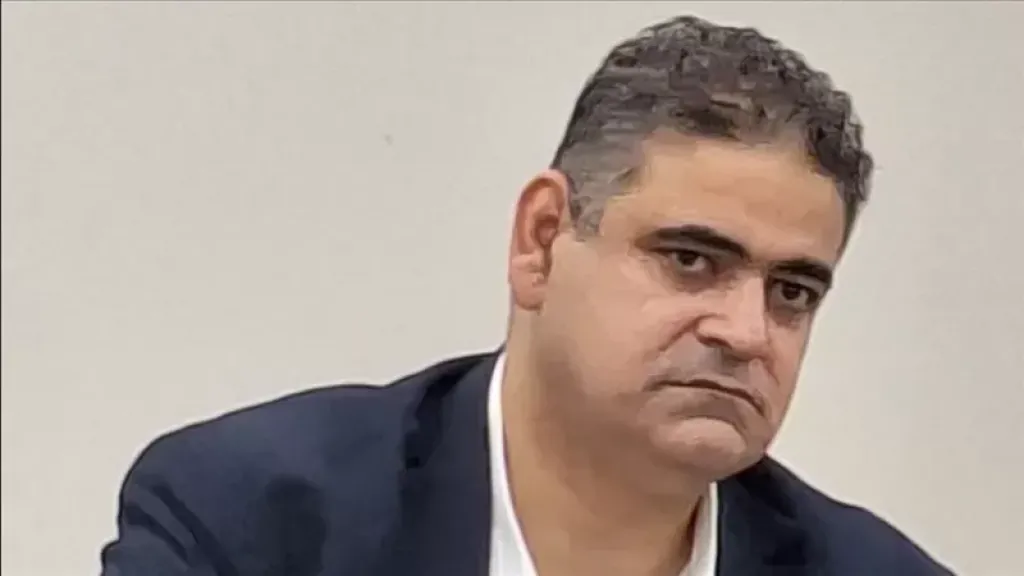
Speaking during a tour of the company's factory, Tamer Nafea, CEO of El Sewedy National, said the company aims to increase sales by 50%, supported by manufacturing expansion, product diversification and higher exports.
Nafea added that the company is targeting expansion into around 40 African countries, in addition to markets across the Balkan region. It has already entered Sudan, Libya and Algeria, while working to access the markets of the Democratic Republic of the Congo and Zimbabwe. He noted that the company is also focusing on markets serving landlocked countries, highlighting its centers in Tanzania, which provide coverage for five landlocked nations.
Annual Output Reaches 2,400 Delta Pivot Irrigation Systems
Nafea said El Sewedy National produces approximately 2,400 DELTA PIVOT SN-100 center-pivot irrigation systems annually, allocating half of its output to exports and the other half to the domestic market. The company also manufactures around 3,000 metal towers each year.
Over the past three years, the company has supplied approximately 5,000 center-pivot irrigation systems to meet the needs of national agricultural projects. Each unit was priced at around $52,000, compared with $86,000 in international markets, generating estimated savings of $170 million and helping reduce project implementation costs while supporting domestic manufacturing.
DELTA PIVOT is described as Egypt's first locally manufactured center-pivot irrigation system built to international specifications. It can reduce water consumption by up to 60% compared with traditional irrigation methods and increase agricultural productivity by as much as 20%. The system also allows irrigation operations to be controlled and monitored remotely through an electronic application.
The standard unit consists of seven spans and can cover an area of approximately 125 feddans, supporting land reclamation initiatives and agricultural expansion.
Local Content Accounts for 70% of Products
The CEO said locally manufactured components account for approximately 70% of the company's products. El Sewedy National is working to raise this share through its research and development team, which studies opportunities to localize additional components and improve product designs.
He explained that reaching 100% local content remains challenging due to the nature of certain components and manufacturing requirements. Nevertheless, the company aims to gradually increase the current percentage and reduce reliance on imported production inputs.
70% Market Share in Major Egyptian Projects
Nafea revealed that El Sewedy National holds around 70% of the market share in major projects in Egypt, supported by the expansion of local manufacturing and its role in supplying national and development projects.
He pointed out that electricity companies continue to rely heavily on imported equipment and supplies. Against this backdrop, the company aims to bridge the gap between domestic production and the electricity sector's requirements while increasing exports.
Its product development plans include electricity transmission towers, telecommunications towers, various types of poles and metal structures, with the aim of introducing these products to international markets.
Nafea noted that local supply of the poles, towers and equipment targeted for expansion stood at zero in 2020 and 2021, when the market relied entirely on imports. The growth of local manufacturing has since provided domestic alternatives, enabled major projects to source products in Egyptian pounds, reduced import needs and helped address supply gaps in the electricity and telecommunications sectors.
Export-Led Strategy for International Expansion
The company's international expansion strategy begins with exporting finished products to assess demand, market capacity and expected investment returns before considering the establishment of new factories or partnerships with local businesses.
Nafea said overseas investment decisions also take into account each country's regulatory requirements, security and stability conditions, the ability to transfer profits and repatriate capital, as well as the economic feasibility of proposed projects.
Industrial Complex Spans 240,000 Square Meters in Ain Sokhna
El Sewedy National's industrial complex is located in the Sokhna 360 industrial zone within the Suez Canal Economic Zone. Covering 240,000 square meters, the facility employs more than 500 engineers and technicians.
Its product portfolio includes center-pivot irrigation systems, electric resistance welded steel pipes (ERW), pipes for firefighting and water transportation networks, electricity and telecommunications towers, metal structures and poles, irrigation system components and spare parts, as well as hot-dip galvanizing services.
The complex operates under a partnership model between the National Service Projects Organization and El Sewedy Group, which is responsible for management and operations. The partnership aims to leverage technical, technological and administrative expertise to develop industrial capabilities and localize engineering products.
Egypt's Largest Galvanizing Bath
The facility houses what the company describes as Egypt's largest galvanizing bath, designed to accommodate large iron structures and metal components, allowing them to be galvanized locally for major industrial and engineering projects.
The galvanizing plant covers 14,000 square meters and includes 12 pre-treatment tanks, with an annual production capacity of up to 60,000 tonnes.
Company officials said galvanizing can protect metal structures for up to 50 years, depending on the thickness of the zinc coating and the technical specifications applied. The process helps prevent rust and corrosion and extends the operational lifespan of metal structures.
They explained that galvanizing requires transporting poles and structures to designated tanks for immersion, meaning the process cannot be carried out while poles remain installed at their operating sites. Regarding maintenance of existing electricity towers, the company's current activities focus on supplying new products, and it has not yet received requests from relevant authorities to carry out maintenance work on towers already in operation.
Quality, Occupational Safety and Environmental Compliance
El Sewedy National applies an integrated system covering quality management, occupational health and safety, and environmental requirements. The system includes worker protection protocols, regular inspections and ongoing operational monitoring.
The company holds ISO 9001 certification for quality management systems and ISO 45001 certification for occupational health and safety management. Its operations are also subject to independent external audits every three months to verify compliance with operational, quality and safety standards.
Environmental monitoring includes daily measurements of emissions and vapors generated by industrial processes, particularly those associated with galvanizing tanks, using dedicated measuring equipment to ensure compliance with permitted environmental limits. The company also enforces a zero-tolerance policy toward violations of safety and environmental requirements.