Egypt to Launch Digital Export Subsidy Platform with Direct Bank Integration Within Six Months
Egypt is preparing to launch a comprehensive digital platform for the Export Development Fund within less than six months, aiming to digitise document and invoice submissions, streamline export support payments and establish direct electronic integration with the Ministry of Finance, customs authorities and the banking sector.
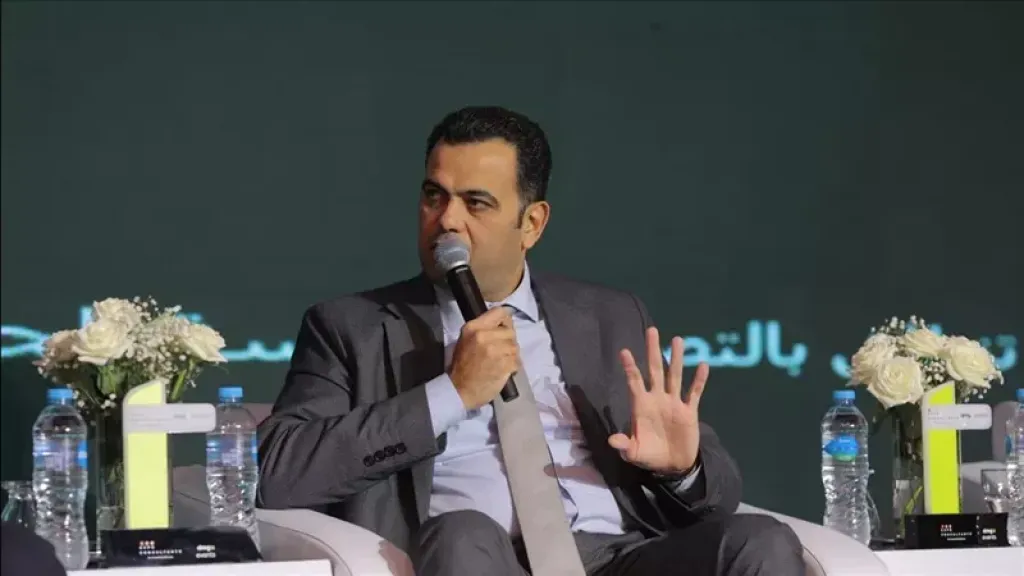
Hatem El-Nawawy, Head of the Export Development Authority and Chairman of the Export Development Fund, announced that a contract had been finalised with a major company to develop the platform. He said the system would enable payment orders to be sent directly to banks, reducing the time and procedures required for exporters to receive their dues.
The announcement came during his participation in the fourth edition of the “Future of Egyptian Exports: Reality and Prospects” conference, organised by DMG Events and Expo Consultants Global under the auspices of the Ministries of Industry and Investment and Foreign Trade. El-Nawawy presented the new export burden rebate programme alongside plans for digital transformation and improvements to exporter support services.
Cabinet Approves New Export Rebate Programme
El-Nawawy revealed that the Cabinet officially approved the new export burden rebate programme last Thursday, describing it as a major practical outcome of efforts to develop Egypt’s national export system.
He explained that the programme was designed following extensive studies, consultation sessions and discussions with export councils to gather companies’ views, identify opportunities and address challenges facing Egyptian exports.
The preparation process also included an assessment of previous programmes and the extent to which companies benefited from export support. It took into account current geopolitical developments and their impact on shipping and insurance costs, as well as customs tariffs imposed by certain foreign markets, including the United States.
Simplifying procedures is one of the programme’s main priorities. The plan seeks to reduce the number of authorities exporters must deal with when submitting support applications and make the payment process easier, lowering administrative burdens and allowing businesses to focus on production and export activities.
Incentives to Expand Export Markets and Increase Participation
The strategy approved by the Cabinet aims to achieve Egypt’s export targets by 2030 through two parallel growth paths.
The first is vertical growth, which involves deepening and increasing exports by existing companies. The second is horizontal growth, focused on expanding the exporter base by bringing new manufacturers and businesses into the export system.
The programme also includes incentives and facilitation measures to help companies enter new and more distant markets. These destinations are viewed as strategic alternatives that can diversify export markets and reduce reliance on specific destinations amid fluctuations in European and regional markets.
El-Nawawy stressed that eligibility for export support will be based on a company’s readiness and qualification for exporting, rather than its size. The approach is intended to enable businesses and factories of different sizes to access international markets and increase their contribution to Egyptian exports.
Digital Platform to Automate Export Support Payments
The new platform will allow exporters to upload documents and invoices electronically without visiting the fund’s offices or submitting original paper documents. This is expected to replace traditional procedures and reduce the accumulation of physical files.
It will also be directly integrated with the digital platforms of the Ministry of Finance, customs authorities and the banking sector, enabling payment instructions to be transmitted straight to banks and accelerating the disbursement of export support dues.
Exporters’ Payment Waiting Period Reduced to Three Months
Addressing outstanding applications, El-Nawawy said the fund had faced challenges caused by the accumulation of millions of paper files and overlapping procedures related to older initiatives covering dues predating July 1, current claims and allocations received from the Ministry of Finance.
The fund has been conducting regular reviews and inventories of remaining files to control the backlog and speed up payments. He said these efforts had helped stabilise the process, with companies now waiting no longer than three months to receive their dues.
Export Development Authority Branches Expand Exporter Support
El-Nawawy also highlighted the role of the authority’s branches as service centres for exporters. They provide technical assistance and coordinate with government institutions inside and outside the Ministry of Investment and Foreign Trade, including the Ministries of Industry and Finance and the Commercial Representation Service.
The branches work to prepare producers and manufacturers for exporting, introduce them to opportunities in foreign markets, and guide companies towards international exhibitions and training and qualification programmes.
AI-Powered Platform to Analyse Global Markets
The authority is also developing another digital platform powered by artificial intelligence to provide exporters and manufacturers with comprehensive market studies.
Users will be able to access these studies by entering the product’s Harmonized System code, or HS Code. The platform is intended to analyse data, identify export opportunities and determine suitable international markets for each product, helping businesses make more informed decisions about overseas expansion.
El-Nawawy concluded by stressing the importance of continuing to improve export support programmes, advance digital transformation and expand participation in specialised international exhibitions as key tools for opening new markets to Egyptian products and increasing national exports.