
Smart Home Devices Guide: How to Turn Your House into a Smart Home on a Budget, One Step at a Time
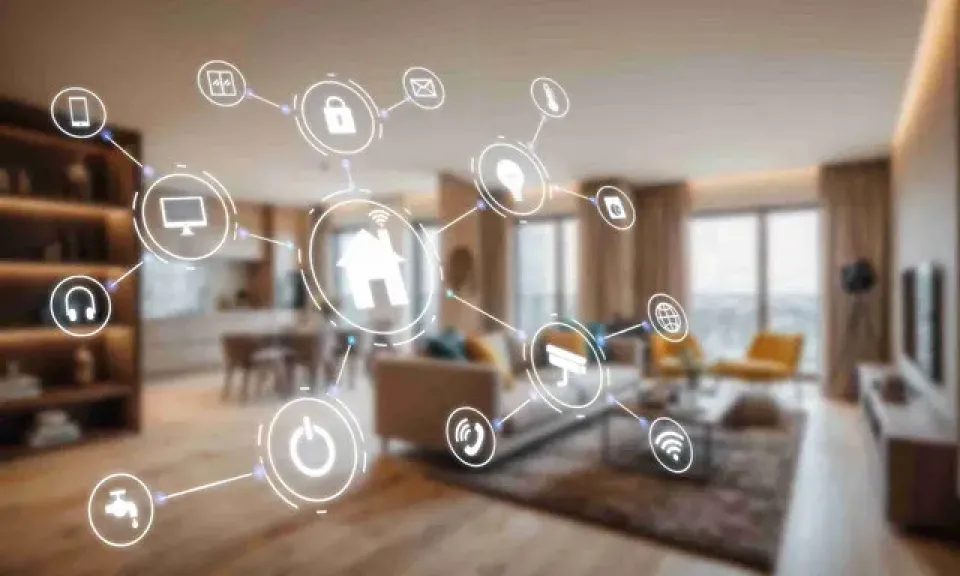
Turning a conventional house into a smart home no longer requires expensive equipment, complicated installations or a complete electrical renovation. Homeowners can now introduce smart home technology gradually, starting with affordable devices that allow them to control lighting, electrical appliances, air conditioning and security systems through a smartphone or voice commands.
A smart home connects compatible devices through the internet or wireless communication protocols, allowing users to operate appliances remotely, schedule automated actions and monitor certain household activities. This approach offers greater convenience, improved control over electricity consumption and additional home security options without requiring a large initial investment.
Essential Smart Home Devices for Beginners
Smart plugs are among the easiest and most affordable ways to begin building a connected home. They connect to conventional electrical outlets and allow users to switch compatible appliances on or off through a mobile application. They can also schedule operating times, making them useful for lamps, fans and selected small household appliances. Users must ensure that connected appliances do not exceed the plug's rated electrical capacity.
Smart bulbs offer another straightforward upgrade. They allow users to control lighting remotely, adjust brightness and, depending on the model, change colors. Some products also support automated schedules, allowing lights to turn on or off at predetermined times. However, conventional wall switches must generally remain switched on for smart bulbs to maintain their connection.
Smart switches provide an alternative for households seeking to automate entire lighting circuits rather than individual bulbs. They can be controlled through mobile applications or voice assistants while retaining manual operation. Installation requirements vary, and some models require a neutral wire, making an electrical compatibility check important before purchasing.
Controlling Air Conditioning and Household Appliances
Smart infrared controllers (Smart IR Controllers) can turn a smartphone into a centralized remote control for compatible air conditioners, televisions and other infrared-operated appliances. Depending on the model, users can switch devices on or off, adjust air-conditioning settings and manage several appliances through one application.
Smart speakers are another optional addition. Devices compatible with Amazon Alexa or Google Home allow users to operate connected equipment through voice commands. However, buying a smart speaker does not need to be part of the initial investment. It can be added later when the household has enough compatible devices to benefit from voice control.
Smart sensors also provide practical functions. Motion detectors, door and window sensors, and water-leak detectors can send notifications to smartphones when they detect movement, an opened entrance or water leakage. These devices can improve household monitoring, particularly when family members are away.
Choosing the Right Smart Home Technology
Three important technologies in this market are Wi-Fi, Zigbee and Matter.
Wi-Fi devices connect directly to a home router, making them relatively easy to install without requiring a separate hub in many cases. However, adding numerous connected devices may increase the demands on a basic wireless network.
Zigbee uses a low-power wireless communication protocol and generally requires a compatible hub to coordinate connected devices. It can be particularly useful when expanding a smart home with multiple sensors and automated functions.
Matter, meanwhile, is designed to improve compatibility between smart home products and different platforms, including Amazon Alexa, Google Home and Apple Home. Nevertheless, buyers should check whether both the device and their chosen platform support the required features. Some Matter devices using Thread also require a compatible Thread border router.
A Four-Stage Plan for Building a Smart Home
A budget-friendly approach involves dividing the project into four stages.
The first stage is to purchase one smart plug or smart bulb and learn how to operate it through its application. The second involves introducing smart switches and infrared controllers for air conditioners and televisions.
During the third stage, homeowners can install motion detectors, door and window sensors, and water-leak detectors. The fourth stage can include a smart speaker or central hub to manage compatible devices through a unified platform.
Smart Home Costs in Egypt
The overall investment depends on the number of devices, their brands, communication technologies and installation requirements.
Available Egyptian retail listings provide an indication of the market. Some smart bulbs are listed from approximately EGP 525, while smart plugs range from around EGP 800 to EGP 1,750. Selected smart switches are priced at approximately EGP 1,600–2,600.
These figures represent indicative prices for listed products rather than market-wide averages. Actual prices may vary depending on specifications, availability and retailer.
Security and Electrical Safety Considerations
A connected home also requires attention to cybersecurity. Users should replace default passwords, create strong login credentials, regularly update device software and avoid granting unnecessary permissions to mobile applications.
Electrical safety is equally important. Smart plugs and switches must be compatible with the electrical load of connected appliances. High-consumption equipment should not be connected to devices that are not rated to handle its power requirements.
Professional electrical installation is recommended for wall switches and concealed electrical modules, particularly when modifications to existing wiring are necessary.
Ultimately, building a smart home is a gradual process rather than a single expensive purchase. Starting with practical devices, checking compatibility and expanding according to actual household needs can make home automation more accessible and financially manageable.