
eSIM in Egypt: How to Activate It, Prices, and Differences from Traditional SIM Cards
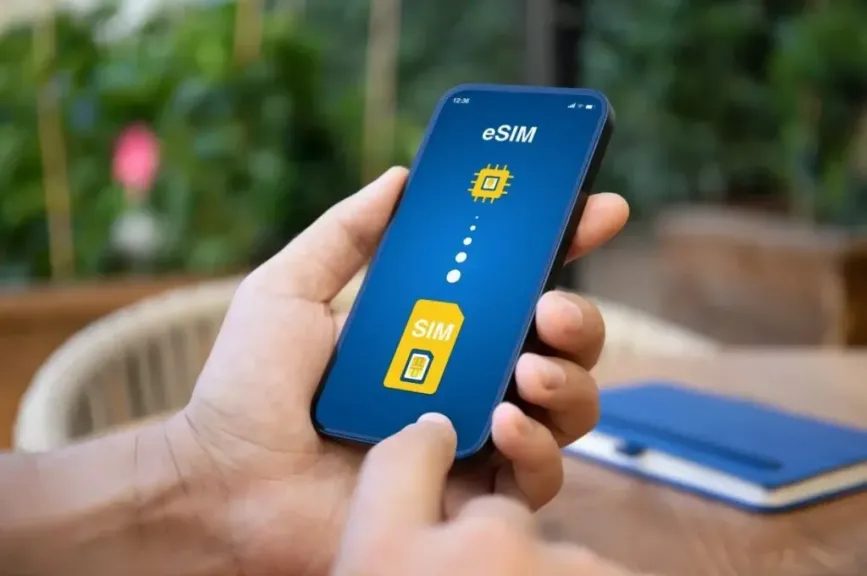
eSIM technology is becoming an increasingly accessible option for mobile users in Egypt, allowing subscribers to activate mobile lines without inserting a physical SIM card into their smartphones. All four major mobile operators in the Egyptian market—Vodafone Egypt, Orange Egypt, e& Egypt, and Telecom Egypt (WE)—offer eSIM services, providing customers with an alternative way to manage their mobile subscriptions.
An eSIM, or embedded SIM, is a digital version of a traditional SIM card built directly into a compatible device. Instead of inserting a plastic card, users download a digital network profile, usually by scanning a QR code provided by their mobile operator. Once activated, the service supports regular mobile functions, including voice calls, text messages, and mobile internet.
What Is eSIM Technology and How Does It Work?
Unlike conventional SIM cards, which store subscriber information on removable plastic cards, eSIM technology uses an embedded chip that stores digital operator profiles. These profiles can be downloaded and managed through the device's settings.
Depending on the smartphone model, users can store multiple eSIM profiles on a single device and switch between them without physically replacing a SIM card. Some smartphones support up to 10 stored profiles, although the number of lines that can operate simultaneously depends on the device's specifications.
The technology offers several advantages, including easier management of multiple numbers, reduced risk of physical SIM damage or loss, and less reliance on plastic materials. It is particularly useful for people who maintain separate personal and business numbers or frequently travel internationally.
How to Activate an eSIM in Egypt
The activation process varies between operators, but users should first confirm that their smartphones support eSIM technology and ensure a stable Wi-Fi connection before downloading the digital profile.
Vodafone Egypt allows customers to purchase eSIMs through its stores or online shop. Existing subscribers can convert their physical SIM cards into eSIMs at Vodafone branches, provided their numbers are registered under their national ID cards and their devices are compatible.
Orange Egypt offers eSIM services through its Orange Max it application and retail branches. Existing customers can request a SIM conversion through the application by verifying their identity, completing payment, and receiving a QR code. New subscriptions require a visit to an Orange branch.
e& Egypt enables customers to switch to eSIM through the My e& application. The process involves updating the application, logging in, selecting the eSIM service, and completing the required verification procedures.
Telecom Egypt's WE provides eSIM services through its branches and the My WE application. Customers can convert their existing physical SIM cards by verifying their personal information, submitting their national ID details, and paying the applicable fee. A QR code is then provided to download the digital profile. Initial activation also requires contacting customer service at 111 to validate subscriber information.
eSIM Prices in Egypt
The cost of obtaining an eSIM differs depending on the operator and whether customers are purchasing a new line or converting an existing physical SIM.
According to the operators' published prices:
- Vodafone Egypt: EGP 350 for a new line and EGP 300 for converting an existing physical SIM.
- Orange Egypt: EGP 350 for a new line and EGP 300 for converting a physical SIM or replacing an existing eSIM.
- e& Egypt: EGP 350 for a new line and EGP 367.72 for an eSIM replacement.
- WE: EGP 330 for a new line and EGP 270 for a SIM replacement, including taxes.
These prices are subject to change, so customers should check the operators' official channels before purchasing or converting their subscriptions.
eSIM vs. Traditional SIM Cards
Both technologies provide the same essential mobile services, but they differ in how subscriptions are stored, activated, and transferred between devices.
|
Feature |
eSIM |
Traditional SIM |
|---|---|---|
|
Technology |
Embedded digital chip |
Removable plastic card |
|
Activation |
QR code and digital profile |
Physical insertion |
|
Multiple numbers |
Multiple profiles, depending on device |
Requires additional SIM slots or devices |
|
Device compatibility |
Compatible devices only |
Supported by most mobile phones |
|
Physical damage |
No removable card to damage |
Can be damaged or lost |
|
Switching phones |
May require profile transfer or replacement |
Usually transferred by moving the card |
eSIM offers greater flexibility for users managing multiple numbers or international connectivity. Traditional SIM cards, however, remain more convenient when switching between phones because users can simply remove the card and insert it into another compatible device.
Compatibility, Security, and Potential Risks
Before switching to eSIM, users should verify that their exact smartphone model and regional version support the technology. Compatibility should not be assumed simply because other devices in the same product series support eSIM.
Users should also protect their QR activation codes and avoid sharing them with others. Deleting an eSIM profile or performing a factory reset may require obtaining a replacement profile from the operator, potentially involving additional fees.
In addition, losing a smartphone containing an active eSIM requires contacting the mobile operator promptly to suspend the line and prevent unauthorized use.
Activation conditions also vary between operators. WE, for example, states that its QR activation code is valid for five days and can only be used once. The company also requires the eSIM profile to be downloaded from within Egypt. Orange similarly requires a new activation code when an existing profile is deleted or needs replacement.