
$100 Billion Plan: IFC Launches Strategy to Finance Fintech and Digitalization in Africa Through 2030
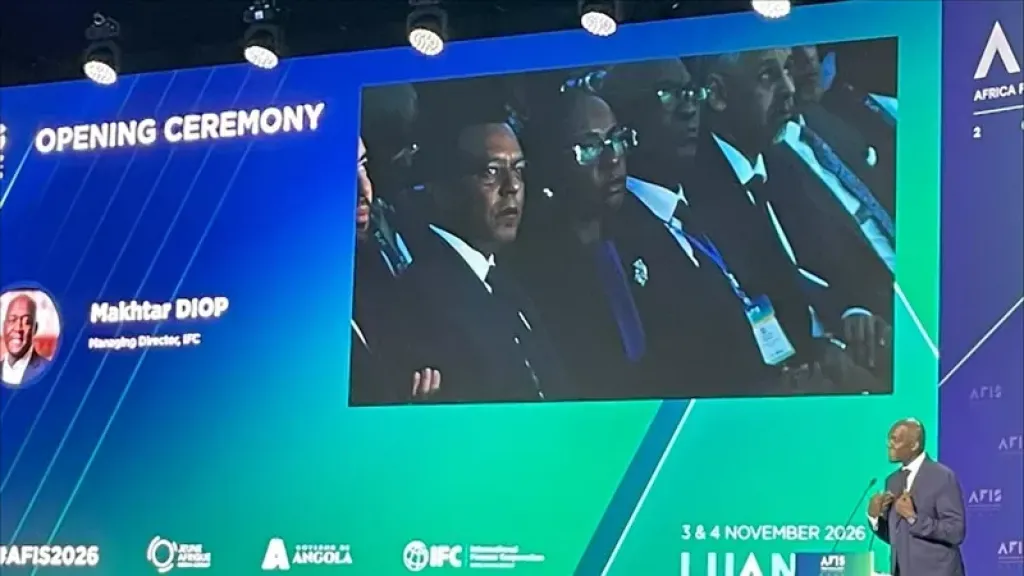
The International Finance Corporation (IFC), the private-sector investment arm of the World Bank Group, intends to prioritize investments in supporting African banks and fintech companies, alongside expanding financing for small and medium-sized enterprises (SMEs) as part of its extended strategy through 2030.
Speaking at the Africa Financial Industry Summit (AFIS 2026) in Luanda, Makhtar Diop, Managing Director of the IFC, highlighted that Africa accounts for nearly 25% of the Corporation’s total commitments, which have surpassed $100 billion. He noted that the mobilization ratio has risen to $3.40 in additional funds raised for every dollar directly invested by the IFC.
Strategic Shift in Lending and Investment Models
The new strategy places equity investment and corporate finance at the forefront of priorities through both investment funds and direct investments, aiming to boost the competitiveness of local financial institutions. Additionally, the Corporation is shifting toward cash-flow-based lending models instead of relying on traditional collateral, thereby easing access to finance for smaller businesses.
Expanding Local Currency Financing and Capital Markets
The IFC aims to increase Africa’s fund mobilization ratio fivefold in the coming years while boosting local currency lending—which currently represents 35% of its portfolio—to mitigate foreign exchange risks and enhance financial sustainability. Diop emphasized the importance of activating capital markets and corporate bond issuances to provide long-term financing and reduce reliance on dollar-denominated debt.
Investment Guarantees to Drive Growth and Job Creation
To mitigate investment risks, Diop revealed that the Multilateral Investment Guarantee Agency (MIGA) has already achieved its $2030 target of delivering $25 billion in guarantees ahead of schedule. He stressed that mobilizing domestic savings and resources is essential to accelerate Africa's economic growth rate (currently at 4.5%), create job opportunities for youth, and develop economic corridors for continental integration.
Energy, AI, and Global Market Expansion
Future investments will focus on developing core infrastructure, particularly the energy sector, to prepare it for digital transformation and artificial intelligence technologies. Furthermore, the IFC plans to strengthen its presence in major global financial centers—such as London, New York, Frankfurt, Tokyo, and Australia—to channel institutional capital into African markets.
Call for National Private-Sector Councils
Diop concluded by advocating for the creation of private-sector councils in every African country. These councils would serve as a regular mechanism for dialogue between governments and the business community, monitoring policy implementation, addressing operational challenges, and improving the investment climate.