Minister of Planning Calls for WTO Reform to Support Developing Nations and Safeguard Supply Chains
Urgent Reform Demands and a Fair Dispute Settlement System
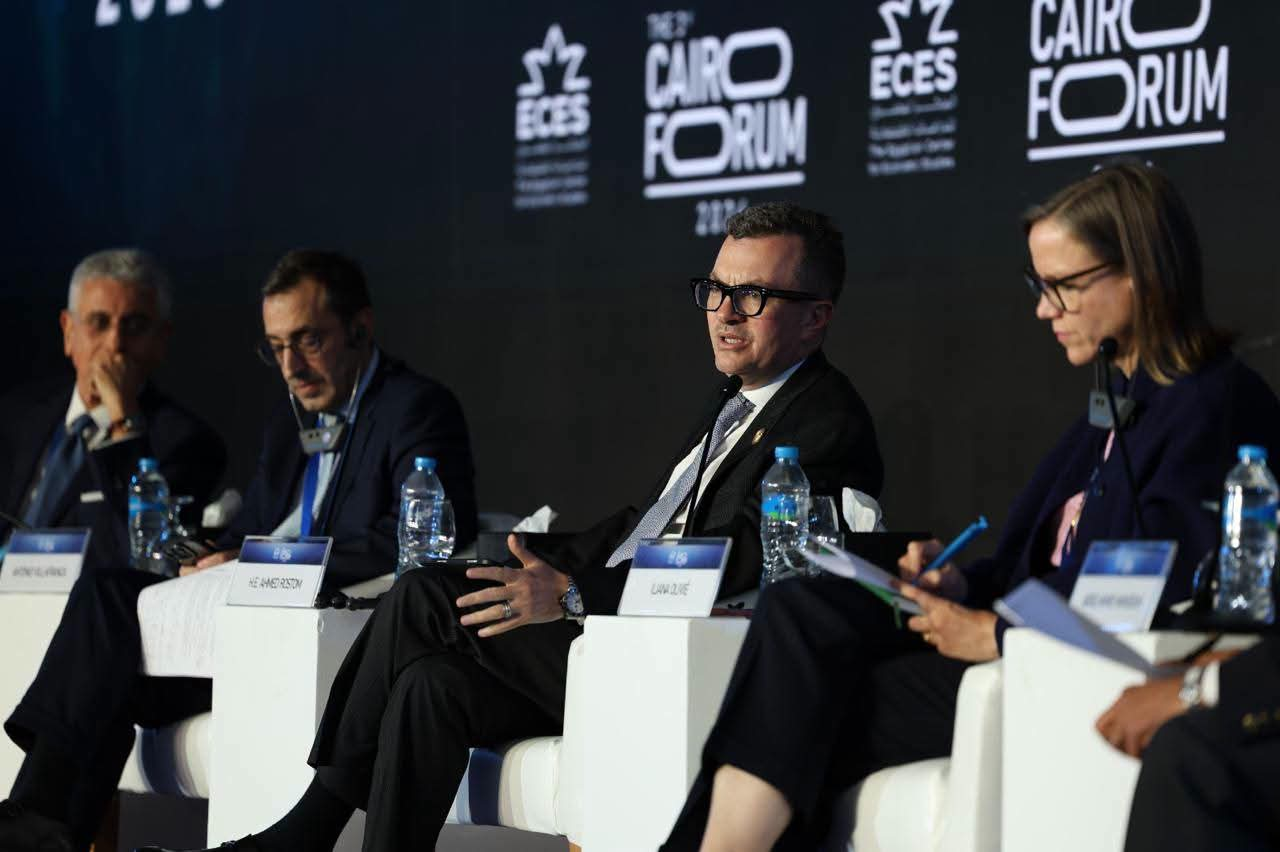
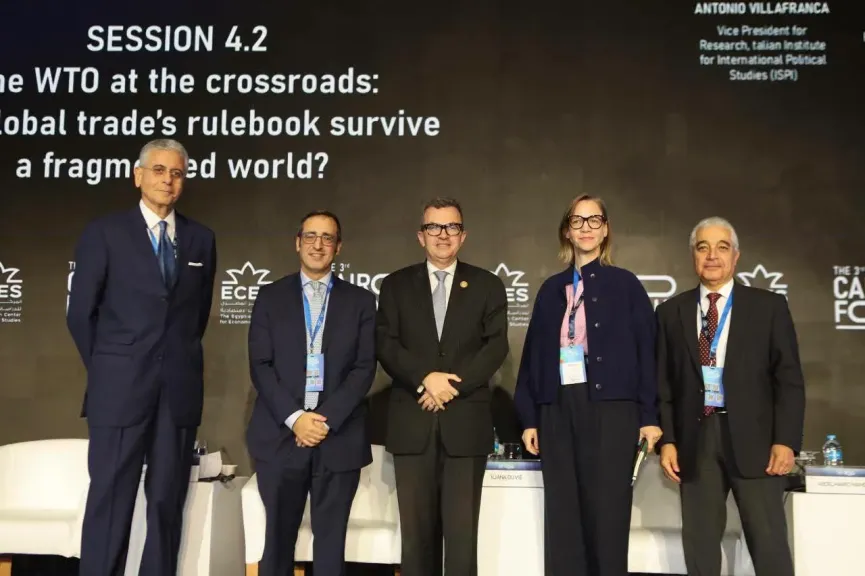
Dr. Ahmed Rostom, Minister of Planning and Economic Development, called for structural reforms within the World Trade Organization (WTO) to protect the interests of developing countries and emerging economies. Speaking during his participation in the "Cairo Forum," he emphasized the crucial need to restore a binding and independent dispute settlement mechanism, while providing appropriate technical assistance to facilitate international trade flows and ensure their stability.
Modernizing Differential Treatment and Supporting National Industrial Policies
The Minister highlighted that economic development priorities must be placed at the core of the WTO’s agenda, stressing Egypt's commitment to preserving and modernizing the principle of "Special and Differential Treatment" to make it more effective. He pointed out that developing nations require sufficient policy space to implement time-bound industrial policies tied to clear performance indicators, alongside decisive measures to address competitive distortions.
Transparency in Digital Trade and Climate Measures
Dr. Ahmed Rostom underscored the importance of enhancing transparency and fostering dialogue on emerging global trade issues, notably digital trade, climate and environmental measures, and economic security restrictions. He affirmed that digital trade facilitation and customs streamlining are no longer optional, but fundamental components of comprehensive economic development policies.
Egyptian Efforts to Boost Exports and Strengthen African Supply Chains
The Minister reviewed the success of Egypt's unified national platform, "Nafeza," presenting it as a pioneering model for streamlining and standardizing customs, logistical, and regulatory procedures. He noted that these domestic reforms directly contribute to reducing operational transaction costs, raising the competitiveness of Egyptian goods for export, and enhancing the resilience of regional supply chains across Africa and beyond.