
Used Car Inspection Before Buying: Essential Self-Check Steps and Technical Report Requirements Before Paying a Deposit
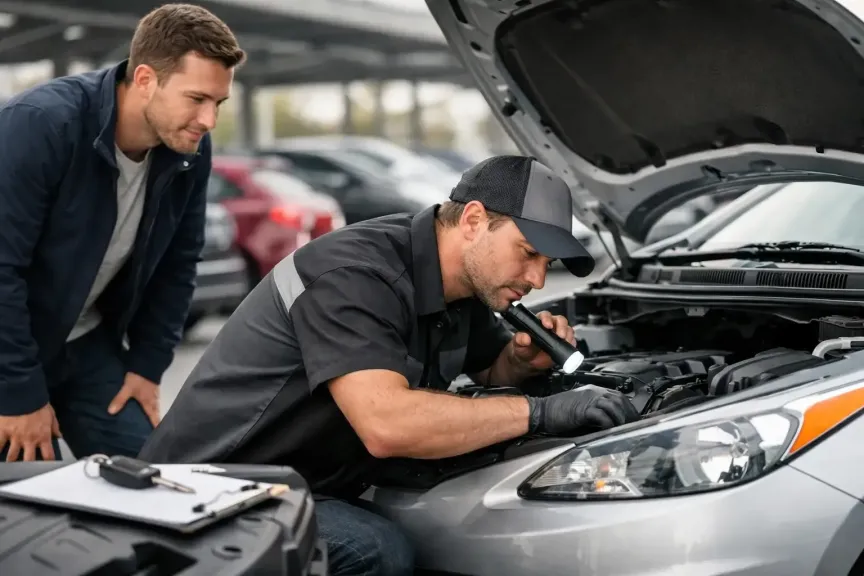
Inspecting a used car before purchasing it is an essential step in avoiding unexpected repair expenses and costly mistakes. Some mechanical faults, previous accident damage and electrical problems may not be apparent during a brief visual inspection or a short test drive. A safer purchasing process involves three stages: an initial inspection by the buyer, an independent technical assessment at a qualified inspection center, and verification of the vehicle's ownership and registration documents before paying a deposit or completing the transaction.
1. How to Inspect a Used Car Yourself
The initial inspection should take place in daylight, allowing the buyer to examine the vehicle's exterior from different angles. Particular attention should be paid to body panel alignment, door gaps, fenders, the bonnet and the boot. Differences in paint shades, uneven surfaces and inconsistent panel gaps may indicate previous repairs or accident damage.
The buyer should also inspect the windows, headlights, rear lights and tyres, checking for cracks, bulges and uneven tyre wear. Inside the vehicle, examine the seats, seatbelts, dashboard, electric windows, air conditioning and other electronic equipment. Warning lights should be checked to ensure that they illuminate appropriately when the ignition is switched on and go out as expected after the engine starts.
2. Engine, Transmission and Road Testing
Whenever possible, inspect the engine before starting it, while it is cold. Look for visible oil or coolant leaks, damaged hoses, worn belts and unusual smells. After starting the engine, listen for abnormal noises and observe whether excessive smoke comes from the exhaust.
A road test is equally important. It should assess acceleration, braking response, steering, suspension performance and transmission operation. The buyer should also monitor engine temperature, test the air conditioning and check reverse gear and different transmission settings.
Potential water damage deserves particular attention. Signs include mud beneath seats or inside the boot, unusual corrosion in concealed areas, musty smells and mismatched carpets or upholstery. Flood exposure can cause electrical and mechanical problems that may emerge long after the purchase. The US Federal Trade Commission and the National Highway Traffic Safety Administration both highlight these warning signs.
3. What Should an Independent Technical Report Include?
After the initial inspection, the vehicle should be examined at an independent technical center selected by the buyer. A manufacturer-authorized service center or a qualified workshop with appropriate diagnostic equipment can provide a more comprehensive assessment.
The inspection should cover the engine, gearbox, suspension, braking and steering systems, as well as visible fluid leaks. Structural checks should examine the chassis, pillars, floor panels and signs of previous accident repairs. Paint-thickness measurements, where available, can help identify repainting and possible bodywork repairs.
An electronic diagnostic scan should also identify stored fault codes and assess relevant vehicle systems and sensor readings. However, an OBD diagnostic scan alone cannot establish the vehicle's overall condition or rule out structural and mechanical defects.
The buyer should request a written report identifying detected faults, their severity and estimated repair costs. The report should include the vehicle's make, model and Vehicle Identification Number (VIN). The FTC specifically recommends obtaining an independent inspection even when a dealer claims that the vehicle has already been inspected or certified.
4. Document Verification and Deposit Precautions
Technical condition is only one part of the purchasing decision. Buyers should verify the seller's identity and legal authority to sell the vehicle, compare the chassis and engine numbers with the registration documents, and check for outstanding restrictions or financial obligations.
In Egypt, the Ministry of Interior's Traffic Services Portal provides an online service for verifying vehicle registration information. The service is specifically recommended as a precaution before purchasing a used vehicle, helping buyers confirm the authenticity of its registration details.
Paying a deposit should ideally be postponed until the technical inspection and document checks have been completed. If an advance payment is unavoidable, the buyer should obtain a signed receipt stating the amount, agreed purchase price and both parties' details.
Crucially, the agreement should specify whether the deposit is refundable if the inspection reveals significant mechanical or structural defects, or if ownership or registration problems emerge. Any promises by the seller to repair identified faults should also be documented in writing.
A seller who refuses an independent inspection or pressures the buyer to pay immediately without allowing sufficient time for verification should be treated with caution. A comprehensive inspection report provides a practical basis for deciding whether to proceed, renegotiate the price or withdraw from the transaction.