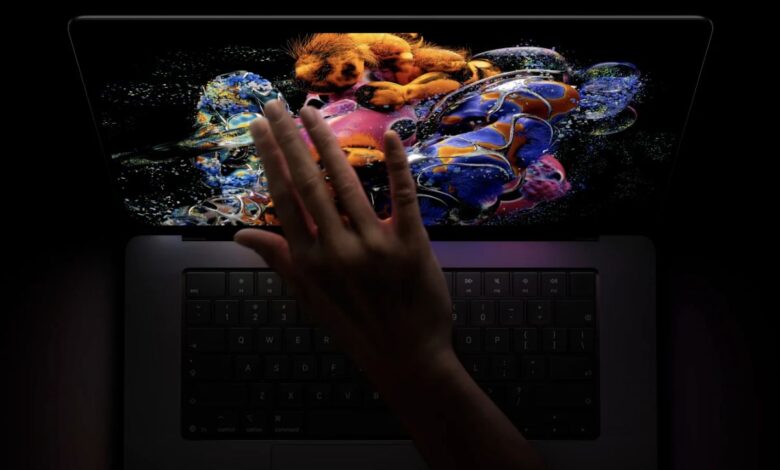
Apple Revolutionizes Its Laptops with the Launch of the OLED Touchscreen MacBook Pro
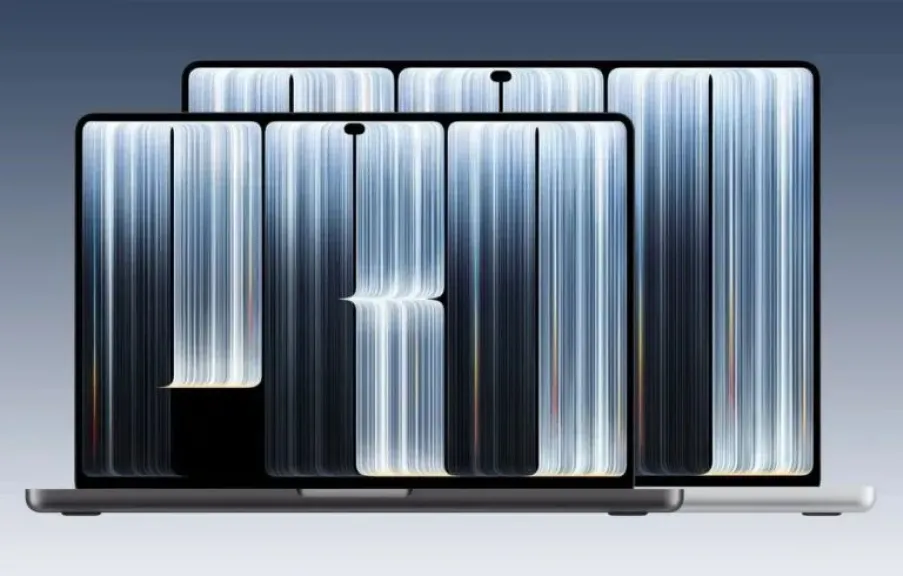
In a historic shift ending years of opposition, Apple unveiled its innovative MacBook Pro featuring a touch-enabled OLED display during its "Pro and tell" event.
Pricing for the 14-inch model starts at $2,900, while the 16-inch version is priced at $4,000. Pre-orders opened today, with official market availability set for November 6.
PROLED XDR Display with Advanced Technologies
The laptop boasts a high-end display powered by multi-layered OLED technology, delivering a peak brightness of up to 2,000 nits, a 120Hz refresh rate, and a 10,000,000:1 contrast ratio. The device also marks the return of the illuminated Apple logo on the top lid, alongside support for the Dynamic Island feature to display live activities.
Powered by M5 Pro or M5 Max chips, the touch sensor is integrated directly into the display panel to minimize latency. The touchscreen allows users to browse the web, zoom in on images, test iOS and iPadOS apps natively, and play virtual instruments, supported by updated APIs for developers.
Thinner Design with Higher Output and Efficiency
Apple improved display proportions by narrowing the bezels, expanding the viewing areas to 14.2 inches and 16.3 inches respectively, while keeping the weight down to 1.36 kg and 1.81 kg. The laptop also introduces a redesigned hinge to ensure screen stability during touch interactions.
Battery Life: Up to 24 hours of operation.
Ports: MagSafe 3, headphone jack, SD card reader, HDMI port, and three Thunderbolt 5 ports.
External Displays: Supports up to three external monitors (and up to four with the M5 Max chip).
Audio: An enhanced six-speaker sound system delivering 50% deeper bass and clearer audio.
A Historic Shift After Years of Rejection
This launch represents a major turning point in Apple's philosophy. Co-founder Steve Jobs famously dismissed touchscreens on laptops as ergonomically uncomfortable, and former CEO Tim Cook long advocated for keeping tablets and laptops distinct.
Apple previously experimented with the Touch Bar in 2016 before removing it entirely in 2023. This announcement comes amid a busy week of releases, including an iPad mini with an OLED display, as well as iMac and MacBook Pro models equipped with M6 chips.