
Gated Communities vs. Open Neighborhoods in Egypt: Housing Costs, Services and Investment Returns
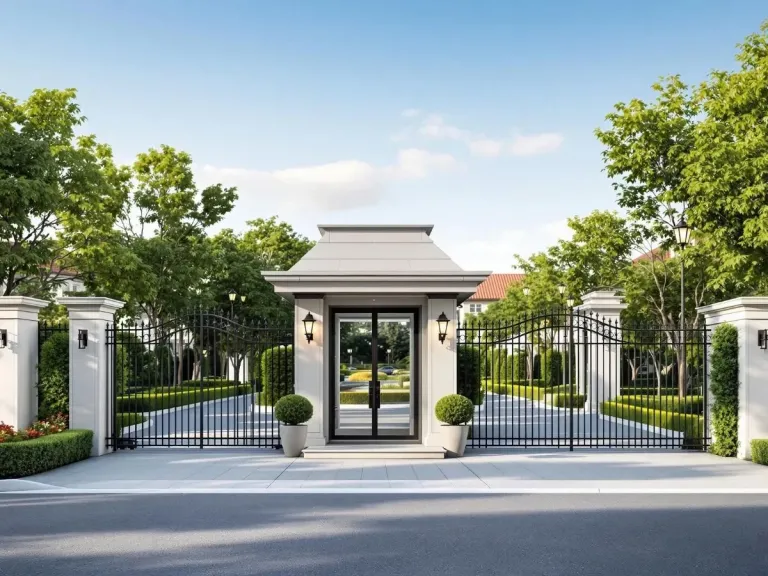
Choosing between a gated residential compound and an open neighborhood has become an important consideration for homebuyers and property investors in Egypt. Beyond the initial purchase price, the decision involves recurring maintenance expenses, access to services, privacy, location and the property's potential to attract tenants or retain its resale value. The financial implications can differ significantly depending on the development, its management and the surrounding area.
Gated communities typically offer shared facilities such as security services, landscaped areas, internal roads and common utilities. Some developments also provide swimming pools, sports clubs and retail outlets. Open neighborhoods, meanwhile, rely more heavily on municipal infrastructure and nearby public or private services. Their quality can vary according to local maintenance, infrastructure and service availability.
Recurring Costs: Maintenance and Service Charges
One of the main differences is the cost of maintaining shared facilities. Owners in gated compounds may pay recurring charges covering security, entrance gates, landscaping, cleaning, elevators, internal roads and other common areas. Additional fees may apply to club memberships or specific amenities, depending on the development's contractual terms.
Published estimates in Egypt's property market indicate that annual maintenance charges in some developments can range from 2% to 5% of a property's purchase price. However, these figures are not a universal standard, and actual charges depend on the project, unit size and fee structure.  Some developers also collect a separate maintenance deposit, increasing the initial financial commitment alongside the down payment and installments.
Open neighborhoods do not eliminate maintenance expenses. Owners may still need to contribute to repairs of shared building facilities, including elevators, entrances and common areas, depending on the property's ownership and management arrangements. Utility bills, internet subscriptions and private security or cleaning costs may also apply. A meaningful comparison should therefore consider actual expenses rather than assume that open neighborhoods are always cheaper.
Services and Privacy vs. Location and Flexibility
Gated compounds generally offer controlled access and a managed environment for shared facilities. These features may appeal to families seeking privacy, quieter surroundings and convenient access to amenities. However, service quality depends on effective management and consistent maintenance rather than the gated layout alone.
Depending on the location, they may also provide greater flexibility for residents who prioritize proximity to work or established commercial districts. Their suitability depends on the condition of local infrastructure, street maintenance and the availability of essential services.
Investment Value: Location and Demand Matter Most
Neither property type automatically delivers higher investment returns. Long-term performance depends on location, construction quality, accessibility, rental demand, management standards and competing supply. A compound may benefit from well-maintained amenities and privacy, while a property in an established open neighborhood may attract tenants because it is closer to workplaces, transport links and essential services.
Market indicators published during 2026 show substantial differences in residential property prices across Egyptian locations. However, area-level price data alone cannot establish that gated compounds consistently outperform open neighborhoods.  Investors should assess comparable properties in the same area and distinguish between advertised prices, completed transactions and actual rental income.
How to Compare Costs Before Buying
Buyers should calculate the total cost of ownership over at least five years, including the purchase price, financing, finishing, maintenance, utilities, repairs and additional service charges. Investors should also estimate potential rental income after accounting for vacancy periods and operating expenses.
Before signing a contract, buyers should review maintenance-fee schedules, the history of fee increases, the condition of shared facilities, occupancy levels and the contractual responsibilities of the developer or property manager.
Ultimately, the choice depends on budget, lifestyle and investment objectives. A gated compound may suit buyers willing to pay for managed facilities and greater privacy. An open neighborhood may appeal to those prioritizing location, flexibility and access to established services. In both cases, the property's actual condition, ongoing costs and local market demand are more important than its residential classification alone.