
SuperPay Reaches Operating Profitability in Under Three Years as It Breaks Into Egypt’s Top Five Payment Players
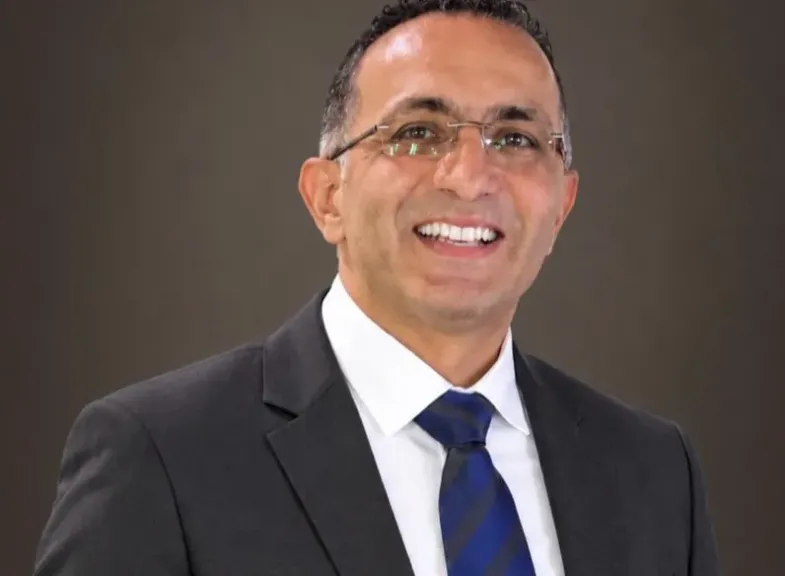
SuperPay has reached positive EBITDA less than three years after launch, marking an important shift for the e& Egypt-backed payments company from rapid market entry to a business capable of generating operating profitability. the market-share targets set in its original business plan.
The combination is significant in Egypt’s increasingly competitive payments market. For a relatively young player, gaining scale is one challenge; turning that scale into positive operating earnings while continuing to invest in technology and distribution is another.
From New Entrant to Positive EBITDA
SuperPay said it achieved positive earnings before interest, taxes, depreciation and amortization, or EBITDA, in less than three years.
While the company did not disclose its revenue, EBITDA figure or exact market share, the milestone indicates that its core operations have moved into positive territory before accounting for financing costs, taxes and non-cash depreciation and amortization expenses.
SuperPay also said its market share has exceeded the targets outlined when the business was launched, placing it among Egypt’s top five digital payments companies.
The company has spent its first three years building an independent payments infrastructure and expanding the technology and operational capabilities needed to serve merchants and customers across the Egyptian market.
Telecom Scale Meets Banking Infrastructure
One of the foundations of SuperPay’s model is the combination of telecommunications and banking capabilities.
The company is backed by e& Egypt and Bank Misr, bringing together a large telecom ecosystem with banking infrastructure and financial expertise.
That structure gives SuperPay a different starting point from an independent fintech startup, allowing it to draw on the technological capabilities and reach of a telecom operator while developing payment services alongside one of Egypt’s largest banks.
The model is designed to expand digital payment acceptance among merchants while increasing access to electronic financial services as Egypt continues its broader transition away from cash.
Tarek Nagy: Profitability Was Not a Standalone Target
“Reaching operating profitability in less than three years reflects the strength of the business model we have built and our ability to turn an ambitious vision into a company with an integrated digital payments ecosystem and a strong market position,” said Tarek Nagy, CEO of SuperPay.
He stressed that profitability was not pursued separately from the company’s longer-term development.
“From the beginning, we focused on developing our technological and operational capabilities, building strategic partnerships and creating a team capable of turning opportunities into tangible results,” Nagy added.
He credited the company’s workforce with playing a central role in reaching the milestone, particularly as SuperPay worked to establish itself in a large and highly competitive market.
Three Years Become the Starting Point for the Next Growth Phase
For SuperPay, reaching positive EBITDA changes the context of its next stage of expansion.
The company is no longer approaching growth solely as a new payments player seeking market share. It enters its fourth year with an operating model that has already reached positive EBITDA and a position it describes as being among Egypt’s five largest digital payment companies.
“Completing three years is an important milestone for evaluating what we have built, but it is also the beginning of a new phase of growth,” Nagy said.
“Our priority is to build on this foundation by continuing to develop our services, strengthen our technological capabilities and expand in line with market needs, with the aim of building a company that delivers sustainable growth and real value to merchants and customers.”
Egypt’s Payments Race Is Moving Beyond Market Share
SuperPay’s milestone points to a broader change taking place across Egypt’s fintech and payments industry.
As the market matures, success is increasingly likely to be measured not only by transaction volumes, merchant networks or customer acquisition, but also by whether payment companies can turn that scale into financially sustainable businesses.
SuperPay has not disclosed enough financial data to assess the size of its profitability or compare its performance directly with other payment providers. But reaching positive EBITDA in under three years gives the company an important benchmark as it moves into its next stage.
After three years spent building scale, technology and market presence, SuperPay’s next challenge will be to prove that early operating profitability can translate into sustainable growth in one of Egypt’s most competitive fintech segments.