
Youth and Student Cards in Egypt: Meeza vs. Bank Youth Cards, Fees and Benefits Compared
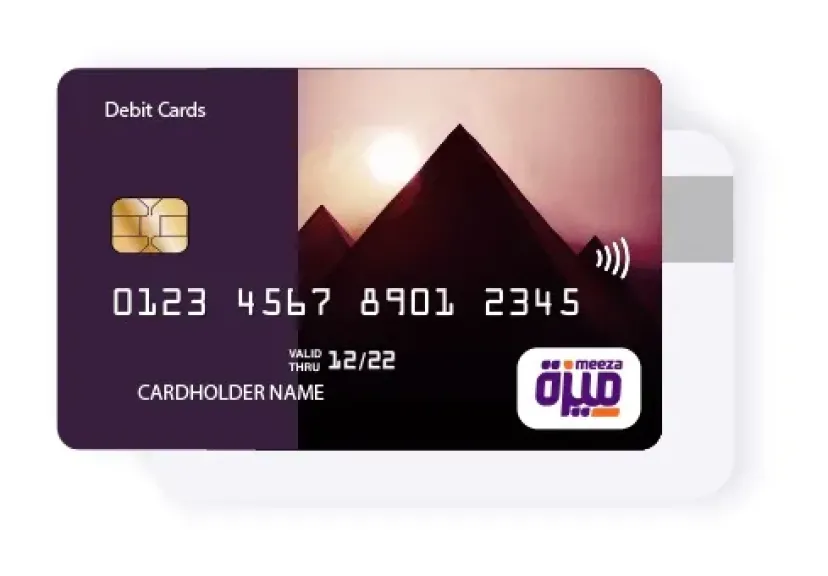
Youth and student payment cards in Egypt offer different ways to pay for purchases, withdraw cash and manage everyday expenses. The main choice is between prepaid Meeza cards, prepaid youth cards issued by banks, and youth debit cards linked to savings accounts. The most suitable option depends on the cardholder’s age, banking needs, applicable fees and intended use. Comparing issuance costs alone is not enough to determine which card offers the best value.
The options form part of Egypt’s broader financial inclusion efforts. The Central Bank of Egypt reported that the country’s financial inclusion rate reached 79% by the end of June 2026, with 56.4 million citizens holding active accounts that enable financial transactions. The figure includes bank and postal accounts, mobile wallets and prepaid cards. Financial inclusion among people aged 15 to 35 reached 58% over the same period.
1. Meeza Cards: Payments Without a Bank Account
Meeza is Egypt’s national electronic payment network, offering debit cards, prepaid cards and other digital payment solutions. Prepaid cards can support purchases, cash withdrawals and payments to participating government entities without requiring a conventional bank account when the specific product is designed for standalone use.
AlexBank offers a prepaid Meeza card through its youth banking products. According to the bank, customers can obtain the card at a branch without opening a bank account. Its stated uses include local purchases, bill payments and government transactions, as well as cash withdrawals and deposits through the bank’s own ATMs without fees. The bank also offers contactless payments subject to its applicable conditions.
This type of card may suit students who need an electronic payment method without maintaining a traditional bank account. Users can manage spending by loading funds onto the card in advance. However, they should check issuance and replacement charges, top-up conditions, withdrawals from other banks’ ATMs, balance limits and transaction restrictions before applying.
2. Bank Youth Cards Linked to Savings Accounts
Banque Misr offers a Youth Card for customers aged 15 to 21. The card is issued through a savings account opened at one of the bank’s branches. It supports purchases, cash withdrawals and balance inquiries, along with selected payment services available through the bank’s ATMs. The linked savings account can also earn periodic returns, subject to the applicable account terms.
The main distinction is that the card provides access to a bank account rather than functioning solely as a prepaid payment instrument. This can be useful for students who want to combine everyday payments with saving money. Account-opening requirements, documentation, returns and transaction limits depend on the bank’s current policies and the customer’s circumstances.
3. Comparing Fees, Features and Eligibility
The term “youth card” does not necessarily mean that a card is linked to a savings account. KFH Egypt, for example, offers a prepaid Youth Card that does not require opening a savings account, while Banque Misr’s Youth Card is linked to a savings account.
|
Feature |
Prepaid Meeza |
Prepaid youth card |
Youth debit card |
|---|---|---|---|
|
Bank account required |
Not for eligible standalone products |
Not for eligible prepaid products |
Yes |
|
How funds are accessed |
Preloaded balance |
Preloaded balance |
Available account balance |
|
Savings returns |
No savings-account return from the card itself |
No savings-account return from the card itself |
May be available through the linked account |
|
Main uses |
Local payments and cash withdrawals |
Purchases and withdrawals, subject to terms |
Purchases, withdrawals and account management |
|
Fees |
Vary by bank and product |
Vary by bank and product |
Card and, where applicable, account fees |
Actual costs vary considerably between products. Banque Misr, for example, lists free issuance for the first year of its Youth Card, followed by an annual fee of EGP 200 in subsequent years. AlexBank states that withdrawals and deposits through its own ATMs are free for its prepaid Meeza card. These examples illustrate different products and should not be treated as a like-for-like comparison.
4. Which Card Is Best for Students?
Students who primarily need to make local purchases and pay bills without opening a bank account may prefer a prepaid Meeza card or another prepaid youth card, depending on eligibility and usage limits. Those who want to save money and access banking services through a savings account may find a youth debit card more suitable.
Before applying, students should verify the minimum age, required documents, issuance and renewal fees, charges for using other banks’ ATMs, online purchase limits and international acceptance. Meeza cards and internationally branded payment cards do not have identical acceptance coverage, so students should not assume that every domestic card can be used on foreign websites.
The most cost-effective choice is the card that matches the student’s actual spending and banking needs. Free issuance does not necessarily mean free use: withdrawal charges, replacement fees and other costs may apply. Reviewing the bank’s current official fee schedule and terms before applying is therefore essential.