
Egypt Records $18 Billion in FDI in FY2025/26 as Investment Ministry Pushes Export Expansion
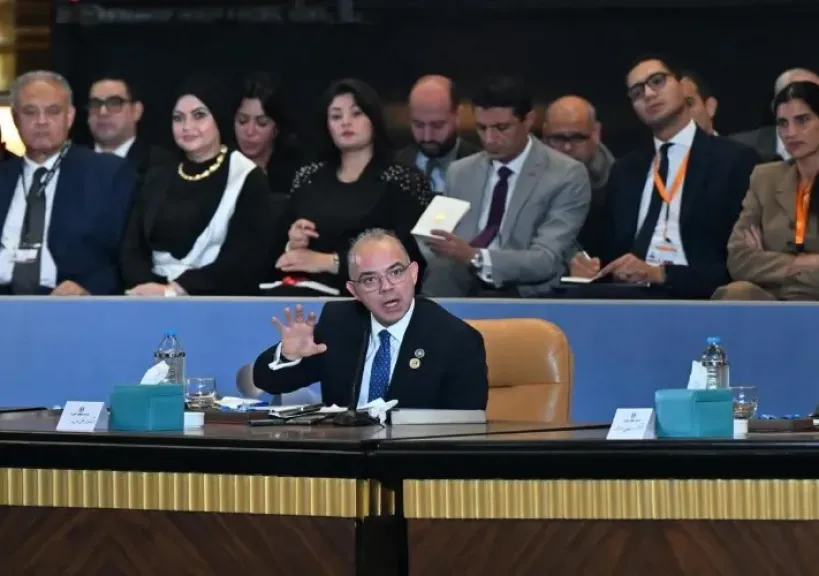
Egypt attracted approximately $18 billion in foreign direct investment (FDI) during fiscal year 2025/26, Investment and Foreign Trade Minister Mohamed Farid Saleh said, highlighting ongoing government efforts to improve the investment climate and remove procedural obstacles facing investors.
Farid made the remarks during a discussion session at Egypt Forum 2026, held under the theme “Towards Productive Investment, Competitive Industry and Sustainable Jobs,” where he addressed measures to boost productive investment, improve the business environment, strengthen industrial competitiveness and expand exports.
Supporting Local Investors and Productive Investment
Farid described local investors as among Egypt’s strongest ambassadors, stressing the government’s continued efforts to support Egyptian companies and enable them to grow and expand.
He said stronger private-sector investment and higher production are key drivers of economic growth and job creation, while investment can help translate Egypt’s economic potential into production and employment.
The minister emphasized directing incentives toward sectors capable of deepening industrial activity, localizing technology and increasing exports. He also highlighted the importance of developing domestic supply chains to meet manufacturers’ needs and increase local content.
Farid stressed the need to balance the requirements of investors and exporters with the state’s financial capacity and development priorities, directing available resources toward activities that generate greater added value, deepen local manufacturing and boost exports.
He also reaffirmed Egypt’s commitment to international trade agreements, noting that national policies and procedures should remain aligned with the rules governing global trade and industry.
Digital Services to Streamline Investor Procedures
The Investment Ministry is working to accelerate procedures and approvals while reducing waiting periods, Farid said, stressing that investors should not have to move between different government agencies to follow up on their applications.
The ministry is developing the “Entities” platform to allow investors to monitor procedures, calculate the time required to complete them and track different stages of their applications. The system is also designed to identify bottlenecks and accelerate completion.
The ministry is also developing a new digital platform for approving capital increase meeting minutes, bringing together seven relevant entities to reduce the time and effort required to complete the process.
Farid said digitalization is a fundamental pillar of investment-sector reform, helping reduce bureaucracy while giving investors electronic access to their procedures and improving coordination among government bodies.
Investment and Free Zones Support Employment
Investment and free zones have contributed to creating hundreds of thousands of jobs and boosting economic activity across Egypt’s governorates, Farid said.
He noted that the government has ambitious plans to expand investment zones across the country, supporting localized development and creating employment opportunities closer to population centers.
These zones also provide a model for simplifying procedures through the one-stop-shop system, making it easier to establish and expand businesses and attract new investments.
Government Offerings and Wider Ownership
Farid highlighted government offerings and efforts to broaden ownership of state-owned companies as important tools for attracting foreign investment and strengthening the private sector.
Expanding the investor base, he said, can increase private-sector participation in economic activity, while the success of private companies contributes directly to the success of the Egyptian economy.
Expanding Egypt’s Exporter Base
On exports, Farid stressed the need to expand the number of Egyptian companies able to enter international markets.
Around 50 companies currently account for 43% of Egypt’s total exports, highlighting the need to give more factories and companies access to export opportunities.
The ministry has held in-depth discussions with around 13 export councils to identify sector-specific challenges, explore opportunities to increase exports and establish targets aligned with the capabilities and competitiveness of each sector.
Farid also stressed the importance of strengthening the role of the Egyptian General Authority for Exhibitions and Conferences in promoting Egyptian products, increasing companies’ participation in international exhibitions and connecting them with global markets and buyers.
New Trade Data Portal and Regulatory Lab
The ministry has launched a Foreign Trade Information Portal to provide exporters with data on available opportunities and international market requirements.
The platform is intended to help companies identify target markets and develop export strategies, while the ministry is also preparing to launch a new regulatory lab aimed at strengthening the competitiveness of Egypt’s foreign trade system and developing solutions to challenges facing exporters.
Farid emphasized the importance of using artificial intelligence, data and digital tools to connect companies, factories and exporters with international market opportunities and improve decision-making efficiency.
Egypt Plans Export Council for Services
Egypt’s export growth opportunities extend beyond goods to services, where the country also has competitive capabilities, Farid said.
He revealed that work is underway to establish an Export Council for Services in the coming period, with the aim of promoting Egyptian services and opening new markets for local companies and Egyptian professionals.
$18 Billion in FDI During FY2025/26
Farid reiterated that Egypt recorded approximately $18 billion in FDI during FY2025/26, adding that efforts will continue to improve the investment environment and address procedural challenges confronting investors.
He said the next phase requires closer cooperation between the government and private sector to increase production for export, deepen local manufacturing, localize technology and develop domestic supply chains.
Such efforts, he added, are essential to strengthening the competitiveness of Egyptian products and increasing the country’s integration into global value chains.