
AI Developer Takes Aim at Adobe With Seven Free Open-Source Creative Apps
AI Developer Takes Aim at Adobe With Seven Free Open-Source Creative Apps
Artcraft Brings Adobe-Style Tools to Open Source
A developer is using artificial intelligence to build a collection of free, open-source applications aimed at users of Adobe’s creative software.
The project, known as Artcraft, is being developed by Brandon Thomas and currently targets seven major Adobe applications, covering photo editing, video production, vector graphics, image management, visual effects, publication design and PDF tools.
The initiative was partly inspired by Thomas’s dissatisfaction with Adobe’s subscription model and the fees associated with ending certain subscriptions.
Artcraft remains in an early development phase. While the project has attracted attention, users have reported problems with basic features, and the software is not yet considered a full replacement for Adobe’s professional-grade applications.
Seven Apps Built Around Popular Adobe Tools
Artcraft is structured around seven separate applications, each targeting a different area of creative work.
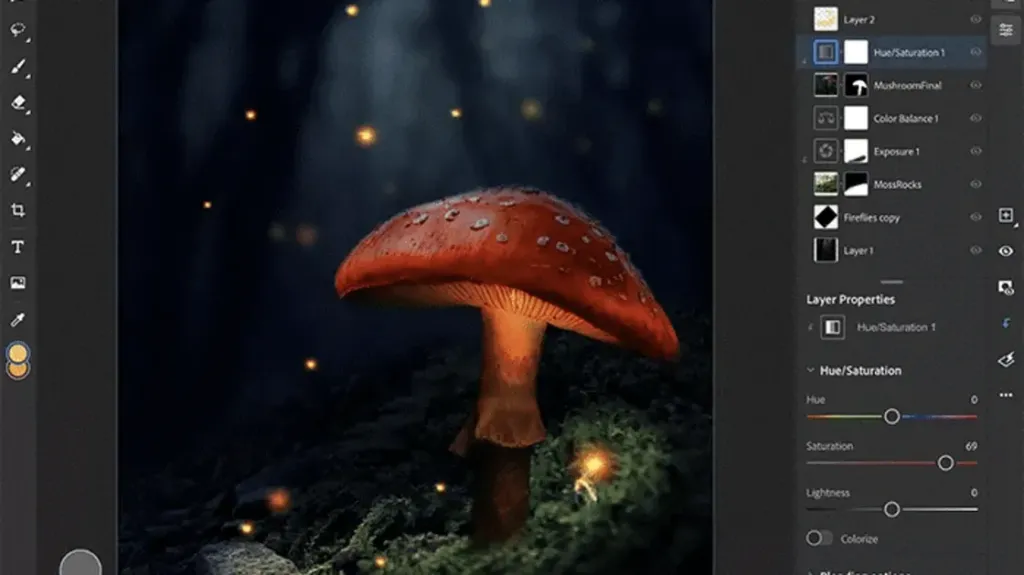
Photocraft focuses on photo editing and is designed as an alternative to Photoshop, while Vectorcraft targets vector-based graphic design similar to Illustrator.
For video creators, Filmcraft aims to provide capabilities comparable to Premiere Pro. Lightcraft focuses on image processing and organization, while Effectcraft is designed around visual and motion effects similar to those associated with After Effects.
The remaining applications are Designcraft, which focuses on page and publication design, and Printcraft, which provides tools for working with PDF files in a way comparable to Acrobat Pro.
Unlike Adobe’s subscription-based model, the Artcraft applications are intended to remain free and open source. Users can access the source code, modify it and contribute improvements or bug fixes.
AI and Rust Power the Development Effort
Thomas said on Reddit that he used Anthropic’s Claude Opus 5.5 during development, alongside the Rust programming language.
The developer has about 15 years of experience in software development and roughly 10 years of experience working with Rust.
Thomas has expressed confidence that his team could potentially reach full feature parity with Adobe within a month. However, he offered a more cautious assessment in Hacker News discussions, saying that achieving approximately 99% parity could require months rather than years.
For now, the project remains far from that target. Reported problems with core features highlight the gap between Artcraft’s ambitions and the reliability and depth expected from established professional software.
Adobe’s Subscription Model Was a Major Motivation
The developer’s experience with Adobe’s cancellation policies also played a role in the creation of Artcraft.
In June 2024, the US government filed a lawsuit against Adobe, accusing the company of hiding early termination fees and making the cancellation process difficult. Customers ending certain annual subscriptions before their terms expired could face fees reaching up to half of their remaining payments.
Adobe denied the allegations, arguing that its terms were clearly presented and that customers could cancel their subscriptions directly.
The company later agreed to a $150 million settlement in March 2026. The agreement included $75 million in civil penalties and $75 million worth of free services for customers, along with measures intended to make cancellation fees clearer and the cancellation process easier. Adobe continued to deny wrongdoing.
A Separate AI Business Helps Finance Artcraft
Although Artcraft itself is being offered as a free project, Thomas has another business that sells tokens for AI models used to generate images and videos.
Revenue from that business is expected to contribute to Artcraft’s development costs.
Thomas is also encouraging users to report bugs and participate in improving the applications, reinforcing the project’s open-source approach.
He has said the team plans to continue supporting Artcraft after its launch rather than abandoning the project.
Legal Challenges Could Become a Future Issue
Artcraft’s similarities to Adobe products could also raise legal questions if the applications reproduce protected elements too closely.
Creating software with similar functions does not automatically constitute infringement. The legal assessment depends on the specific implementation, design elements and intellectual property involved.
However, the possibility of a dispute remains if Adobe determines that the project goes beyond permissible functional similarities.
Artcraft Faces Established Free Alternatives
Adobe already faces competition from free tools such as GIMP, Krita and Photopea.
Artcraft is seeking to differentiate itself by creating applications that offer a more familiar environment for people accustomed to Adobe’s software, potentially making the transition to free alternatives easier.
The project reflects a broader belief that AI could significantly reduce the time, cost and resources required to develop sophisticated software.
AI Could Open the Door to More Open-Source Alternatives
Thomas believes AI is changing the traditional software-development model by enabling individual developers and small teams to build products that previously required much larger development resources.
He envisions the same approach eventually being applied beyond creative applications, potentially affecting areas such as search engines, smartphones and digital infrastructure.
For Artcraft, the immediate challenge is turning that vision into software that can match the stability, performance and advanced capabilities of established professional tools.