
Meta Glasses Recording Time Explained: Three-Minute and Five-Minute Limits
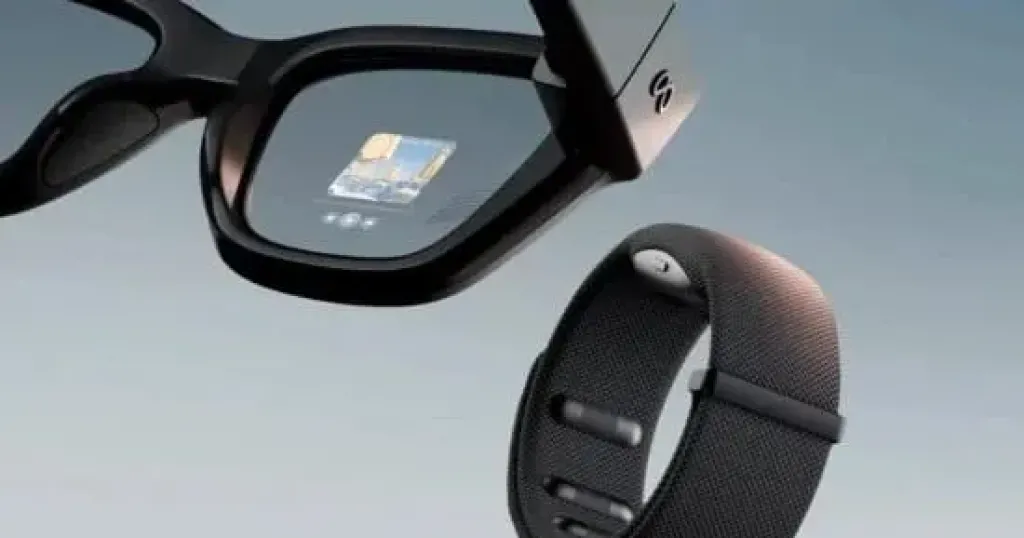
Recording video from a pair of smart glasses can be convenient for capturing activities while keeping both hands free. However, users of Meta’s wearable devices should not expect every model to offer the same recording duration.
A report from US website BGR explains that recording limits vary across Meta’s glasses, with some models allowing clips of up to three minutes and the Oakley Meta Vanguard supporting recordings of up to five minutes. Longer sessions may be possible through alternative approaches, but not all of them deliver the same quality or reliability as standard recording.
Recording Limits Depend on the Model
Meta’s first-generation smart glasses allow users to capture videos lasting up to three minutes at a time. According to the report, the same maximum duration applies to some later generations, although the available video-resolution settings can vary.
The Oakley Meta Vanguard stands out with support for clips of up to five minutes. Meanwhile, Meta Audio Glasses focus on audio capabilities and do not include video recording, the report says.
For consumers, these distinctions matter when selecting wearable technology for travel, sports or everyday documentation. Checking the exact model specifications is essential to understanding how much footage can be captured in a single recording.
Combining Clips and Using Live Streams
One straightforward way to get around a three-minute limit is to record multiple clips and join them using video-editing software. The result can be a longer continuous video, but users will need to spend time editing the separate recordings.
The report also describes a live-streaming option associated with the first generation of Meta glasses. By setting up a private stream and exporting the resulting footage, users could create a longer recording than the standard clip limit would normally allow.
This method may provide up to 30 minutes of footage, according to the report. The trade-off is reduced video quality during streaming compared with regular recording, and the feature may not be available on newer devices.
The Uncertain Future of Live Streaming
Although live streaming was offered on the first generation, the report says the feature was not carried over to later models. A community manager reportedly indicated that it would not return as part of future AI offerings.
The reason behind the change remains unclear. Battery drain and heat buildup have been suggested as possible explanations, but the report does not establish either as an officially confirmed cause.
A Third-Party Project Promises Longer Streams
BGR also highlights a third-party application hosted on GitHub and featured by MetaLensAI on YouTube. The project is reported to support live streaming from different Meta glasses models for up to 90 minutes.
However, the claimed duration does not represent an official capability guaranteed by Meta. The tool reportedly has unresolved limitations and may cause the glasses to heat up during use, making its performance and practicality uncertain.
What Users Should Consider Before Recording
The most suitable recording method depends on the glasses being used and the purpose of the footage. Standard recording offers a more direct workflow, while combining clips requires editing and alternative streaming methods may involve compromises.
Before attempting extended recording, users should verify that their model supports the selected method and consider the potential effects on video quality, battery performance and device temperature. These factors are particularly important for anyone planning to rely on smart glasses to capture longer activities.