
OpenAI Launches Dots, Persistent AI Agents Designed to Work Around the Clock
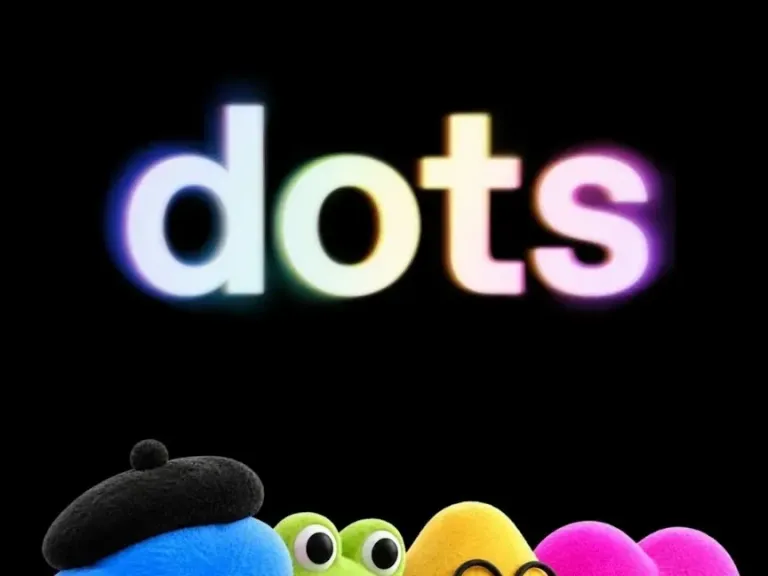
OpenAI has introduced a new generation of persistent AI agents called “Dots,” designed to work continuously on behalf of users and handle multiple tasks simultaneously across applications and services.
According to the company, each Dot operates through its own cloud-based computer and web browser, allowing it to interact with websites and applications that the user authorizes. The agents can also connect to more than 4,000 applications through OpenAI’s Plugins ecosystem.
Dots are powered by OpenAI’s GPT-6 Astra model, which is designed to handle complex, multi-step tasks. The agents can gradually learn from users’ feedback, working habits and preferences, enabling them to complete tasks according to the user’s preferred approach.
The new feature is initially being rolled out to eligible ChatGPT Pro and Business Premium subscribers. Enterprise customers, including organizations in education and healthcare, can also access a preview after activation by their workspace administrator.
At launch, users can create one primary Dot, while OpenAI plans to allow multiple agents to work together in the future.
Unlike traditional chatbots that wait for users to send a prompt, Dots can continue working on projects even when the user is not actively interacting with them. Users can access the agent’s cloud computer at any time to monitor its progress.
Dots can also work on several projects simultaneously. OpenAI’s “Proactive Research” capability allows an agent to examine information available through connected applications and identify potentially useful tasks or information.
However, proactive research operates under read-only restrictions. During this process, the agent cannot send messages, modify application content, control the browser or operate the user’s computer.
OpenAI also aims to make Dots increasingly personalized. Through repeated use and user feedback, the agents can learn preferences, working methods and expectations, allowing them to handle recurring tasks more independently.
Users can communicate with their agents through ChatGPT on computers, the web and mobile devices. Dots can also contact users to provide updates, ask questions or request a decision when human intervention is required.
The agents are being integrated with Slack and Microsoft Teams, while OpenAI plans to support communication through SMS in the future. The system is designed to maintain work context when users move between different communication channels.
OpenAI has also introduced controls for managing agent permissions. Users can decide which applications Dots can access and create custom rules that allow certain actions automatically, require approval or block them entirely.
The Activity View feature allows users to monitor actions performed by their agents, including background activities, and intervene when necessary.
Another safety layer, called Auto-review, evaluates actions that could affect user accounts or involve sharing information. Depending on the applicable rules and safety requirements, the system can allow an action to proceed, request user approval or require the user to complete the step themselves.
Certain sensitive actions, such as changing passwords, remain restricted to the user. OpenAI also says its security monitoring systems can pause or terminate an agent if potentially unsafe behavior is detected.
The cloud computer assigned to each Dot is separated from the user’s own computer and files unless the user explicitly grants access. On supported websites, the agent can use saved passwords to sign in without exposing the passwords themselves to the AI model.
Regarding data, OpenAI says content from ChatGPT Business, Enterprise and Edu workspaces is not used by default to improve its models. Personal account holders can control whether their conversations and work performed by Dots can be used for model improvement through their settings.
OpenAI says it does not directly train its models on proactive research performed in the background or on a Dot’s private internal work notes. However, information generated through those activities may become part of a conversation or task that is eligible for training, depending on the user’s settings.
The launch puts OpenAI further into the emerging market for persistent personal AI agents, shifting the role of AI from responding to individual prompts toward continuously pursuing user-defined goals across applications and devices.