
”Egyptian Furniture Identity” Initiative Aims to Maximize Value-Added Exports and Global Competitiveness
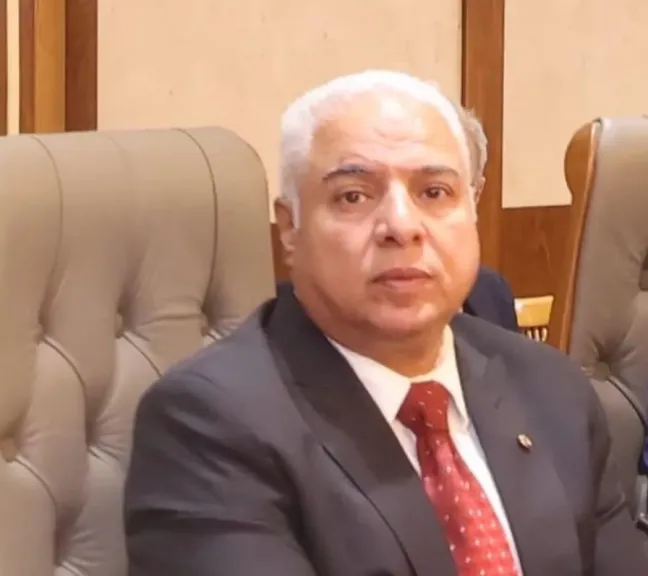
Alaa Nasr El-Din, First Vice Chairman of the Wood and Furniture Chamber at the Federation of Egyptian Industries (FEI), has stated that establishing an "Egyptian Furniture Identity" is a critical step in elevating the sector's global competitiveness. The national initiative aims to pivot the industry from price-driven competition to a model anchored in design, quality, innovation, and value-added manufacturing, thereby creating a distinct and globally recognizable brand for Egyptian furniture to penetrate new export markets.
Strategic Implementation and Design Philosophy
To realize the sector's export potential and build robust commercial brands, the initiative focuses on structurally integrating design and manufacturing:
Industry-Design Synergy: The initiative will serve as a direct bridge linking universities, art and design faculties, and innovation centers with local factories. This integration ensures that young design talent is utilized to transform conceptual ideas into scalable, commercially viable products tailored to factory capabilities and available raw materials.
Contemporary Heritage: The design philosophy advocates for embedding traditional Egyptian crafts and heritage elements into modern aesthetics. By avoiding rigidly traditional patterns, the sector can deliver contemporary products that appeal to diverse international tastes while maintaining a unique local signature.
Brand Value Over Cost: Developing a recognizable visual identity allows companies to market their products based on inherent value and design rather than competing solely on low production costs, ultimately improving profit margins and supporting export expansion.
Ecosystem Requirements for Success
Nasr El-Din outlined several operational and regulatory prerequisites required to successfully institutionalize the Egyptian Furniture Identity:
Standardization: Establishing clear, unified criteria for visual identity, design integrity, and manufacturing quality.
Intellectual Property (IP): Implementing robust legal frameworks to protect the intellectual property rights of local designers.
Prototyping Mechanisms: Providing dedicated facilities and processes for testing designs and developing physical prototypes prior to mass commercial production.
Unified National Vision: Fostering a cohesive national strategy that aligns manufacturing, design, marketing, and export operations. This alignment will deepen local industrialization and transition the furniture sector into a knowledge-, design-, and innovation-based economy.