
Vodafone Egypt Brings AI Directly to Network Sites With Ericsson’s Latest RAN Processor
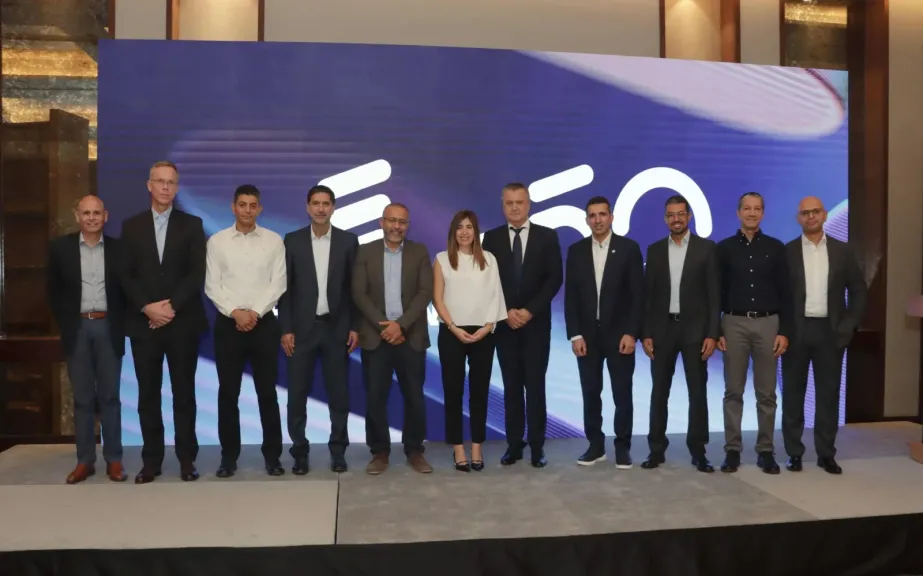
Vodafone Egypt has commercially deployed Ericsson’s latest RAN Processor 6672, bringing artificial intelligence processing directly into parts of its radio access network as the operator moves toward a network capable of responding to changing traffic conditions in real time.
The deployment represents more than a conventional capacity upgrade. By moving AI workloads closer to the radio equipment, Vodafone Egypt can process network conditions at the site itself rather than relying entirely on remote systems and periodic manual optimization by engineers.
The technology is designed to support both 5G and AI workloads, giving Vodafone Egypt additional computing capacity as mobile data consumption increases and network traffic becomes more dynamic.
Egypt is also among the early markets to commercially adopt the RAN Processor 6672 following its recent commercial introduction in Japan.
AI moves closer to the mobile user
Mobile networks constantly change as customers move between locations, gather in high-traffic areas and use different services throughout the day.
Traditionally, network optimization has relied heavily on configurations and adjustments made periodically by engineering teams. Running AI closer to the radio network creates an opportunity for those systems to react more quickly as traffic patterns change.
The RAN Processor 6672 is part of the Ericsson RAN Compute portfolio and is designed to provide the computing resources required for increasingly software- and AI-driven radio networks.
For Vodafone Egypt, that means AI can eventually become part of how the network itself is operated rather than simply a tool used away from the network to analyze its performance.
Four times the capacity with more than 50% lower energy consumption
The hardware upgrade also addresses one of the biggest challenges facing telecom operators as data traffic grows: increasing network capacity without allowing energy consumption and site complexity to rise at the same pace.
According to Ericsson, the RAN Processor 6672 provides four times the processing capacity while consuming more than 50% less energy than its previous-generation Baseband equipment.
Vodafone Egypt can also replace three Baseband units with a single RAN processor at applicable sites, reducing the amount of equipment required and simplifying network operations.
The additional computing capacity can help the network make better use of existing spectrum and infrastructure, directing capacity toward locations where customers need it rather than relying solely on adding more physical equipment.
Building a network ready for AI-driven operations
Catalin Buliga, Vice President of Technology at Vodafone Egypt, said the operator is investing in building a network designed for future requirements.
“With Ericsson’s RAN 6672 processor, we are improving processing and energy efficiency across our Ericsson-powered network sites, while enabling AI technology to run directly at the network site, helping us deliver a better experience for customers,” Buliga said.
The deployment is therefore as much about preparing the network’s computing architecture for future software capabilities as it is about improving current performance.
As telecom networks become increasingly automated, processing power at the radio layer will determine how extensively operators can deploy AI-based optimization and other intelligent network functions.
Ericsson sees capacity and efficiency gains
Dalia Meraab, Head of Ericsson Egypt and Head of Sales, said the processor will allow Vodafone Egypt to address growing capacity requirements while simplifying radio-site operations and improving energy efficiency.
She said the deployment also creates a foundation for further network evolution and the introduction of additional capabilities as data traffic and network requirements continue to grow.
Ericsson is one of Vodafone Egypt’s main RAN technology suppliers across Greater Cairo and the Nile Delta, and the companies plan to continue working together on the operator’s network modernization.
For Vodafone Egypt, the deployment marks a shift in how AI enters telecom infrastructure. Instead of using artificial intelligence only to analyze network data after it has been collected, the next stage is to put the computing power required for AI closer to where network traffic is actually generated — at the radio site itself.