
Ericsson and Vodafone Egypt Deploy AI-Powered RAN Processor 6672 to Boost 5G Capacity and Energy Efficiency
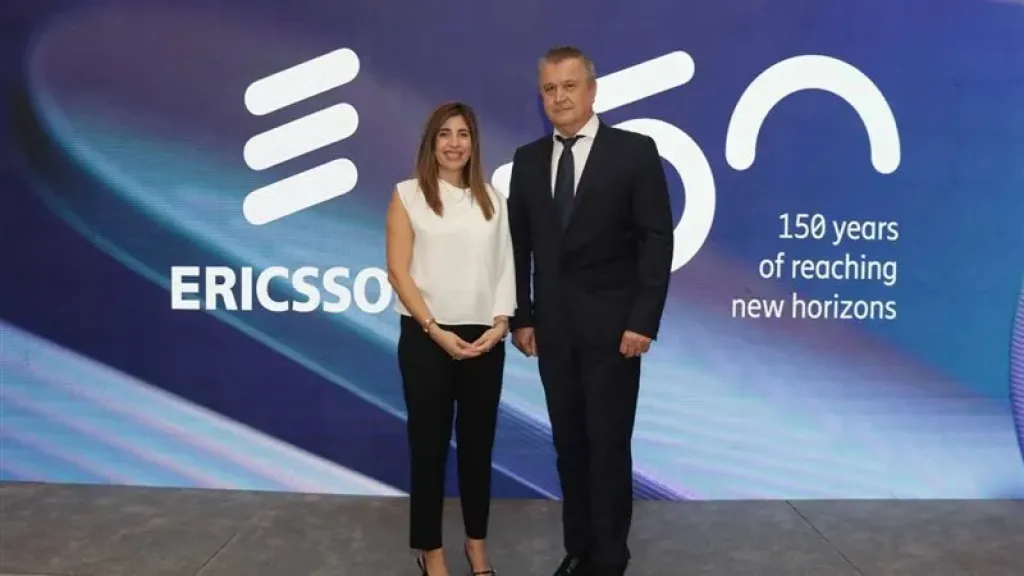
Ericsson and Vodafone Egypt have announced the commercial deployment of Ericsson’s latest high-capacity, AI-powered RAN Processor 6672, a flagship component of the Ericsson RAN Compute portfolio. The deployment forms a core milestone in Vodafone Egypt's ongoing modernization of its Radio Access Network (RAN). Following the processor's recent commercial debut in Japan, Egypt emerges among the first global markets to roll out the technology, underscoring the operator's proactive investment strategy to address surging mobile data traffic.
On-Site Edge AI Processing
The RAN Processor 6672 is engineered specifically to process advanced 5G workloads alongside native artificial intelligence algorithms directly at the cell site, fundamentally changing real-time network optimization:
Localized Execution: By processing AI directly on-site rather than offloading computations to remote cloud centers, the network can analyze operating conditions and user density changes instantaneously.
Real-Time Adaptation: As user traffic patterns shift dynamically throughout the day, the on-site AI responds instantaneously to demand surges and movement, replacing static, periodic manual parameter adjustments by network engineers.
Operational Efficiencies and Capacity Gains
The transition to the RAN Processor 6672 delivers substantial hardware and performance optimizations:
4x Capacity Increase: Delivers four times the operational capacity of Ericsson’s previous-generation baseband hardware.
Over 50% Power Reduction: Cuts energy consumption by more than half, directly supporting operational sustainability initiatives.
Hardware Consolidation: Allows Vodafone Egypt to streamline cell site architecture by replacing three legacy baseband units with a single RAN processor, drastically minimizing site footprint, operational complexity, and cooling requirements.
Spectrum Optimization: Directs radio capacity dynamically to where users congregate, extracting peak performance from existing spectrum allocations while elevating the user experience without escalating total power consumption.