
Chinese Electronics Investment in Egypt Could Reach $1 Billion as Cairo Pushes Deeper Into Semiconductor Manufacturing
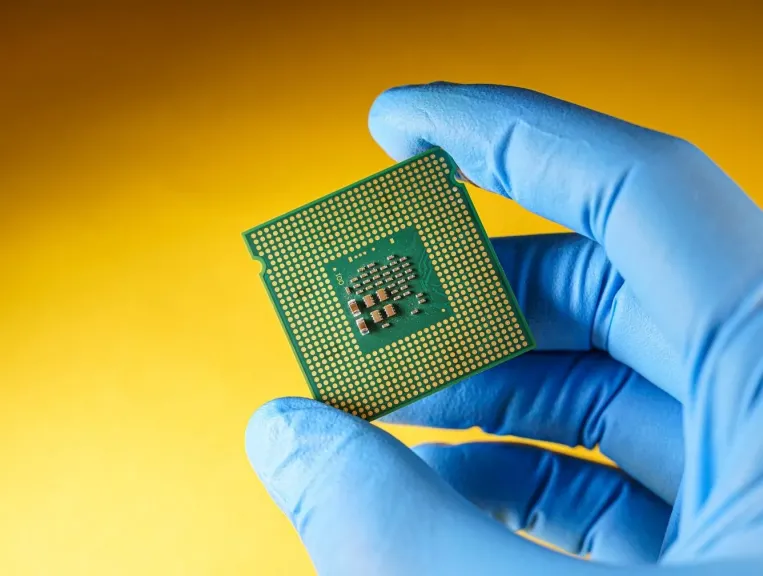
Chinese investment in Egypt’s electronics and semiconductor industries could reach between $500 million and $1 billion over the next three to five years, according to industry sources, if a recently signed cooperation agreement between Cairo and Beijing translates into manufacturing plants and technology development projects.
The estimate follows a memorandum of understanding signed during Chinese President Xi Jinping’s visit to Cairo in early September, which included cooperation in electronics manufacturing and semiconductor-related activities as part of a broader package of agreements between Egypt and China.
Industry sources said the potential investment would not necessarily arrive as a single project. Instead, it could be distributed across several areas, including electronics manufacturing, semiconductor-related production, chip design and engineering, research and development centers, and supporting industries.
Egypt wants more than electronics assembly
The significance of the potential Chinese investment lies in the type of manufacturing Egypt is trying to attract.
Egypt has spent recent years expanding local production of smartphones, tablets and other electronic devices, but its longer-term strategy increasingly focuses on moving further up the technology value chain.
Semiconductors represent a substantially more complex industry than conventional electronics assembly, requiring specialized engineering talent, advanced infrastructure, reliable energy and water supplies, global supply-chain integration and significant capital.
For Egypt, that means the immediate opportunity is not necessarily to compete directly with the world’s largest advanced chip fabrication hubs.
Instead, areas such as chip design, testing, packaging, embedded electronics and selected semiconductor components could provide more accessible entry points into the global industry while building the skills and supplier ecosystem needed for more advanced manufacturing later.
China could accelerate Egypt’s electronics localization drive
China is already one of the world’s largest electronics manufacturing centers and has invested heavily in developing its domestic semiconductor industry.
Closer industrial cooperation could therefore give Egypt access not only to capital, but also to manufacturing expertise, supplier networks and technology transfer.
For Chinese companies, Egypt offers another proposition: a manufacturing base positioned between Africa, the Middle East and Europe, with trade agreements that can potentially support exports beyond the domestic market.
That could make the economics of a project different from simply building factories to supply Egyptian consumers.
$1 billion depends on projects moving beyond agreements
The $500 million-to-$1 billion figure remains an industry estimate rather than a formally announced investment commitment.
Reaching that level will depend on whether the memorandum of understanding produces individual investment agreements, factory locations, financing structures and construction timetables over the next three to five years.
The distinction is important. Technology cooperation agreements can establish a framework for investment, but semiconductor projects in particular require lengthy technical and commercial preparation before capital is deployed.
The next indicators will therefore be the announcement of specific Chinese companies, investment values and production facilities.
If those projects materialize, the impact could extend beyond the headline investment figure. Building an electronics and semiconductor ecosystem would create demand for engineers, component suppliers, testing facilities, logistics and specialized technical services — gradually shifting Egypt’s technology industry from a market that primarily consumes and assembles electronics toward one that participates in designing and producing more of the technology inside them.