
FRA and UN Women Certify Female Facilitators to Drive Financial Inclusion in Rural Egypt
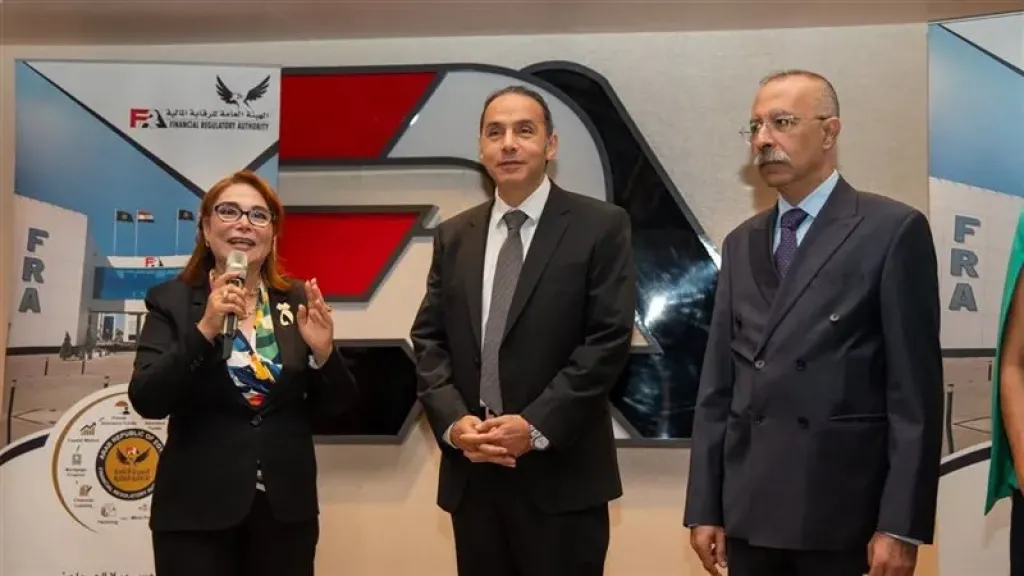
The Financial Regulatory Authority (FRA), headed by Dr. Islam Azzam, has concluded a specialized training program to certify a new cohort of female financial "facilitators." Organized in collaboration with UN Women, the initiative aims to build a network of qualified female cadres capable of educating women in rural communities about non-banking financial services (NBFS), thereby advancing national financial inclusion and economic empowerment goals.
The closing ceremony was attended by senior FRA leadership, alongside representatives from UN Women, the National Council for Women (NCW), and the National Council for Human Rights.
Strategic Objectives: Beyond Basic Access
FRA Chairman Dr. Islam Azzam emphasized that providing access to financial services is insufficient without comprehensive financial literacy. The program targets demographics that traditionally face barriers to financial information, focusing on:
Awareness & Rights: Educating beneficiaries not only on available products—such as microfinance and financial leasing—but also on their consumer rights and contractual obligations.
Tailored Decision-Making: Empowering rural women to evaluate various financing, insurance, and investment tools to select options that best suit their families' specific economic needs.
Training Framework and Methodology
Dr. Mohamed Abdel Aziz, Assistant to the FRA Chairman, detailed the program's pedagogical approach, which focused on translating complex financial jargon into accessible, localized language.
Simplifying Concepts: Facilitators were trained to break down financial mechanisms and directly link them to the daily lives and needs of targeted rural women.
Regulatory Guidance: A core component of the training involved instructing facilitators to guide beneficiaries exclusively toward officially licensed entities and formal channels, ensuring consumer protection.
Institutional Support and Participant Impact
Dr. Maha Marwan of the National Council for Women praised the initiative as a critical pillar for women's economic independence, advocating for sustained inter-agency collaboration to scale these capacity-building efforts.
Upon completing the program, the newly certified facilitators reported a significant shift in their own financial perspectives. Participants noted that the training transformed their approach to money management—moving from a traditional focus on mere saving to a broader understanding of active investment and efficient capital utilization, which they will now disseminate within their local communities.