
BRICS Explores CBDC and National Payment System Connectivity
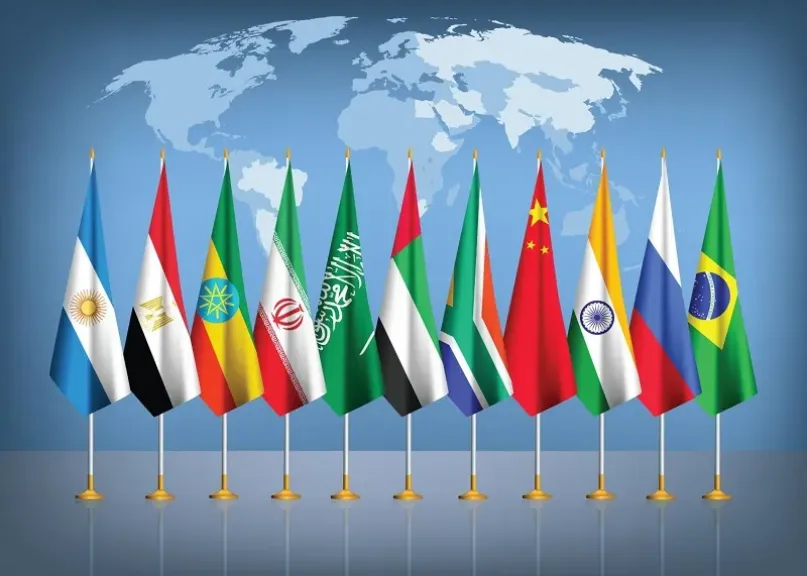
BRICS countries are exploring ways to connect central bank digital currencies (CBDCs) and national payment systems to strengthen cross-border payments and settlements, potentially lowering costs and speeding up digital transactions.
CBDC Connectivity Could Lower Cross-Border Payment Costs
The discussions are focused on making CBDC systems interoperable across BRICS economies, potentially enabling selected commercial and financial transactions to be processed and settled digitally across borders.
Greater connectivity could reduce the number of intermediaries involved in international transactions, helping lower payment costs while shortening settlement times.
BRICS members are also examining stronger links between instant payment systems to facilitate faster digital transfers for individuals and businesses.
The work is being examined through the BRICS Payments Task Force, which is assessing ways to improve interoperability between national payment systems and develop more accessible mechanisms for cross-border payments.
Existing Payment Networks Could Support Integration
BRICS countries already operate large-scale digital payment networks that could provide a foundation for deeper cross-border connectivity.
India’s UPI and Brazil’s Pix are among the most prominent examples, alongside instant payment infrastructure operated by other member countries.
India’s experience connecting UPI with Singapore’s PayNow offers a practical example of linking domestic payment systems internationally. The arrangement supports faster cross-border transfers and could provide lessons for developing broader payment connections among BRICS economies.
Technical and Regulatory Challenges Remain
Connecting CBDCs and national payment systems across BRICS would require countries to address differences in technology, regulation and payment infrastructure.
Interoperable systems would require coordination among central banks, financial institutions and payment operators, including frameworks covering settlement procedures, currency conversion and risk management.
Cybersecurity, data protection and compliance with national regulations would also need to be addressed.
BRICS is therefore exploring a cross-border payments framework based on interoperability between existing national systems and potential CBDC connectivity. The technical and regulatory frameworks required to turn the initiative into operational cross-border payment services remain under development.