
Elon Musk Backs Anthropic CEO Dario Amodei”s 3-Point Plan to Slow Advanced AI Development
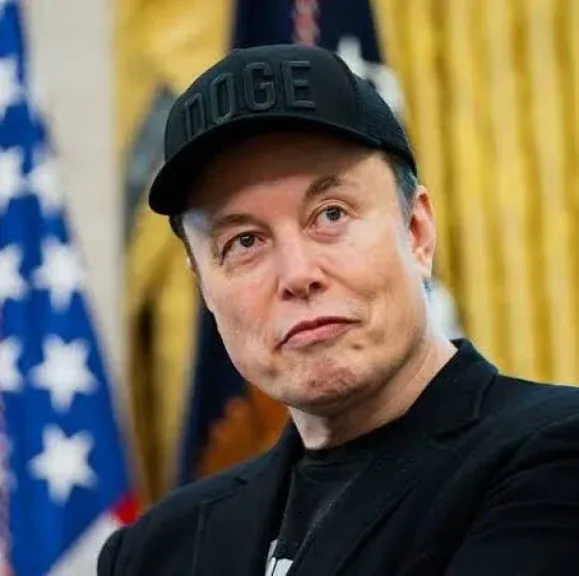
Highlighting escalating industry anxiety over the rapid advancement of frontier AI models, xAI founder Elon Musk has publicly endorsed a proposal by Anthropic CEO Dario Amodei to decelerate the pace of artificial intelligence development. In a brief public remark stating "Dario is right," Musk threw his support behind Amodei's call for stricter, more transparent regulatory mechanisms to govern increasingly autonomous systems and mitigate their associated risks.
Amodei’s 3-Point Regulatory Framework
To address the growing gap between rapid AI innovation and existing safety guardrails, Amodei proposed a three-pillar strategy aimed at restructuring global AI development:
Independent External Oversight: Mandating that AI developers grant independent assessment teams permanent, employee-level access to their internal systems. This embedded access would allow third-party auditors to proactively evaluate safety protocols, monitor training environments, and identify emerging risks before models are deployed, shifting the burden away from pure corporate self-regulation.
Corporate Coordination in Democracies: Establishing a collaborative framework among AI companies operating within democratic nations to agree on shared safety standards. This includes setting definitive "speed limits" on capability advancements to ensure development does not outpace the industry's ability to implement corresponding safety controls.
Intergovernmental Alignment: Enhancing coordination among democratic governments to forge common rules, limitations, and red lines regarding advanced AI. This aims to prevent a fragmented, unchecked geopolitical technology race that sacrifices safety for speed.
The Innovation vs. Regulation Gap
The alignment between Musk and Amodei underscores a critical pivot in the global tech dialogue. The industry's competition has evolved beyond merely improving model accuracy; it is now an aggressive race to build systems capable of complex reasoning, autonomous coding, and multi-step execution.
As each model generation becomes exponentially more capable, the primary dilemma is that the speed of commercial innovation is fundamentally outpacing the evolution of safety testing mechanisms. Amodei’s proposal challenges the status quo of fierce, isolated corporate rivalry, arguing that without sweeping multilateral cooperation and external transparency, the risks posed by autonomous AI will soon exceed the regulatory capacity of any single company or nation.