
Minister of Housing Reviews Progress of Mega Projects and Urban Services in Egypt”s New Capital
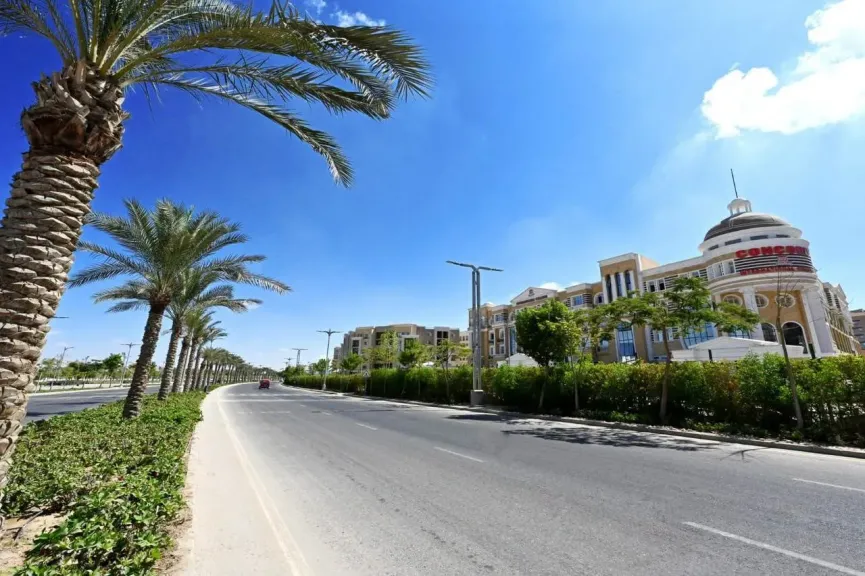
Eng. Randa El-Menshawy, Egypt's Minister of Housing, Utilities, and Urban Communities, reviewed the executive progress of ongoing projects and urban services in the New Administrative Capital (NAC). The comprehensive review focused on infrastructure upgrades in residential neighborhoods, ensuring timely execution, and elevating the quality of services provided to citizens.
Wastewater Treatment and Sustainable Infrastructure
The Minister received a detailed report from Eng. Marwa Hussein, Head of the New Capital Authority, highlighting the progress of the NAC's wastewater treatment plant. The first phase of the facility operates with a design capacity of 250,000 cubic meters per day, utilizing advanced tertiary treatment. The treated water will be repurposed to irrigate green spaces across the capital and neighboring cities, aligning with the state’s strategy for sustainable water management, resource conservation, and environmental enhancement.
Landscaping and Residential Developments
The report also outlined extensive landscaping efforts, including expanding green areas, planting trees, and upgrading central islands along main roads and residential districts to enhance the city’s aesthetic appeal.
Furthermore, Minister El-Menshawy monitored the ongoing efficiency upgrades in blocks D2, D3, and D7 of the Third Residential District (R3) in preparation for unit handovers. She also reviewed the progress in zone Z-09 of the Fifth Residential District (R5), known as "New Garden City." The Minister issued strict directives to accelerate implementation rates, increase the deployment of workforce and equipment, and strictly adhere to delivery schedules to ensure units are handed over to clients on time.
Community Engagement and Service Enhancements
Underscoring the importance of community communication, the Head of the New Capital Authority held a meeting with residents and representatives of the R3 district (zones D1, D2, D7, and D8) to address their immediate needs.
Discussions covered several key urban and security files, including the construction of a perimeter fence for the district, the activation of surveillance camera systems, and tightening regulatory control over local commercial activities. The meeting also addressed proposals to enhance the public transportation network ahead of the new school year and stressed the urgency of completing essential community facilities, including the health office, nurseries, and the medical center, to provide a fully integrated and sustainable living environment.