
Saudi Arabia Bets on the Data Economy: New Municipal Regulations for Commercial Data Centers
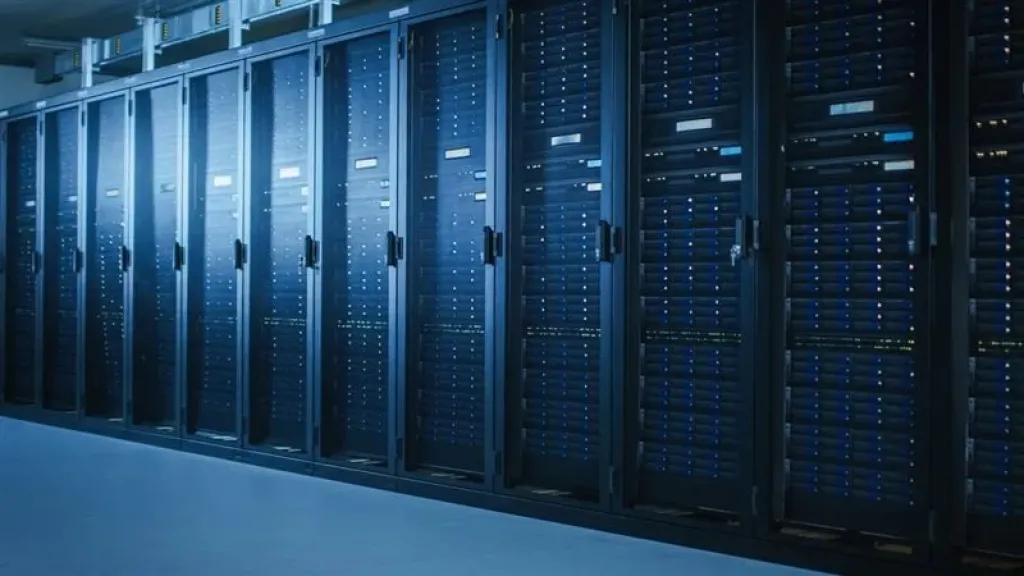
Saudi Arabia Bets on the Data Economy: New Municipal Regulations for Commercial Data Centers
As data becomes one of the most vital assets in the digital economy and global investments in artificial intelligence (AI) and cloud computing soar, Saudi Arabia has taken a new step to regulate the infrastructure behind this transformation by adopting new municipal requirements for the construction and operation of commercial data centers across the Kingdom.
The new rules aim to establish a unified regulatory framework governing independent commercial data centers, covering the phases of site selection, design, construction, and operation. This is in addition to outlining the necessary technical, service, and security requirements to ensure the efficiency and operational continuity of these facilities.
The requirements apply to data centers located both inside and outside urban boundaries, setting specific controls for site selection and the provision of basic essential services, primarily electricity, telecommunications, and transportation. They also mandate compliance with guidelines related to parking, building setbacks, heights, landscaping, and other conditions specified by competent authorities.
A Unified Framework for Investors
The new regulations seek to standardize the requirements for establishing and operating data centers across various regions of the Kingdom. This provides investors with greater clarity regarding the procedures and standards required to execute projects, and helps streamline the planning, development, and operational phases.
Obtaining a license requires the approval of the Civil Defense prior to issuance, along with submitting a valid commercial register that includes the specific activity to be licensed, and securing the approval of the activity's supervisory authority.
Furthermore, the processes of issuing, renewing, amending, suspending, and canceling licenses are subject to the regulations governing municipal licensing procedures in the Kingdom.
Electricity, Cooling, and Backup Power
The new requirements mandate data centers to comply with the Saudi Building Code, assigning design and implementation supervision to certified engineering offices.
The technical requirements encompass specific standards for construction, design, and fire protection, alongside cooling systems, electrical power, and backup power systems, tailored to the operational nature of data centers and their need for continuous, uninterrupted operation.
These requirements are of particular importance, given that any outage in data centers could impact the critical digital services relied upon by government institutions, corporations, banks, and cloud and telecommunications service providers.
Security and Surveillance
The stipulations are not limited to engineering aspects; they also include requirements related to security, surveillance, periodic maintenance, and waste management. Additionally, they establish controls for facades, lighting, flooring, ceilings, and accessibility for persons with disabilities.
The rules also feature specific guidelines for commercial signage, taking into account the nature of data centers and the associated considerations of confidentiality, security, and the sensitivity of these facility locations.
This reflects a shift towards treating data centers as a vital part of critical digital infrastructure, rather than merely traditional technological facilities.
Saudi Arabia Bets on the Data Economy
This move comes at a time when the importance of data centers is growing alongside the expansion of the digital economy, the rising demand for cloud services, and data storage and processing, coupled with the rapid growth of AI applications.
Modern AI systems require massive computing, storage, and power capabilities, making the availability of advanced and reliable data centers a fundamental element in a country's ability to attract digital investments and develop technological services.
Through this new regulatory framework, Saudi Arabia aims to provide a clearer environment for investors looking to establish, develop, and operate data centers, while also raising the quality and reliability of these facilities, and supporting the growth of telecommunications, internet, and cloud computing services.
The new rules are also expected to enhance the Kingdom's capacity to attract additional investments in digital infrastructure, especially amid intensifying regional competition over data centers, cloud services, and AI technologies.
The adoption of these new requirements represents a further step toward building a more organized and reliable digital infrastructure in Saudi Arabia, supporting the continuity of government and commercial services, and boosting the Kingdom's readiness to handle the surging demand for data, computing, and AI.
In the new digital economy, data centers are no longer just facilities that store information; they have become an essential component of the infrastructure upon which the economies of the future are built.