
KEPCO Proposes $18B Advance Electricity Payment from Samsung and SK Hynix to Fund Power Grid Expansion
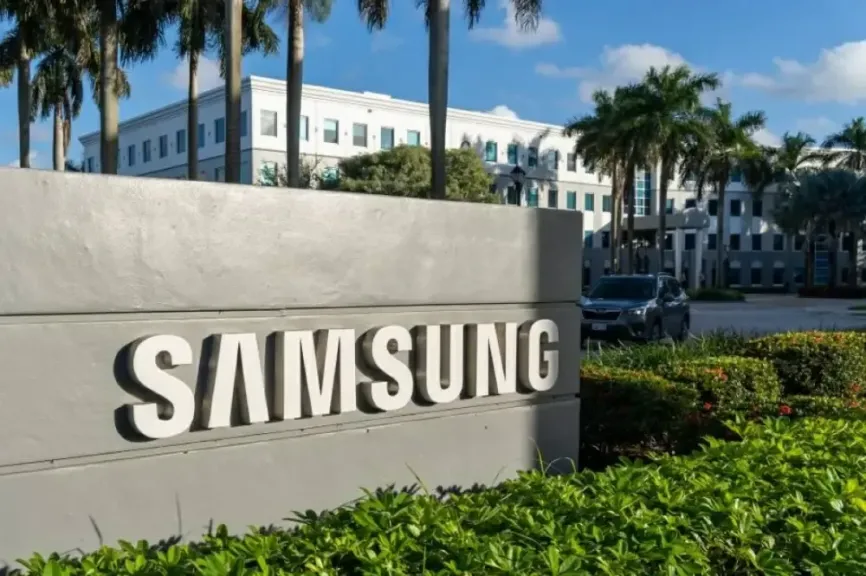
State-run utility Korea Electric Power Corporation (KEPCO) has proposed that semiconductor giants Samsung Electronics and SK Hynix pay roughly 25 trillion won ($18 billion) upfront for electricity supplies through 2031, aiming to fund critical power grid expansions required for upcoming chip mega-clusters and artificial intelligence data centers.
According to an internal KEPCO document reported by South Korean newspaper Chosun Ilbo, the capital deployment proposal outlines advance commitments split between the two chipmakers:
CompanyProposed Advance PaymentCore Driver
Samsung Electronics~20 Trillion Won (~$14.4B)Powering planned mega-fabs and advanced packaging complexes
SK Hynix~5 Trillion Won (~$3.6B)Securing high-voltage power for memory and HBM expansion clusters
Total Target25 Trillion Won (~$18.0B)High-voltage transmission lines and substation infrastructure
KEPCO’s Capital Strategy and Financial Incentives
KEPCO confirmed that it has pitched the advance payment framework to major industrial consumers, including Samsung and SK Hynix, but noted that formal terms—including exact payment volumes, interest rates, and reimbursement schedules—have not yet been finalized.
Infrastructure Liquidity: The upfront capital would provide KEPCO with immediate liquidity to build out transmission lines and high-voltage substations, bypassing balance-sheet constraints while assuring chipmakers of dedicated power delivery once new fabrication plants open.
Yield Premium: According to the report, KEPCO plans to pay interest on the advanced funds at a rate exceeding the yield on two-year South Korean government bonds, providing a financial incentive for the chipmakers' balance sheets.
The initiative highlights South Korea’s mounting challenge of aligning aggressive semiconductor and AI industrial strategies with real-world energy distribution capacity. Accelerating energy infrastructure financing has emerged as a cornerstone in securing the nation's technological sovereignty and global semiconductor leadership.