
Chinese E-Commerce Shifts from Food Delivery Price Wars to $178B ”Instant Retail” Market
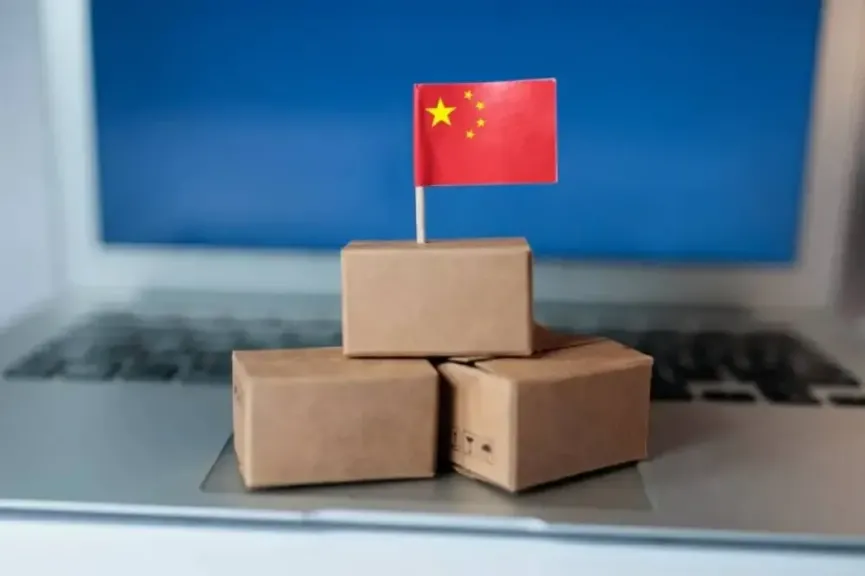
China's e-commerce sector is entering a new phase as the fierce subsidy wars ignited by food delivery platforms subside, making way for "instant retail" as the next major competitive battleground. Leading tech giants like Meituan, Alibaba, and JD.com are pivoting from heavily discounted meal deliveries to offering under-an-hour delivery for a wide array of non-food merchandise.
From Meals to the "Everything" Market
Instant delivery services in major Chinese cities have rapidly expanded beyond food and beverages. Consumers can now order electronics, cosmetics, flowers, and pharmaceuticals and receive them within 60 minutes. Analysts note this strategic shift is designed to convert high-frequency food delivery users into buyers of higher-margin retail goods.
Market Projections & Consumer Shifts
According to research data from China's Ministry of Commerce, the instant retail sector is poised for massive expansion:
Market Valuation: Projected to reach 1.2 trillion yuan ($178 billion) by the end of 2026.
Growth Rate: Expected to maintain an average annual growth rate of 12.6% through 2030.
Behavioral Shift: Urban consumers are abandoning traditional e-commerce models that rely on longer shipping times, increasingly expecting on-demand gratification for immediate, everyday needs.
Shao Hui Chen, CFO of Meituan, stated that quick commerce has fundamentally reshaped consumer expectations regarding convenience and reliability, cementing this lifestyle shift in major urban centers.
The End of the Subsidy Era
While consumers initially benefited from billions of yuan spent on vouchers and free deliveries, the aggressive price wars severely squeezed technology firms, merchants, and delivery workers.
Margin Erosion: The intense competition briefly pushed Meituan into losses, eroded Alibaba's profitability, and nearly wiped out JD.com's earnings.
Merchant Impact: Businesses like Luckin Coffee reported year-over-year store sales drops during the April-June period, directly attributing the decline to the artificially high food delivery subsidies offered during the same period last year.
Regulatory Intervention: To protect merchants, gig workers, and consumers, Chinese regulators repeatedly intervened. In April, authorities imposed combined fines of 3.6 billion yuan on seven e-commerce platforms, including Meituan, over operational and safety violations.
As the sector matures, the focus for China's tech giants is moving away from acquiring users through unsustainable discounts toward proving long-term profitability and operational efficiency in the instant retail arena.